THE ADVENTURE COLLECTIVE® · Independent discovery and booking for outdoor travel

Spend a private day tasting Pinotage across Stellenbosch’s famed estates—historic cellars, modern artful wineries, and a gourmet lunch on a nine-hour tour. Perfect for wine lovers who want context with every pour.
Spend a private day tasting Pinotage across Stellenbosch’s famed estates—historic cellars, modern artful wineries, and a gourmet lunch on a nine-hour tour. Perfect for wine lovers who want context with every pour.
A late-afternoon sun slides across rows of vines as the air cools over the Bottelary Hills; a private vehicle eases onto a gravel drive and the day’s tasting begins. Guests move between historic cellars and modern tasting lounges—each stop a study in terroir and technique—while a guide threads winemaking stories into the landscape.
Verified experiences and guided adventures in the surrounding area.
Operated by Along The Shaw Tours and Transfers · Stellenbosch, Western Cape
A late-afternoon sun slides across rows of vines as the air cools over the Bottelary Hills; a private vehicle eases onto a gravel drive and the day’s tasting begins. Guests move between historic cellars and modern tasting lounges—each stop a study in terroir and technique—while a guide threads winemaking stories into the landscape.
Pinotage, South Africa’s signature grape, was created in 1925 as a cross between Pinot Noir and Cinsaut and has become a flagship of Stellenbosch and its neighboring estates. The region sits at the eastern edge of the Cape Fold Belt; soils here vary from granite to shale-derived loams and, combined with a Mediterranean climate, help produce bold, fruit-forward reds and nuanced single-vineyard expressions. Cultural notes: Stellenbosch town dates to the 17th century and is rich in Cape Dutch architecture, university life, and a growing contemporary-food scene.
Practically, expect a nine-hour private tour with door-to-door transport in an air-conditioned vehicle, multiple 45–75 minute guided tastings, a cellar visit, and a sit-down lunch. Walking is light—short vineyard paths, cellar steps, and paved tasting terraces—so mobility-friendly options are common, though some estates have stairs. Pace your tastings: hydrate between pours, use sunscreen and a hat for open terraces, and plan for golden-hour views on higher-elevation estates like Tokara. Not recommended for pregnant travelers or those with serious cardiovascular issues. For first-time Pinotage drinkers, ask hosts about oak aging, single-vineyard bottlings, and food pairings to turn a day of sipping into a clear primer on South African wine.
easy.
9 hours.
Suitable for most travelers; minimal walking with short, gentle slopes and cellar steps
This private tour runs about nine hours and typically includes three to four estate visits, a cellar tour, and a sit-down lunch.
Yes—private, air-conditioned transportation is included; pickup and drop-off points can be arranged in Cape Town or Stellenbosch depending on booking details.
Most estates are accessible with some ramps and terrace seating, but there may be cellar steps; notify the operator ahead to ensure accessible options at each stop.
Yes—most estates sell bottles at the cellar door and offer local shipping or courier services; bring ID and check customs rules for international transport.
Stellenbosch was established in 1679 and evolved into South Africa’s premier wine-producing region; Pinotage was first bred in 1925 and remains a national signature.
Many estates practice sustainable viticulture—look for organic or low-intervention producers and ask about water-use and biodiversity programs during your visit.
Along The Shaw Tours and Transfers operates guided outdoor trips and adventures with an emphasis on safety, stewardship, and memorable experiences.
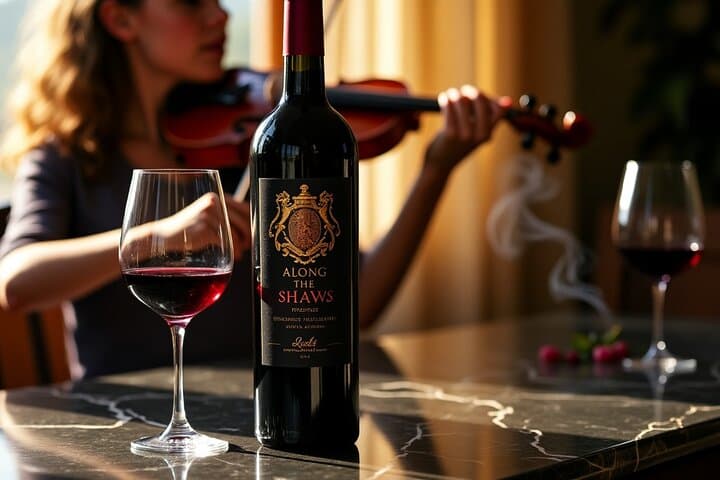
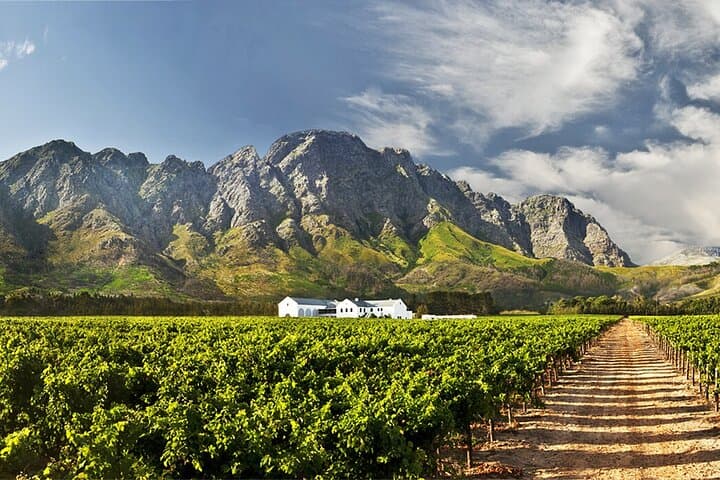
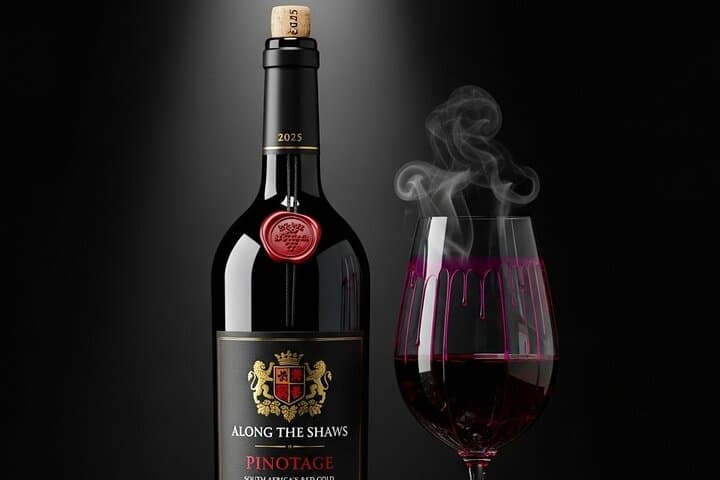
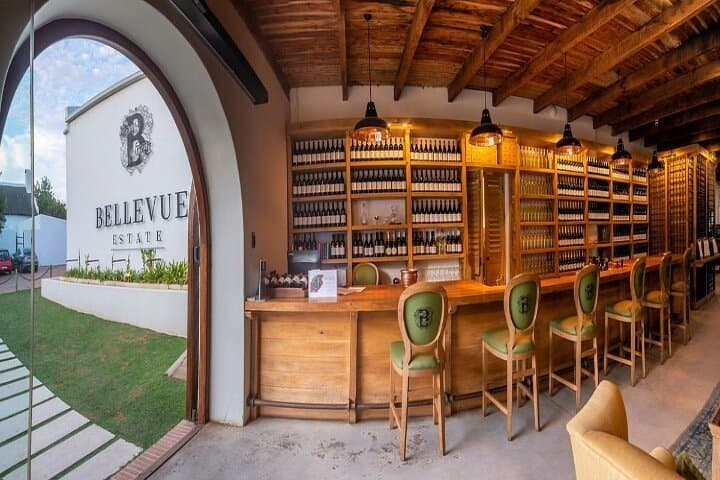
A late-afternoon sun slides across rows of vines as the air cools over the Bottelary Hills; a private vehicle eases onto a gravel drive and the day’s tasting begins. Guests move between historic cellars and modern tasting lounges—each stop a study in terroir and technique—while a guide threads winemaking stories into the landscape.
A late-afternoon sun slides across rows of vines as the air cools over the Bottelary Hills; a private vehicle eases onto a gravel drive and the day’s tasting begins. Guests move between historic cellars and modern tasting lounges—each stop a study in terroir and technique—while a guide threads winemaking stories into the landscape.
Pinotage, South Africa’s signature grape, was created in 1925 as a cross between Pinot Noir and Cinsaut and has become a flagship of Stellenbosch and its neighboring estates. The region sits at the eastern edge of the Cape Fold Belt; soils here vary from granite to shale-derived loams and, combined with a Mediterranean climate, help produce bold, fruit-forward reds and nuanced single-vineyard expressions. Cultural notes: Stellenbosch town dates to the 17th century and is rich in Cape Dutch architecture, university life, and a growing contemporary-food scene.
Practically, expect a nine-hour private tour with door-to-door transport in an air-conditioned vehicle, multiple 45–75 minute guided tastings, a cellar visit, and a sit-down lunch. Walking is light—short vineyard paths, cellar steps, and paved tasting terraces—so mobility-friendly options are common, though some estates have stairs. Pace your tastings: hydrate between pours, use sunscreen and a hat for open terraces, and plan for golden-hour views on higher-elevation estates like Tokara. Not recommended for pregnant travelers or those with serious cardiovascular issues. For first-time Pinotage drinkers, ask hosts about oak aging, single-vineyard bottlings, and food pairings to turn a day of sipping into a clear primer on South African wine.