THE ADVENTURE COLLECTIVE® · Independent discovery and booking for outdoor travel

Trace Cape Town’s colonial layers on a private guided walk from the Iziko museums to the Castle of Good Hope. This 2–3 hour tour combines architectural detail, museum context, and local stories for a clear, paced introduction to the Old Town.
Trace Cape Town’s colonial layers on a private guided walk from the Iziko museums to the Castle of Good Hope. This 2–3 hour tour combines architectural detail, museum context, and local stories for a clear, paced introduction to the Old Town.
A morning in Cape Town’s Old Town begins where city stone meets sea breeze — the guide gathers on Orange Street, the air carrying gulls’ calls and the distant shape of Table Mountain watching the harbor. Footsteps move from the Iziko South African Museum past gallery façades, through narrow lanes where courtyards and colonial brickwork keep their stories close. The Castle of Good Hope looms with its angled bastions; nearby, the Slave Lodge and District Six Museum pull history into view.
Verified experiences and guided adventures in the surrounding area.
Operated by New York City Tours · Cape Town, Western Cape
A morning in Cape Town’s Old Town begins where city stone meets sea breeze — the guide gathers on Orange Street, the air carrying gulls’ calls and the distant shape of Table Mountain watching the harbor. Footsteps move from the Iziko South African Museum past gallery façades, through narrow lanes where courtyards and colonial brickwork keep their stories close. The Castle of Good Hope looms with its angled bastions; nearby, the Slave Lodge and District Six Museum pull history into view.
This compact urban route threads centuries: the Cape as a maritime resupply point, the imposition of colonial fortifications, the human cost of the slave trade, and the 20th‑century ruptures of forced removals in District Six. Geology surfaces in the buried Original Shoreline — a reminder that modern streets overlay older coasts — while civic spaces and churches trace waves of religious and cultural diversity.
Expect a guided pace that balances stops for architectural detail, museum context, and the occasional café pause. The guide will point out hidden courtyards, signage marking the old shoreline, and local legends that keep the neighbourhood lively. Practicalities: wear supportive shoes for uneven cobbles and steps, bring water and weather layers (Cape Town weather shifts fast), and allow 2–3 hours for the full experience. The tour is wheelchair accessible in many sections, but check specific stops in advance.
This is a walking tour grounded in place and people — an efficient way to read the city’s past, ask questions, and leave with clear next steps for museums, dining, or further exploration.
moderate.
2–3 hours.
Suitable for most travelers who can walk 2–3 hours with short standing stops; expect some stairs and uneven ground.
Meet in front of The Capital 15 On Orange Hotel & Spa on Orange Street in Cape Town CBD; do not enter the hotel — the guide waits outside at the arranged time.
Admissions are generally not included; the guide provides commentary and can advise which sites to enter separately during or after the tour.
Many sections and surfaces are wheelchair accessible but some stops include steps or uneven historic surfaces — notify the operator when booking for specific accommodations.
Yes — private guides adapt routes and focus areas (e.g., Jewish Museum, St Mary’s Cathedral, original shoreline) depending on the 2‑ or 3‑hour option and guest interests.
The Old Town grew around the Cape as a Dutch and later British resupply hub; the Castle of Good Hope (17th century) and Slave Lodge record colonial power structures while District Six reflects apartheid-era forced removals.
Local museums and heritage groups focus on preserving both built fabric and oral histories; visitors should follow signage, avoid touching artifacts, and consider local museum donations or guided tours to support conservation.
New York City Tours operates guided outdoor trips and adventures with an emphasis on safety, stewardship, and memorable experiences.
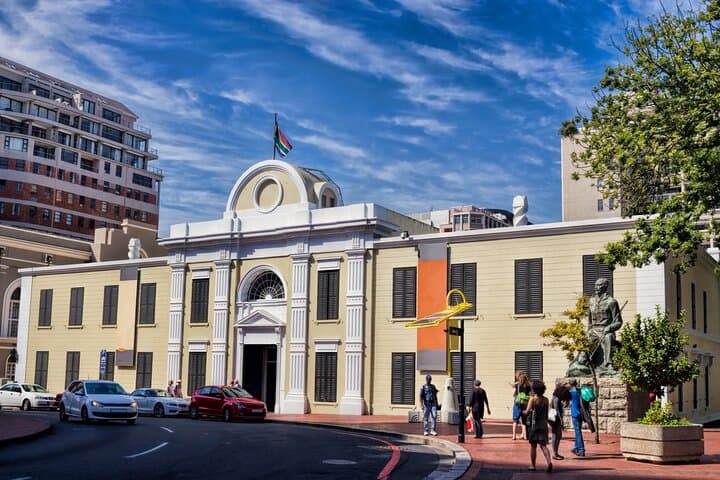
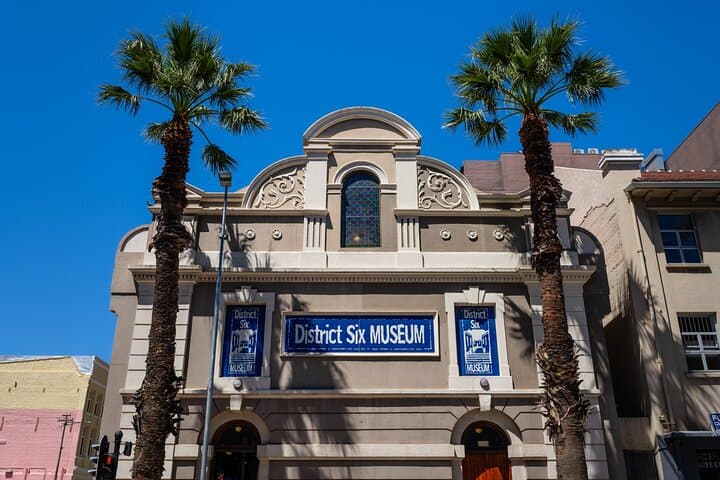
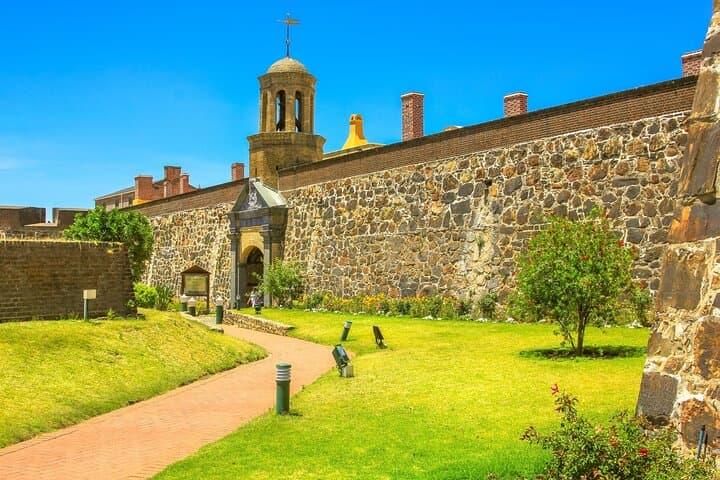
A morning in Cape Town’s Old Town begins where city stone meets sea breeze — the guide gathers on Orange Street, the air carrying gulls’ calls and the distant shape of Table Mountain watching the harbor. Footsteps move from the Iziko South African Museum past gallery façades, through narrow lanes where courtyards and colonial brickwork keep their stories close. The Castle of Good Hope looms with its angled bastions; nearby, the Slave Lodge and District Six Museum pull history into view.
A morning in Cape Town’s Old Town begins where city stone meets sea breeze — the guide gathers on Orange Street, the air carrying gulls’ calls and the distant shape of Table Mountain watching the harbor. Footsteps move from the Iziko South African Museum past gallery façades, through narrow lanes where courtyards and colonial brickwork keep their stories close. The Castle of Good Hope looms with its angled bastions; nearby, the Slave Lodge and District Six Museum pull history into view.
This compact urban route threads centuries: the Cape as a maritime resupply point, the imposition of colonial fortifications, the human cost of the slave trade, and the 20th‑century ruptures of forced removals in District Six. Geology surfaces in the buried Original Shoreline — a reminder that modern streets overlay older coasts — while civic spaces and churches trace waves of religious and cultural diversity.
Expect a guided pace that balances stops for architectural detail, museum context, and the occasional café pause. The guide will point out hidden courtyards, signage marking the old shoreline, and local legends that keep the neighbourhood lively. Practicalities: wear supportive shoes for uneven cobbles and steps, bring water and weather layers (Cape Town weather shifts fast), and allow 2–3 hours for the full experience. The tour is wheelchair accessible in many sections, but check specific stops in advance.
This is a walking tour grounded in place and people — an efficient way to read the city’s past, ask questions, and leave with clear next steps for museums, dining, or further exploration.