THE ADVENTURE COLLECTIVE® · Independent discovery and booking for outdoor travel

Leave the tourist loop and explore Cape Town’s lesser-seen neighborhoods with a private local guide. This 2½-hour tour links District Six’s history with Woodstock’s creative revival—markets, pies, breweries and street art.
Leave the tourist loop and explore Cape Town’s lesser-seen neighborhoods with a private local guide. This 2½-hour tour links District Six’s history with Woodstock’s creative revival—markets, pies, breweries and street art.
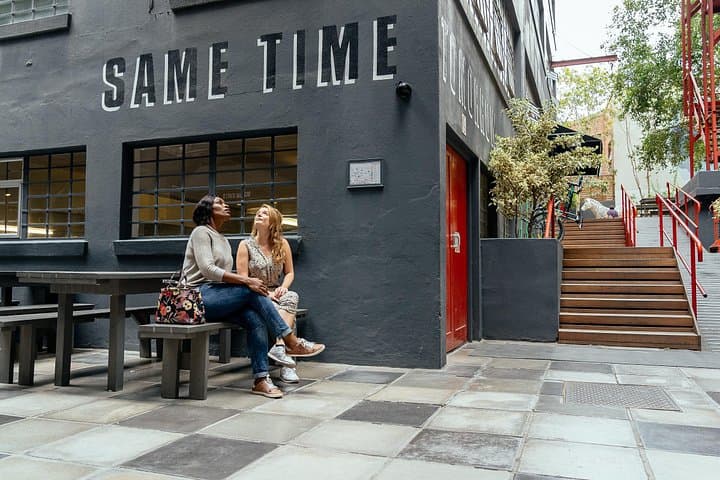
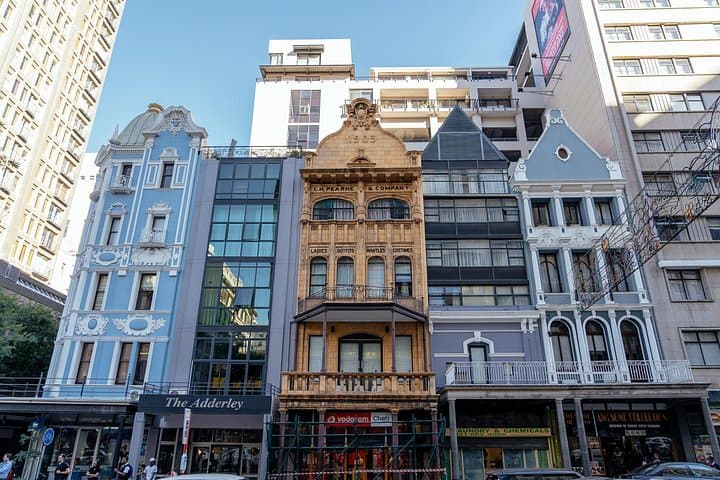
You step from the taxi into a stretch of Cape Town where graffiti argues with Victorian façades and the smell of baking mingles with brewing hops. The hum here is local—market stalls, a pie shop’s oven, and a guide who knows the back alleys better than most maps.
Verified experiences and guided adventures in the surrounding area.
Operated by Withlocals · Cape Town, Western Cape
You step from the taxi into a stretch of Cape Town where graffiti argues with Victorian façades and the smell of baking mingles with brewing hops. The hum here is local—market stalls, a pie shop’s oven, and a guide who knows the back alleys better than most maps.
This private 2½-hour walk-and-drive tour threads District Six’s difficult history with Woodstock’s industrial rebirth. District Six speaks to apartheid-era forced removals and community memory, while Woodstock—once warehouses and rail yards—has been reshaped into creative markets like the Old Biscuit Mill and small-batch breweries. Geologically Cape Town sits on ancient Table Mountain sandstone; this trip keeps you at street level, where red brick and corrugated iron tell the story of urban change more than geology does.
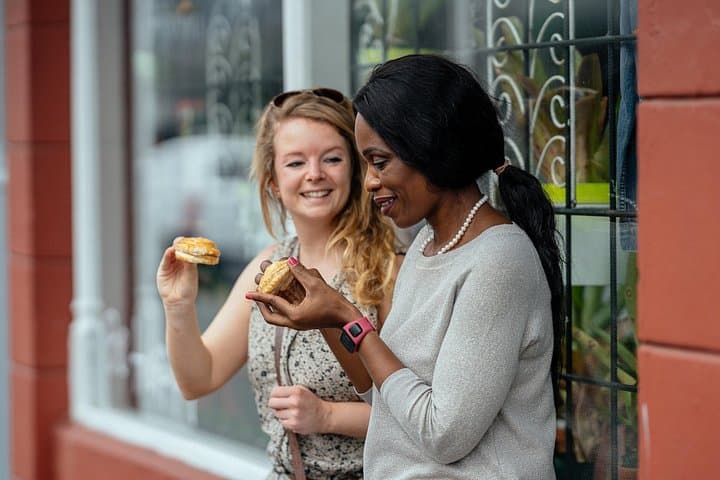
You’ll see the church that survived demolition, a hole-in-the-wall pie shop, boutique pop-ups, and the creative spill of street art. The guide connects cultural context to contemporary initiatives: small food producers, craft brewers and artisans who drive the neighborhood economy.
Practical guidance: wear sturdy walking shoes, bring local cash for market stalls, and book morning slots to catch the Old Biscuit Mill market if it’s running. The route is easy-paced and private transportation is included, but expect some short walks on uneven sidewalks and brief standing periods. Carry water, a light layer for wind off Table Mountain, and an open mind—this is less about monuments and more about meeting a city that’s changed its own script.
easy.
2–3 hours.
Suitable for most fitness levels; involves short walks and some standing.
Yes—this private tour includes local transportation between stops, plus door-to-door pickup if arranged in advance.
Yes—the pace is easy and suitable for families and older travelers, though expect short walks and some standing.
No admissions are required for the itinerary; most stops are outdoor streets, markets and small businesses.
Guides can recommend and escort you to vendors that meet dietary needs, but bring specifics when booking so they can plan options.
District Six was a multicultural neighborhood forcibly emptied during apartheid; Woodstock evolved from industrial rail yards into a creative district anchored by the Old Biscuit Mill market.
The tour is carbon-neutral and emphasizes patronizing local producers to support small businesses and reduce over-tourism pressure on central landmarks.
Withlocals operates guided outdoor trips and adventures with an emphasis on safety, stewardship, and memorable experiences.

You step from the taxi into a stretch of Cape Town where graffiti argues with Victorian façades and the smell of baking mingles with brewing hops. The hum here is local—market stalls, a pie shop’s oven, and a guide who knows the back alleys better than most maps.
You step from the taxi into a stretch of Cape Town where graffiti argues with Victorian façades and the smell of baking mingles with brewing hops. The hum here is local—market stalls, a pie shop’s oven, and a guide who knows the back alleys better than most maps.
This private 2½-hour walk-and-drive tour threads District Six’s difficult history with Woodstock’s industrial rebirth. District Six speaks to apartheid-era forced removals and community memory, while Woodstock—once warehouses and rail yards—has been reshaped into creative markets like the Old Biscuit Mill and small-batch breweries. Geologically Cape Town sits on ancient Table Mountain sandstone; this trip keeps you at street level, where red brick and corrugated iron tell the story of urban change more than geology does.
You’ll see the church that survived demolition, a hole-in-the-wall pie shop, boutique pop-ups, and the creative spill of street art. The guide connects cultural context to contemporary initiatives: small food producers, craft brewers and artisans who drive the neighborhood economy.
Practical guidance: wear sturdy walking shoes, bring local cash for market stalls, and book morning slots to catch the Old Biscuit Mill market if it’s running. The route is easy-paced and private transportation is included, but expect some short walks on uneven sidewalks and brief standing periods. Carry water, a light layer for wind off Table Mountain, and an open mind—this is less about monuments and more about meeting a city that’s changed its own script.