THE ADVENTURE COLLECTIVE® · Independent discovery and booking for outdoor travel

Spend a full day discovering Cape Town’s emblematic summit, vibrant Bo‑Kaap, and significant heritage sites. This practical guide outlines what to expect on a one-day tour that balances dramatic landscapes with powerful historical visits.
Spend a full day discovering Cape Town’s emblematic summit, vibrant Bo‑Kaap, and significant heritage sites. This practical guide outlines what to expect on a one-day tour that balances dramatic landscapes with powerful historical visits.
The cable car turns slowly, the city shrinking below while the Atlantic grabs the light and pushes it along the peninsula. Atop Table Mountain the wind choreographs clouds into fast-moving curtains; dassies sun themselves on the stone as visitors scan the bay toward Robben Island. Back down, cobbled Bo‑Kaap streets hum with spice and color; the Castle of Good Hope’s battered walls hold quieter stories of the Dutch East India Company, while District Six Museum confronts the more recent scars of apartheid.
Verified experiences and guided adventures in the surrounding area.
Operated by Zithelo Travels Services · Cape Town, Western Cape
The cable car turns slowly, the city shrinking below while the Atlantic grabs the light and pushes it along the peninsula. Atop Table Mountain the wind choreographs clouds into fast-moving curtains; dassies sun themselves on the stone as visitors scan the bay toward Robben Island. Back down, cobbled Bo‑Kaap streets hum with spice and color; the Castle of Good Hope’s battered walls hold quieter stories of the Dutch East India Company, while District Six Museum confronts the more recent scars of apartheid.
Geology here is blunt and visible: Table Mountain’s flat sandstone table sits above older Cape granite, creating sheer cliffs that frame sweeping views of the Cape Peninsula. Cultural layers are equally stark — from colonial forts to Cape Malay houses and markets at Greenmarket Square where crafts and conversation mix. Robben Island’s prison buildings, viewable by optional ferry, anchor the day with hard history told by former inmates.
Practical guide: this is a full, guided day (about nine hours) with hotel pickup; the Table Mountain cable car runs weather permitting and can close in high winds — check conditions and slot the summit early in the day for better visibility. Expect moderate walking on paved and rocky sections; bring sun protection, a wind layer, and 1–2 liters of water. Museums and Bo‑Kaap require modest walking and some stairs; if you plan the Robben Island ferry, book it separately in advance. Allow time for traffic and short photo stops. With attentive pacing you’ll leave the city with both its panoramas and its stories firmly in view.
easy.
9 hours.
Suitable for travelers comfortable with several short walks, staircases, and standing; no special fitness required.
No — the cable car operates weather permitting and may close in high winds or poor visibility; plan the summit for earlier in the day and check live conditions.
Yes — Robben Island ferry tickets are often sold separately and can sell out, so book them in advance if you want to include the visit.
Some museum admissions may not be included; confirm with the operator which stops include entry and which are optional or extra-cost.
The tour is generally suitable for most ages but not recommended for those with serious back, heart, or pregnancy-related travel restrictions; it involves walking, stairs, and potential ferry travel.
The Castle of Good Hope, built in the 1600s by the Dutch East India Company, is Cape Town’s oldest surviving colonial fortification; District Six documents forced removals during apartheid in the late 20th century.
Table Mountain is part of Table Mountain National Park and faces pressures from invasive plants and trail erosion; stick to marked paths, dispose of waste, and respect wildlife to reduce impact.
Zithelo Travels Services operates guided outdoor trips and adventures with an emphasis on safety, stewardship, and memorable experiences.
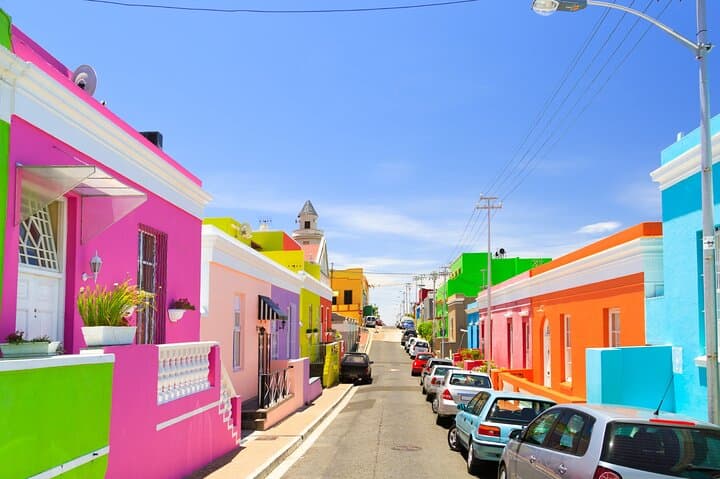
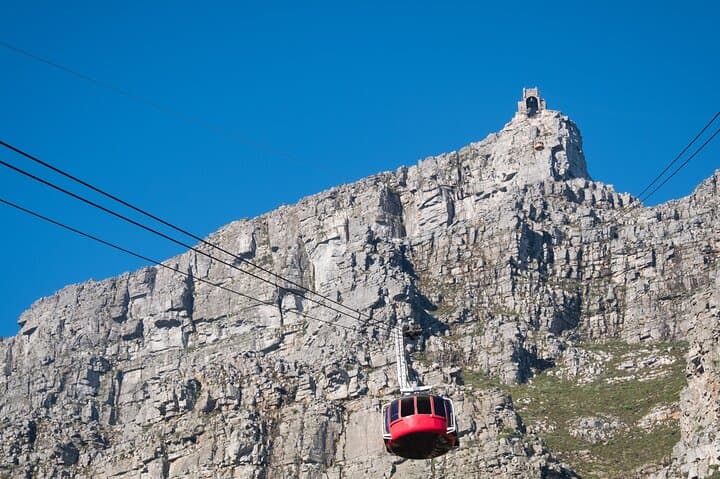
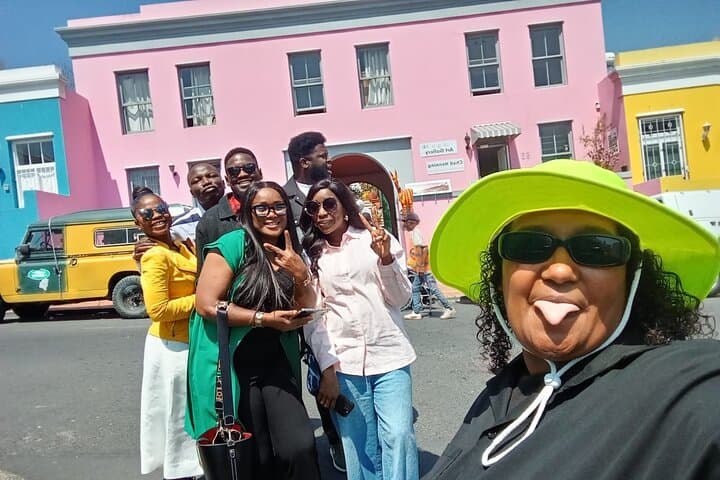
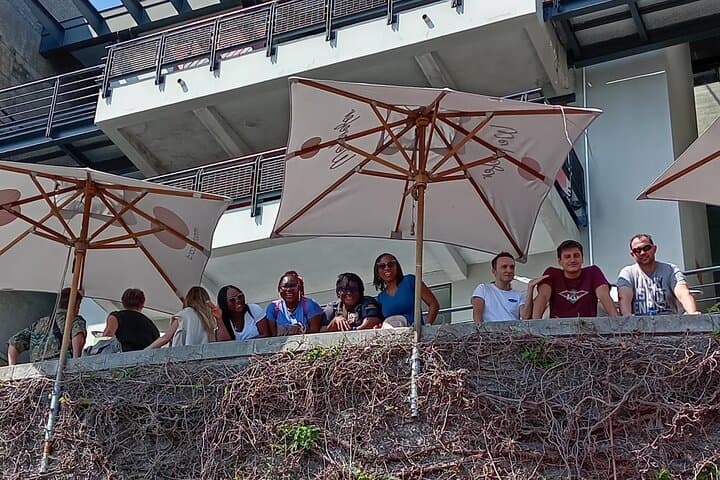
The cable car turns slowly, the city shrinking below while the Atlantic grabs the light and pushes it along the peninsula. Atop Table Mountain the wind choreographs clouds into fast-moving curtains; dassies sun themselves on the stone as visitors scan the bay toward Robben Island. Back down, cobbled Bo‑Kaap streets hum with spice and color; the Castle of Good Hope’s battered walls hold quieter stories of the Dutch East India Company, while District Six Museum confronts the more recent scars of apartheid.
The cable car turns slowly, the city shrinking below while the Atlantic grabs the light and pushes it along the peninsula. Atop Table Mountain the wind choreographs clouds into fast-moving curtains; dassies sun themselves on the stone as visitors scan the bay toward Robben Island. Back down, cobbled Bo‑Kaap streets hum with spice and color; the Castle of Good Hope’s battered walls hold quieter stories of the Dutch East India Company, while District Six Museum confronts the more recent scars of apartheid.
Geology here is blunt and visible: Table Mountain’s flat sandstone table sits above older Cape granite, creating sheer cliffs that frame sweeping views of the Cape Peninsula. Cultural layers are equally stark — from colonial forts to Cape Malay houses and markets at Greenmarket Square where crafts and conversation mix. Robben Island’s prison buildings, viewable by optional ferry, anchor the day with hard history told by former inmates.
Practical guide: this is a full, guided day (about nine hours) with hotel pickup; the Table Mountain cable car runs weather permitting and can close in high winds — check conditions and slot the summit early in the day for better visibility. Expect moderate walking on paved and rocky sections; bring sun protection, a wind layer, and 1–2 liters of water. Museums and Bo‑Kaap require modest walking and some stairs; if you plan the Robben Island ferry, book it separately in advance. Allow time for traffic and short photo stops. With attentive pacing you’ll leave the city with both its panoramas and its stories firmly in view.