THE ADVENTURE COLLECTIVE® · Independent discovery and booking for outdoor travel

Three days of Cape Town’s highlights: a ferry to Robben Island, cable-car views from Table Mountain, and a full Peninsula circuit that includes penguins and Chapman’s Peak. This private itinerary blends history, geology and coastal drives with straightforward logistics to help you plan.
Three days of Cape Town’s highlights: a ferry to Robben Island, cable-car views from Table Mountain, and a full Peninsula circuit that includes penguins and Chapman’s Peak. This private itinerary blends history, geology and coastal drives with straightforward logistics to help you plan.
You step onto the V&A Waterfront before dawn, salt and diesel in the air, and Table Mountain looms like a slow-moving wall to the north while the ferry chugs toward Robben Island. The wind on the deck tests your jacket and forces you to pay attention to the water; the island’s silhouette carries heavy history and an unflinching presence.
Verified experiences and guided adventures in the surrounding area.
Operated by Matadi Africa And Travel Tours · Cape Town, Western Cape
You step onto the V&A Waterfront before dawn, salt and diesel in the air, and Table Mountain looms like a slow-moving wall to the north while the ferry chugs toward Robben Island. The wind on the deck tests your jacket and forces you to pay attention to the water; the island’s silhouette carries heavy history and an unflinching presence.
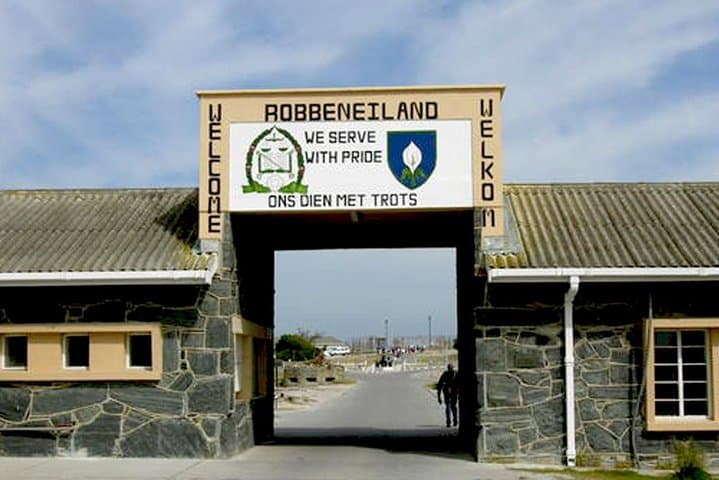
Robben Island is raw with memory — a UNESCO site where Nelson Mandela and other political prisoners were held — and the guided walk through former cells reframes the city you leave behind. Back on the mainland, Table Mountain’s sandstone ridge tells a much older story: 300-million-year-old quartzitic sandstone sculpted by wind and sea, offering views that sweep across False Bay to Cape Point. The Bo-Kaap barrio supplies a living cultural chapter, its houses and Cape Malay cuisine tracing Cape Town’s layered colonial and immigrant history.
Day three moves down Chapman’s Peak and around the Cape Peninsula, where penguins at Boulders Beach assert themselves against the tide and photographers stake out low cliffs. The coastline here pushes and pulls visitors; currents and cliffs demand respect.
Practical guidance: book Robben Island and Table Mountain cable car slots in advance and allow flexible time for weather delays. Wear adaptable layers and sturdy shoes for uneven stone and boardwalks, carry sunscreen and a small daypack, and expect a mix of ferry transit, short walks, and scenic driving. If you plan a wine stop, factor in travel time and designate the driver — the region rewards slow afternoons and punctual scheduling.
moderate.
2–3 days (itinerary spread over multiple half-day excursions).
Moderate mobility required: short walks, stairs and some uneven surfaces; minimal sustained hiking but must be comfortable on your feet and boarding ferries.
Yes — this private tour includes entrance fees and standard Robben Island ferry tickets as listed in the itinerary.
Allocate roughly three to four hours for the Robben Island experience, including a 25–45 minute ferry each way and the guided on-island tour.
The operator lists wheelchair-accessible transportation and facilities, but accessibility can vary on Robben Island and in outdoor areas; notify the operator in advance to arrange accommodations.
Yes — many itineraries include a light wine stop in Constantia or nearby estates; confirm timing and designate a driver or request transportation for any tastings.
Robben Island served as a political prison during apartheid and is now a UNESCO World Heritage Site; Table Mountain’s sandstone layers record Cape Town’s deep geological past.
Respect marked paths and wildlife areas — SANParks and local trusts manage sensitive penguin colonies and dune systems, so follow guidelines to limit disturbance and litter.
Matadi Africa And Travel Tours operates guided outdoor trips and adventures with an emphasis on safety, stewardship, and memorable experiences.
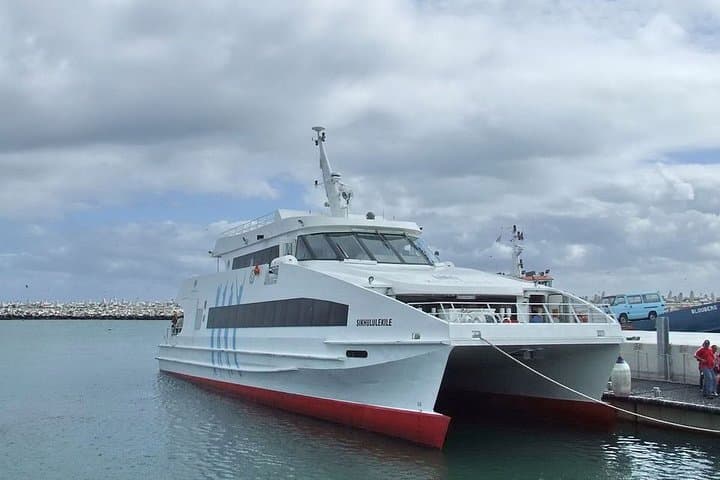
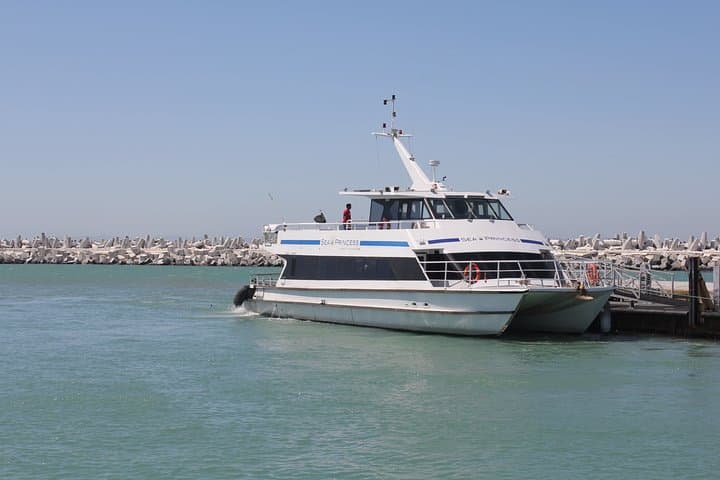

You step onto the V&A Waterfront before dawn, salt and diesel in the air, and Table Mountain looms like a slow-moving wall to the north while the ferry chugs toward Robben Island. The wind on the deck tests your jacket and forces you to pay attention to the water; the island’s silhouette carries heavy history and an unflinching presence.
You step onto the V&A Waterfront before dawn, salt and diesel in the air, and Table Mountain looms like a slow-moving wall to the north while the ferry chugs toward Robben Island. The wind on the deck tests your jacket and forces you to pay attention to the water; the island’s silhouette carries heavy history and an unflinching presence.
Robben Island is raw with memory — a UNESCO site where Nelson Mandela and other political prisoners were held — and the guided walk through former cells reframes the city you leave behind. Back on the mainland, Table Mountain’s sandstone ridge tells a much older story: 300-million-year-old quartzitic sandstone sculpted by wind and sea, offering views that sweep across False Bay to Cape Point. The Bo-Kaap barrio supplies a living cultural chapter, its houses and Cape Malay cuisine tracing Cape Town’s layered colonial and immigrant history.
Day three moves down Chapman’s Peak and around the Cape Peninsula, where penguins at Boulders Beach assert themselves against the tide and photographers stake out low cliffs. The coastline here pushes and pulls visitors; currents and cliffs demand respect.
Practical guidance: book Robben Island and Table Mountain cable car slots in advance and allow flexible time for weather delays. Wear adaptable layers and sturdy shoes for uneven stone and boardwalks, carry sunscreen and a small daypack, and expect a mix of ferry transit, short walks, and scenic driving. If you plan a wine stop, factor in travel time and designate the driver — the region rewards slow afternoons and punctual scheduling.