THE ADVENTURE COLLECTIVE® · Independent discovery and booking for outdoor travel

Spend a full day in Cape Town moving from vibrant township streets to the stark history of Robben Island. This guided tour combines community visits with a ferry ride and museum-led island tour for a deeply informative experience.
Spend a full day in Cape Town moving from vibrant township streets to the stark history of Robben Island. This guided tour combines community visits with a ferry ride and museum-led island tour for a deeply informative experience.
A brisk Atlantic wind pushes the ferry out of the harbor and the silhouette of Table Mountain slips behind you as the boat rises on Table Bay.
Verified experiences and guided adventures in the surrounding area.
Operated by MoAfrika Tours · Cape Town, Western Cape
A brisk Atlantic wind pushes the ferry out of the harbor and the silhouette of Table Mountain slips behind you as the boat rises on Table Bay.
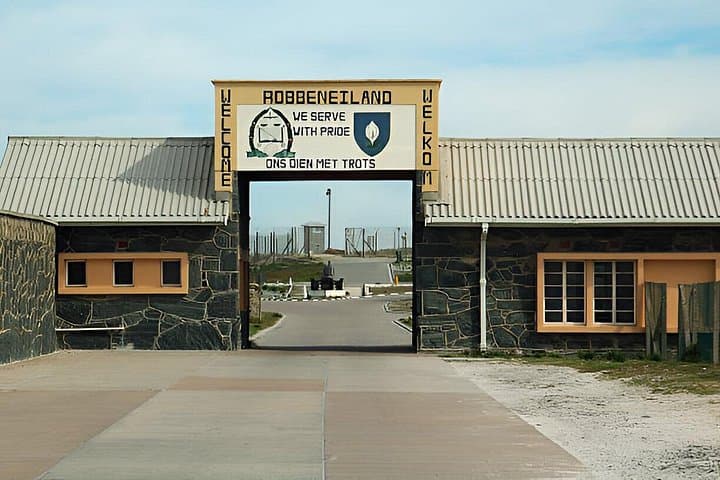
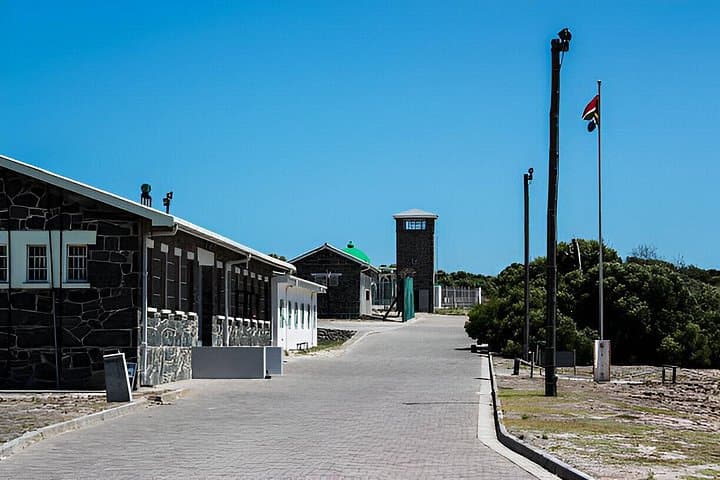
By mid-morning the tour threads between painted shacks and corrugated rooftops, where children dart through alleys and market stalls sell fresh fruit and hand-carved goods. The township portion is conversational and local — guides introduce visitors to community projects, schools, and small enterprises that have formed in the wake of political change. The scene shifts again when the group boards for Robben Island: flat, wind-scoured, and stark, the island’s stone quarry and narrow cells hold a raw physical record of the struggle against apartheid.
Robben Island’s limestone and wind-polished rock tell a geological story of marine deposition and coastal uplift, while the townships of Cape Town sit on the softer sands of the Cape Flats — neighborhoods shaped by displacement and resilience. Cultural insight comes from listening: former prisoners, local leaders and guides frame history with personal memory rather than abstraction.
Practical guidance: expect a full day (roughly seven hours), with walking on uneven ground and exposed shoreline. Bring your passport for the ferry, sun protection, and comfortable walking shoes. Photography is welcome but ask permission in personal settings; tip local guides and community hosts when appropriate. Ferry crossings can be choppy — motion-sickness meds help. The tour balances education and sensitivity: engage respectfully, follow guide direction in townships, and plan transport to and from the V&A Waterfront if not included. This is a visit that pairs historical gravity with present-day community life, best approached with openness and basic preparation.
easy.
7 hours.
Basic mobility is required for short walks on mixed surfaces; suitable for most fitness levels.
Most tours meet at the V&A Waterfront (Nelson Mandela Gateway) or a specified pickup point in central Cape Town; check your booking confirmation for exact details.
The tour includes ferry boarding and walking on uneven surfaces; some parts of Robben Island and township streets may be difficult for wheelchairs — notify the operator of mobility needs in advance.
Photography is allowed, but always ask permission before photographing individuals in townships and follow the museum guidelines on Robben Island, especially in sensitive areas like former prison cells.
Ferry crossings can be affected by rough seas; operators may reschedule or alter itineraries when crossings are unsafe — confirm policies when booking.
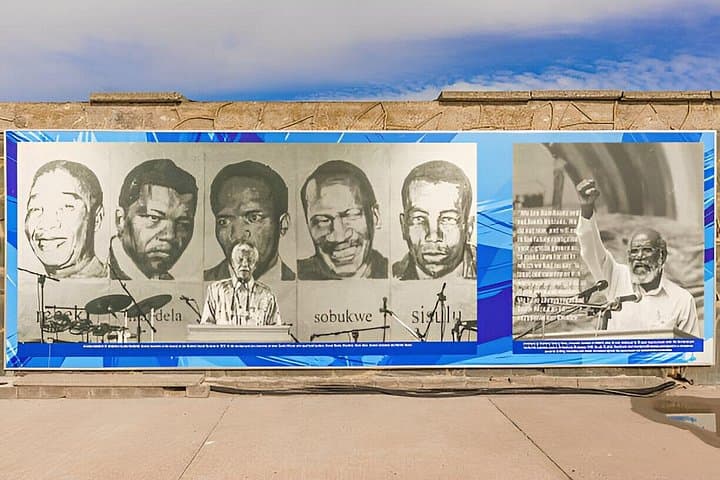
Robben Island served as a high-security prison during apartheid; Nelson Mandela was incarcerated here for 18 of his 27 years. Township areas around Cape Town were shaped by forced removals and decades of segregation under apartheid policies.
Robben Island and surrounding waters are managed with conservation priorities that balance heritage interpretation and habitat protection; visitors should stick to paths and leave no trace to limit impact.
MoAfrika Tours operates guided outdoor trips and adventures with an emphasis on safety, stewardship, and memorable experiences.
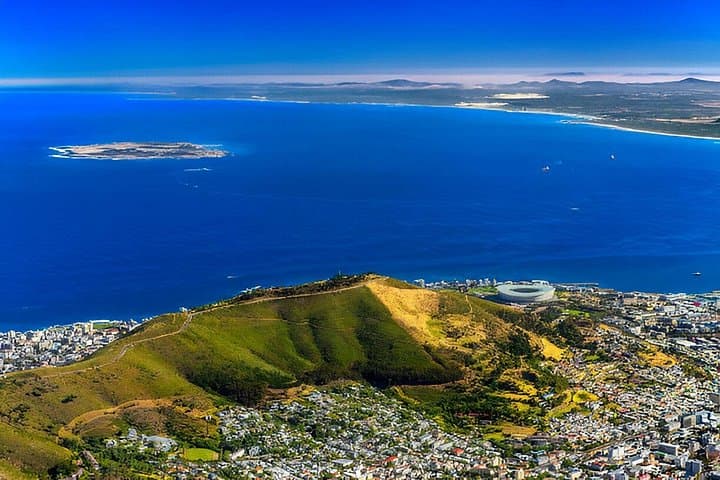
A brisk Atlantic wind pushes the ferry out of the harbor and the silhouette of Table Mountain slips behind you as the boat rises on Table Bay.
A brisk Atlantic wind pushes the ferry out of the harbor and the silhouette of Table Mountain slips behind you as the boat rises on Table Bay.
By mid-morning the tour threads between painted shacks and corrugated rooftops, where children dart through alleys and market stalls sell fresh fruit and hand-carved goods. The township portion is conversational and local — guides introduce visitors to community projects, schools, and small enterprises that have formed in the wake of political change. The scene shifts again when the group boards for Robben Island: flat, wind-scoured, and stark, the island’s stone quarry and narrow cells hold a raw physical record of the struggle against apartheid.
Robben Island’s limestone and wind-polished rock tell a geological story of marine deposition and coastal uplift, while the townships of Cape Town sit on the softer sands of the Cape Flats — neighborhoods shaped by displacement and resilience. Cultural insight comes from listening: former prisoners, local leaders and guides frame history with personal memory rather than abstraction.
Practical guidance: expect a full day (roughly seven hours), with walking on uneven ground and exposed shoreline. Bring your passport for the ferry, sun protection, and comfortable walking shoes. Photography is welcome but ask permission in personal settings; tip local guides and community hosts when appropriate. Ferry crossings can be choppy — motion-sickness meds help. The tour balances education and sensitivity: engage respectfully, follow guide direction in townships, and plan transport to and from the V&A Waterfront if not included. This is a visit that pairs historical gravity with present-day community life, best approached with openness and basic preparation.