THE ADVENTURE COLLECTIVE® · Independent discovery and booking for outdoor travel

A compact full-day loop through Cape Town: ferry to Robben Island's prison museum, a panoramic cable car ride up Table Mountain, and an afternoon of tastings at historic Groot Constantia. Expect eight hours of history, geology and vineyard views—weather dependent.
A compact full-day loop through Cape Town: ferry to Robben Island's prison museum, a panoramic cable car ride up Table Mountain, and an afternoon of tastings at historic Groot Constantia. Expect eight hours of history, geology and vineyard views—weather dependent.
The ferry cuts through cold Atlantic swells as Cape Town's skyline recedes, then the island's low silhouette appears—a place where reefs and history press close. On Robben Island the guide's voice threads between cells and seascape; wind and stone do much of the storytelling. Later, a cable car spins up Table Mountain, the plateau's scrub and sandstone cliffs opening into 360-degree views that include the same harbor you left behind. The day closes with Groot Constantia's vineyards, where old oak and Cape Dutch facades lend gravity to an afternoon of tastings.
Verified experiences and guided adventures in the surrounding area.
Operated by Joel · Cape Town, Western Cape
The ferry cuts through cold Atlantic swells as Cape Town's skyline recedes, then the island's low silhouette appears—a place where reefs and history press close. On Robben Island the guide's voice threads between cells and seascape; wind and stone do much of the storytelling. Later, a cable car spins up Table Mountain, the plateau's scrub and sandstone cliffs opening into 360-degree views that include the same harbor you left behind. The day closes with Groot Constantia's vineyards, where old oak and Cape Dutch facades lend gravity to an afternoon of tastings.
This itinerary stitches together South Africa's political history, Cape Fold geology and colonial-era viticulture. Robben Island is a former prison-turned-museum central to the anti-apartheid story; Table Mountain is a sandstone mesa formed during the Ordovician–Silurian period and hosts endemic fynbos; Groot Constantia dates to 1685 and shaped Cape wine traditions. Local guides often weave cultural context—how shipping lanes, mountains and climate influenced settlement and agriculture.
Practically: expect a full 8-hour day that includes a Robben Island ferry (sea conditions can affect timing), two hours on Table Mountain (weather-dependent cable car operation) and a guided tasting at Groot Constantia. Wear sturdy shoes for cobbled estate paths and uneven museum steps; bring a wind layer, sun protection and a refillable bottle. Confirm pickup logistics and ID, arrive at the ferry terminal early, and plan transport if you intend to sample wines. The route balances reflection, viewpoints and relaxed tasting—an accessible, tightly scheduled introduction to Cape Town's landscape and history.
easy.
8 hours.
Light walking ability; able to board a ferry and manage short stair sections and uneven surfaces.
Yes—logistics note wheelchair-accessible transport and many Robben Island and Groot Constantia areas have accessible routes, but check specifics for ferry boarding and Table Mountain summit access depending on conditions.
If the cableway is closed due to wind or maintenance, operators usually offer alternative viewing times or refunds—confirm on the day with your guide or operator.
The ferry crossing plus the guided museum tour typically occupies the morning slot; this itinerary allocates about two to four hours for the island visit including transfers.
Guided tastings at Groot Constantia are included; bottles and pairings are available for purchase at the estate’s shop and restaurants.
Robben Island served as a political prison through the 20th century and is central to South Africa’s liberation narrative; Groot Constantia is one of the country’s oldest wine estates, founded in 1685.
Table Mountain’s fynbos is highly endemic and protected—stay on trails to avoid trampling rare plants; Groot Constantia and local operators emphasize responsible tourism and reduced plastic use.
Joel operates guided outdoor trips and adventures with an emphasis on safety, stewardship, and memorable experiences.
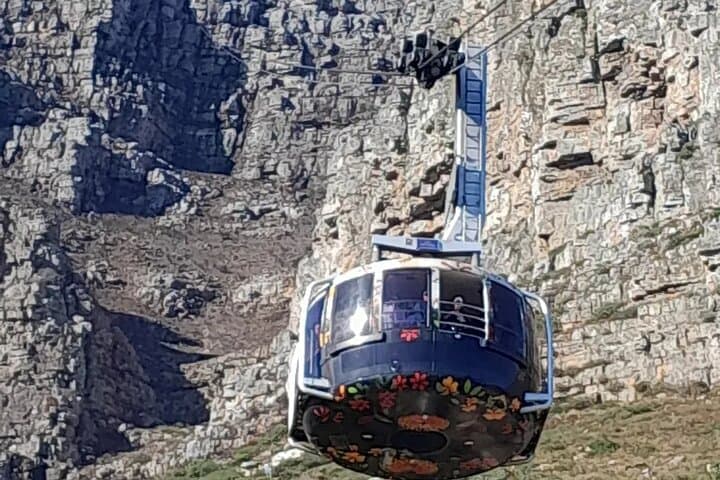
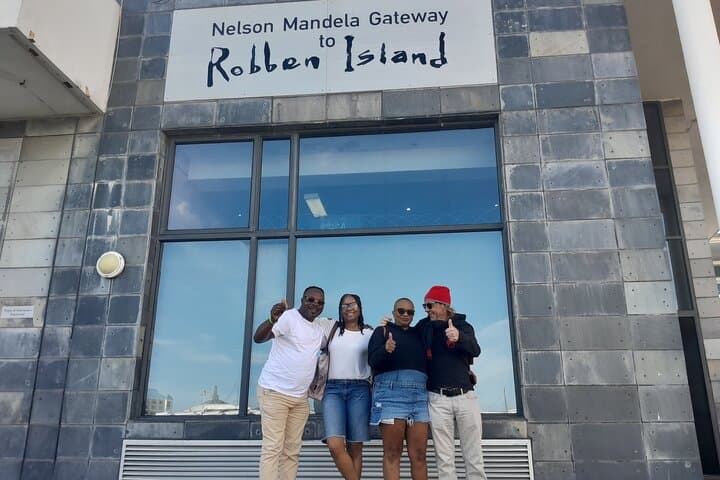
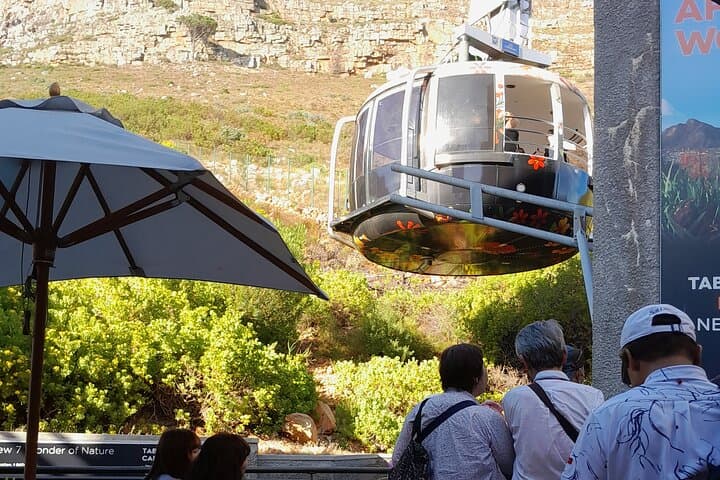
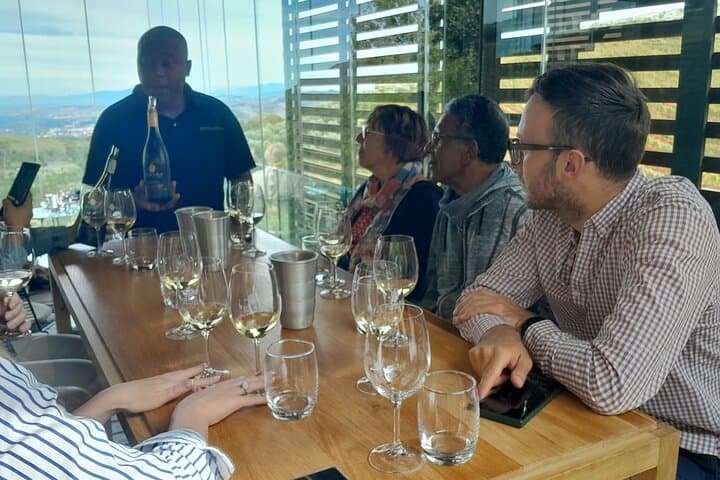
The ferry cuts through cold Atlantic swells as Cape Town's skyline recedes, then the island's low silhouette appears—a place where reefs and history press close. On Robben Island the guide's voice threads between cells and seascape; wind and stone do much of the storytelling. Later, a cable car spins up Table Mountain, the plateau's scrub and sandstone cliffs opening into 360-degree views that include the same harbor you left behind. The day closes with Groot Constantia's vineyards, where old oak and Cape Dutch facades lend gravity to an afternoon of tastings.
The ferry cuts through cold Atlantic swells as Cape Town's skyline recedes, then the island's low silhouette appears—a place where reefs and history press close. On Robben Island the guide's voice threads between cells and seascape; wind and stone do much of the storytelling. Later, a cable car spins up Table Mountain, the plateau's scrub and sandstone cliffs opening into 360-degree views that include the same harbor you left behind. The day closes with Groot Constantia's vineyards, where old oak and Cape Dutch facades lend gravity to an afternoon of tastings.
This itinerary stitches together South Africa's political history, Cape Fold geology and colonial-era viticulture. Robben Island is a former prison-turned-museum central to the anti-apartheid story; Table Mountain is a sandstone mesa formed during the Ordovician–Silurian period and hosts endemic fynbos; Groot Constantia dates to 1685 and shaped Cape wine traditions. Local guides often weave cultural context—how shipping lanes, mountains and climate influenced settlement and agriculture.
Practically: expect a full 8-hour day that includes a Robben Island ferry (sea conditions can affect timing), two hours on Table Mountain (weather-dependent cable car operation) and a guided tasting at Groot Constantia. Wear sturdy shoes for cobbled estate paths and uneven museum steps; bring a wind layer, sun protection and a refillable bottle. Confirm pickup logistics and ID, arrive at the ferry terminal early, and plan transport if you intend to sample wines. The route balances reflection, viewpoints and relaxed tasting—an accessible, tightly scheduled introduction to Cape Town's landscape and history.