THE ADVENTURE COLLECTIVE® · Independent discovery and booking for outdoor travel

Spend a curated day from Cape Town through Stellenbosch and Franschhoek, pairing regional wines with local food. This private, air‑conditioned tour blends scenic drives, cellar visits, and tasting notes tailored to your tastes.
Spend a curated day from Cape Town through Stellenbosch and Franschhoek, pairing regional wines with local food. This private, air‑conditioned tour blends scenic drives, cellar visits, and tasting notes tailored to your tastes.
A cool Cape Town morning, the city still shedding last night’s light, and an air-conditioned van eases onto the N2 toward the vineyards. The road climbs past low fynbos and scrub, then opens into rows of grapevines slanting toward the Franschhoek and Stellenbosch ranges. You move through a landscape that smells of earth and cut grass; mountains seem to lean in, as if listening for the clink of tasting glasses.
Verified experiences and guided adventures in the surrounding area.
Operated by WOW Travel and Tours · Cape Town, Western Cape
A cool Cape Town morning, the city still shedding last night’s light, and an air-conditioned van eases onto the N2 toward the vineyards. The road climbs past low fynbos and scrub, then opens into rows of grapevines slanting toward the Franschhoek and Stellenbosch ranges. You move through a landscape that smells of earth and cut grass; mountains seem to lean in, as if listening for the clink of tasting glasses.
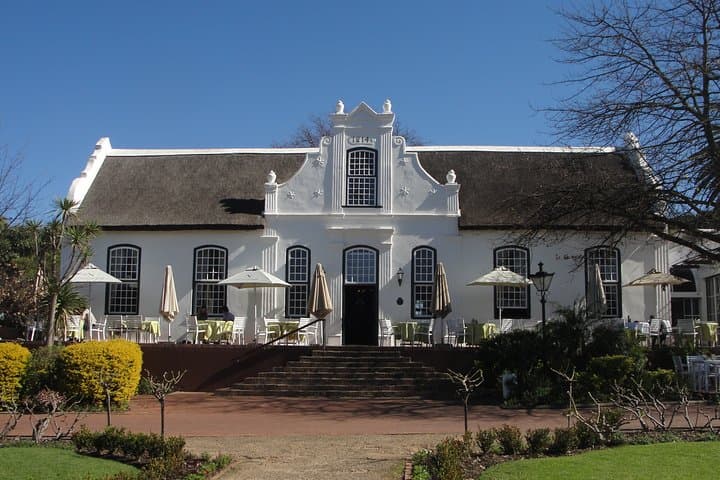
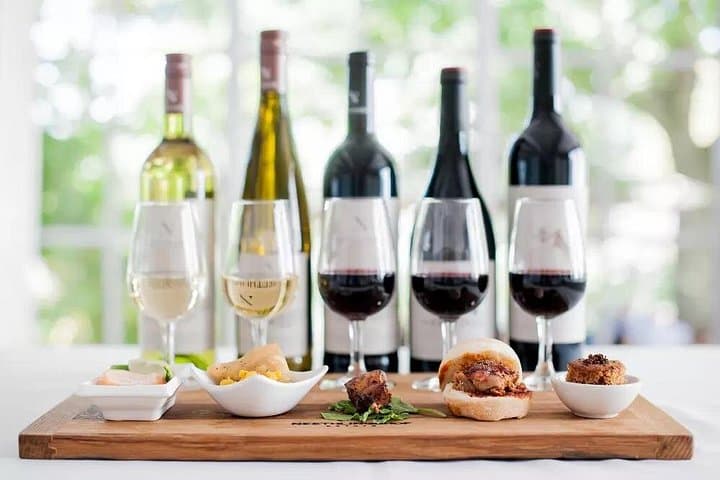
This route threads through the Cape Fold Belt—ancient sandstone ridges that shaped settlement patterns and microclimates prized by winemakers. Franschhoek bears the imprint of 17th‑century Huguenot settlements; Stellenbosch displays Cape Dutch homesteads and oak-lined streets. Local culture centers on food-born craft: small producers, cellar doors, and kitchens that pair regional Chenin, Sauvignon Blanc, and Pinotage with modern South African cuisine.
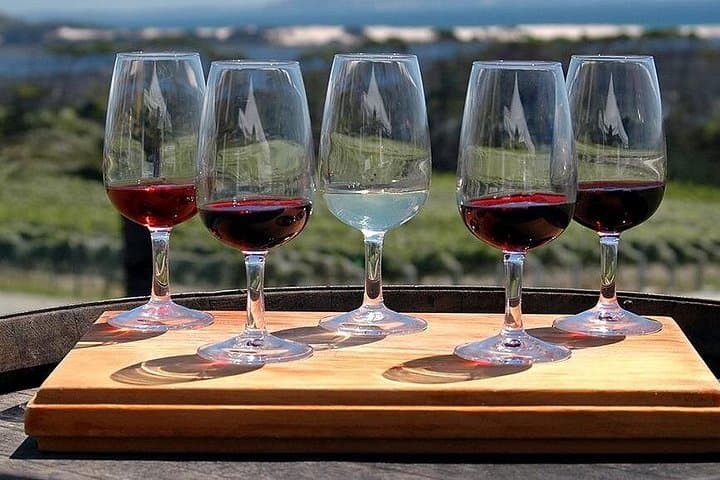
Expect a largely seated day with short guided walks around cellars and tasting rooms; the tour runs about eight hours door-to-door. Your guide will explain terroir, grape selection, and pairing logic as you taste—often three to five stops depending on your plan. Practicalities matter: booked tastings or lunches may incur extra fees, and vineyard ground can be uneven after rain. Bring a refillable water bottle, comfortable shoes for gravel and lawn, and a jacket for mountain breezes.
Timing your tour for a weekday avoids the busiest cellar doors. If you want to focus on organic or boutique estates, tell your guide in advance and they’ll adjust the route. This is a day that balances leisurely tasting with regional storytelling—an accessible way to read the landscape through food and wine.
easy.
8 hours.
Suitable for most fitness levels—mostly seated transport with short, casual walks at wineries
Tastings and meals are handled per winery—some include a tasting fee while others charge on-site; confirm what’s included when you book.
Yes—this private tour includes pickup and drop-off from Cape Town in an air‑conditioned vehicle; specify your preferred pickup point when booking.
The operator notes wheelchair accessibility for transport and key surfaces, but accessibility within individual estates varies—advise special requirements at booking.
Guides can arrange vegetarian or other dietary needs if notified in advance; inform the operator during booking so wineries and lunch venues can prepare.
Franschhoek’s Huguenot heritage shaped early vineyard plantings and French influences in local cuisine; Stellenbosch grew around a 17th‑century oak‑lined settlement that became a university and wine hub.
Many estates in the region practice water-wise viticulture and organic farming; support sustainable producers and use refillable containers to reduce waste.
WOW Travel and Tours operates guided outdoor trips and adventures with an emphasis on safety, stewardship, and memorable experiences.
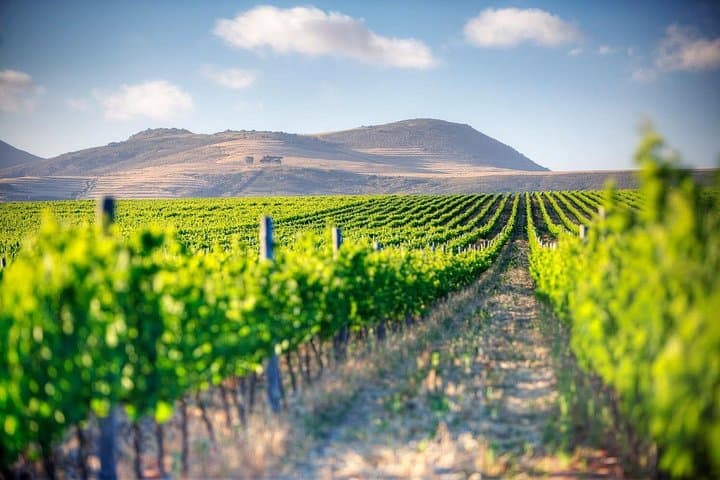
A cool Cape Town morning, the city still shedding last night’s light, and an air-conditioned van eases onto the N2 toward the vineyards. The road climbs past low fynbos and scrub, then opens into rows of grapevines slanting toward the Franschhoek and Stellenbosch ranges. You move through a landscape that smells of earth and cut grass; mountains seem to lean in, as if listening for the clink of tasting glasses.
A cool Cape Town morning, the city still shedding last night’s light, and an air-conditioned van eases onto the N2 toward the vineyards. The road climbs past low fynbos and scrub, then opens into rows of grapevines slanting toward the Franschhoek and Stellenbosch ranges. You move through a landscape that smells of earth and cut grass; mountains seem to lean in, as if listening for the clink of tasting glasses.
This route threads through the Cape Fold Belt—ancient sandstone ridges that shaped settlement patterns and microclimates prized by winemakers. Franschhoek bears the imprint of 17th‑century Huguenot settlements; Stellenbosch displays Cape Dutch homesteads and oak-lined streets. Local culture centers on food-born craft: small producers, cellar doors, and kitchens that pair regional Chenin, Sauvignon Blanc, and Pinotage with modern South African cuisine.
Expect a largely seated day with short guided walks around cellars and tasting rooms; the tour runs about eight hours door-to-door. Your guide will explain terroir, grape selection, and pairing logic as you taste—often three to five stops depending on your plan. Practicalities matter: booked tastings or lunches may incur extra fees, and vineyard ground can be uneven after rain. Bring a refillable water bottle, comfortable shoes for gravel and lawn, and a jacket for mountain breezes.
Timing your tour for a weekday avoids the busiest cellar doors. If you want to focus on organic or boutique estates, tell your guide in advance and they’ll adjust the route. This is a day that balances leisurely tasting with regional storytelling—an accessible way to read the landscape through food and wine.