THE ADVENTURE COLLECTIVE® · Independent discovery and booking for outdoor travel

Walk through Cape Town’s market culture from Oranjezicht City Farm Market to the Old Biscuit Mill and Greenmarket Square. This half-day tour pairs seasonal produce, street art in Woodstock and Bo‑Kaap’s colorful history with practical tips for sampling and shopping.
Walk through Cape Town’s market culture from Oranjezicht City Farm Market to the Old Biscuit Mill and Greenmarket Square. This half-day tour pairs seasonal produce, street art in Woodstock and Bo‑Kaap’s colorful history with practical tips for sampling and shopping.
The morning light in Cape Town has a brisk clarity: Cape Town’s harbor air mixes with the steam of fresh coffee as market stalls unfurl under canvas canopies. You arrive amid voices calling prices, the scent of wood-fired breads, and farmers arranging crates of seasonal produce—this is Oranjezicht City Farm Market in motion, where city dwellers and growers meet every Saturday.
Verified experiences and guided adventures in the surrounding area.
Operated by Cullinan Guided Journeys · Cape Town, Western Cape
The morning light in Cape Town has a brisk clarity: Cape Town’s harbor air mixes with the steam of fresh coffee as market stalls unfurl under canvas canopies. You arrive amid voices calling prices, the scent of wood-fired breads, and farmers arranging crates of seasonal produce—this is Oranjezicht City Farm Market in motion, where city dwellers and growers meet every Saturday.
The markets sit on Cape Town’s layered history: a working port since the 17th century and a crossroads of Malay, Dutch, Khoi and later immigrant cultures. Bo-Kaap’s painted row houses tell stories of freed slaves and Cape Malay heritage; Greenmarket Square has been a trading point since the 18th century and remains a hub for arts and crafts. Geologically, the city is bounded by Table Mountain’s sandstone spine and the Atlantic, which shaped trade routes and local diets heavy in seafood.
Expect a walking and short-drive loop through Oranjezicht, Woodstock’s Old Biscuit Mill (Neighbourgoods Market) and Greenmarket Square. Your guide points out seasonal produce, chatters about street art in Woodstock, and flags local artisans worth visiting. Sampling is pay-as-you-go—bring cash or card for tastes, coffee, and small purchases.
Practical notes: tours start early to catch the busiest market hours, run about 4–5 hours with short walks between stops, and include hotel pickup in central Cape Town. Wear sturdy walking shoes, sun protection and a small daypack for purchases. If you want quieter browsing, arrive at opening; for a livelier scene, mid-morning is busiest. This half-day loop is a compact way to read Cape Town through its food and streets.
easy.
4–5 hours.
Suitable for most fitness levels; requires standing and short, easy walks between market sites.
No; tastings, meals and purchases at market stalls are pay-as-you-go—bring cash or card for food and souvenirs.
Yes—hotel pickup and drop-off in Cape Town city centre is typically included; exact pickup details are provided the day before the tour.
The tour is generally suitable for families and most fitness levels, but it involves standing and walking on uneven surfaces; those with significant mobility limitations should check accessibility in advance.
Arrive at opening (usually early morning) for the freshest produce and smaller crowds; mid-morning is livelier with more food stalls open.
Bo-Kaap reflects Cape Malay heritage from the 18th and 19th centuries; Greenmarket Square has been a trade center since colonial times and now hosts artisans and antiques sellers.
Markets in Cape Town emphasize seasonal, locally grown produce and many vendors reduce single-use plastics—supporting them helps urban farming and local food systems.
Cullinan Guided Journeys operates guided outdoor trips and adventures with an emphasis on safety, stewardship, and memorable experiences.
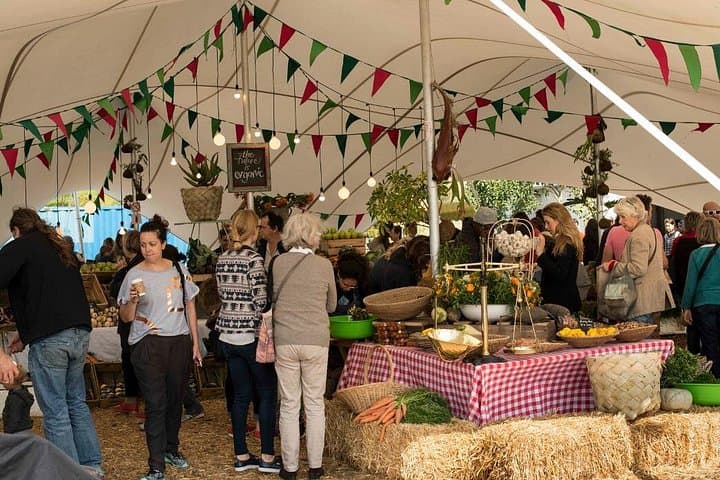
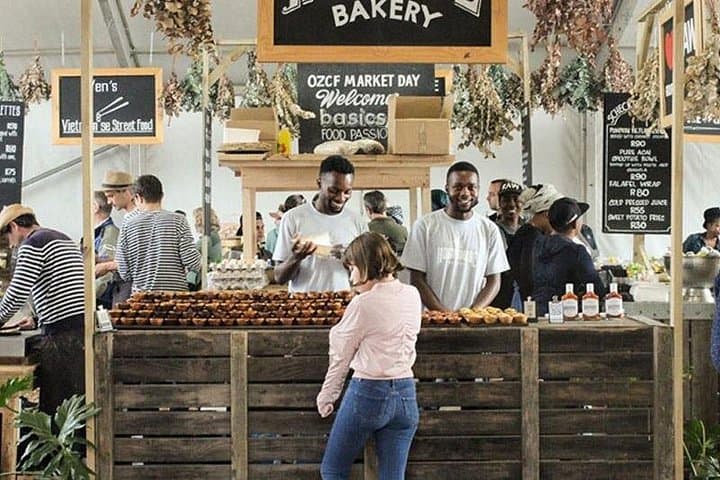
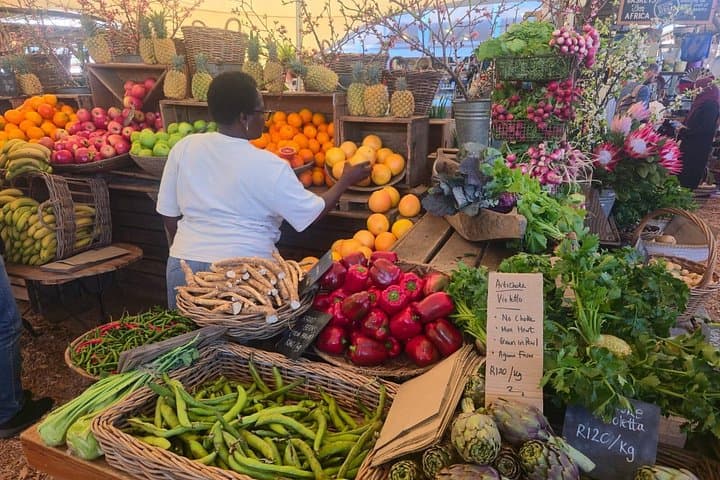
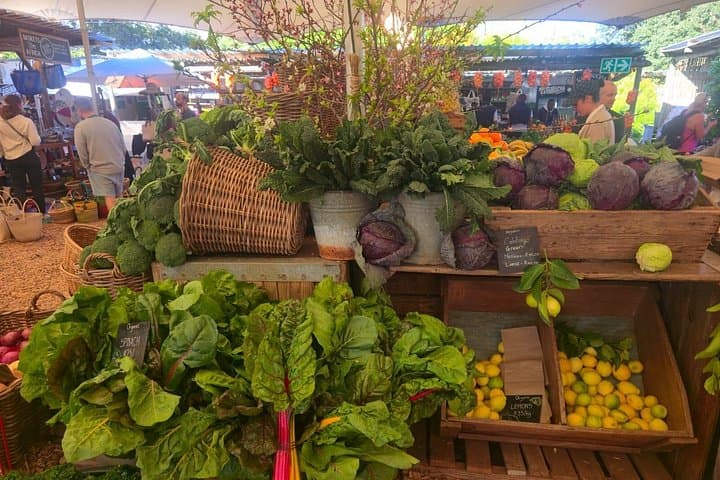
The morning light in Cape Town has a brisk clarity: Cape Town’s harbor air mixes with the steam of fresh coffee as market stalls unfurl under canvas canopies. You arrive amid voices calling prices, the scent of wood-fired breads, and farmers arranging crates of seasonal produce—this is Oranjezicht City Farm Market in motion, where city dwellers and growers meet every Saturday.
The morning light in Cape Town has a brisk clarity: Cape Town’s harbor air mixes with the steam of fresh coffee as market stalls unfurl under canvas canopies. You arrive amid voices calling prices, the scent of wood-fired breads, and farmers arranging crates of seasonal produce—this is Oranjezicht City Farm Market in motion, where city dwellers and growers meet every Saturday.
The markets sit on Cape Town’s layered history: a working port since the 17th century and a crossroads of Malay, Dutch, Khoi and later immigrant cultures. Bo-Kaap’s painted row houses tell stories of freed slaves and Cape Malay heritage; Greenmarket Square has been a trading point since the 18th century and remains a hub for arts and crafts. Geologically, the city is bounded by Table Mountain’s sandstone spine and the Atlantic, which shaped trade routes and local diets heavy in seafood.
Expect a walking and short-drive loop through Oranjezicht, Woodstock’s Old Biscuit Mill (Neighbourgoods Market) and Greenmarket Square. Your guide points out seasonal produce, chatters about street art in Woodstock, and flags local artisans worth visiting. Sampling is pay-as-you-go—bring cash or card for tastes, coffee, and small purchases.
Practical notes: tours start early to catch the busiest market hours, run about 4–5 hours with short walks between stops, and include hotel pickup in central Cape Town. Wear sturdy walking shoes, sun protection and a small daypack for purchases. If you want quieter browsing, arrive at opening; for a livelier scene, mid-morning is busiest. This half-day loop is a compact way to read Cape Town through its food and streets.