THE ADVENTURE COLLECTIVE® · Independent discovery and booking for outdoor travel

Step into a small craft distillery in Cape Town to smell molasses, meet copper stills and taste three distinct rums neat and paired with mixers. This one‑hour tour blends production insight, tasting technique and local context for an efficient, flavorful visit.
Step into a small craft distillery in Cape Town to smell molasses, meet copper stills and taste three distinct rums neat and paired with mixers. This one‑hour tour blends production insight, tasting technique and local context for an efficient, flavorful visit.
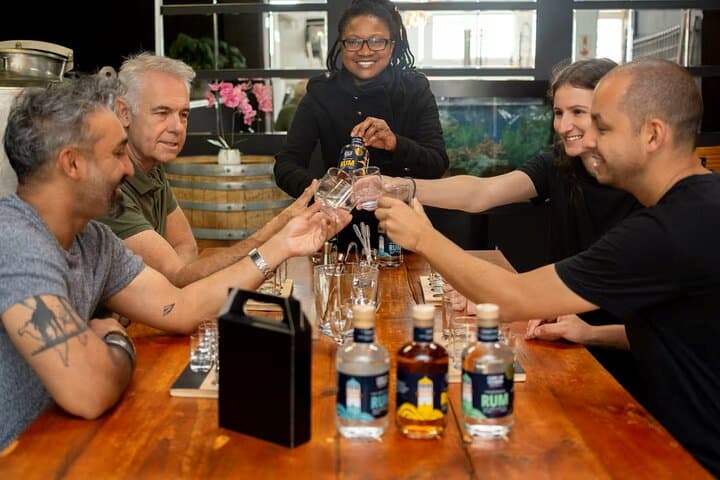
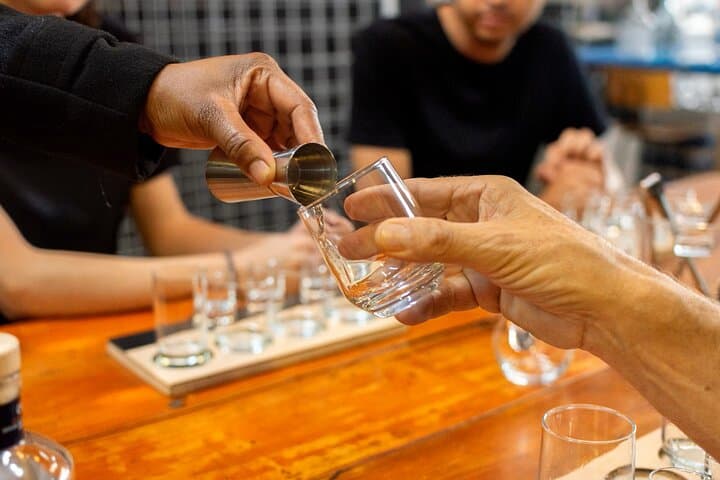
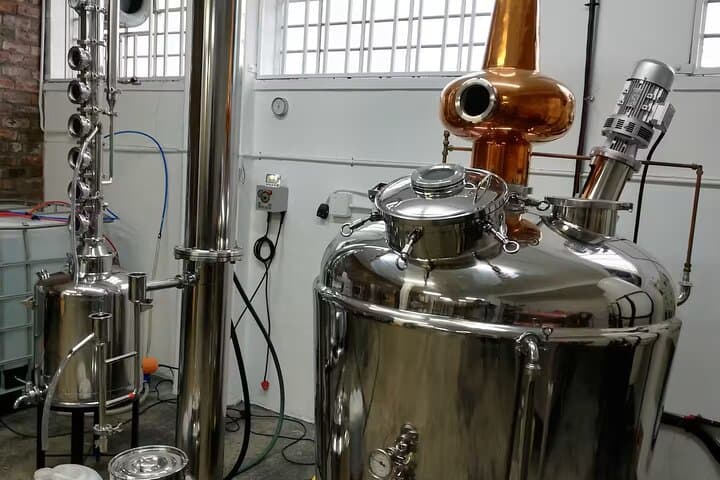
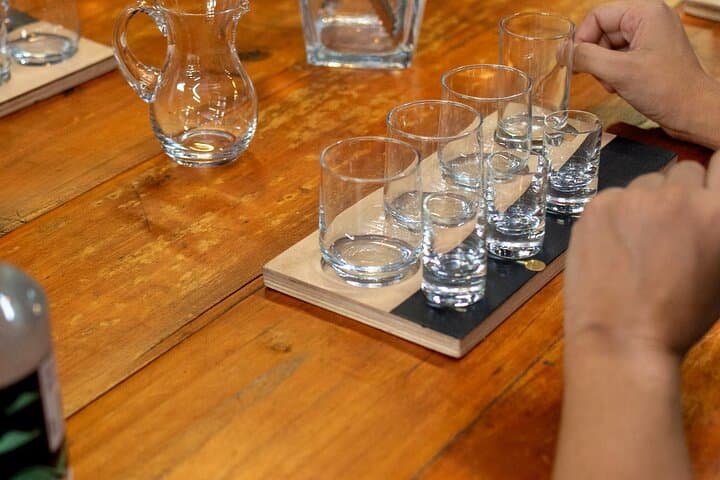
The tasting room sits behind a quiet courtyard as sunlight cuts across oak barrels and copper stills; you step in to the scent of molasses, toasted wood and warm spice. Hosts guide a small group through the production area where molasses is poured, spices are inhaled and the slow patience of aging is explained—then you return to the bar to taste three distinct rums neat and with paired mixers.
Verified experiences and guided adventures in the surrounding area.
Operated by Cape Of Storms Distilling Co. · Cape Town, Western Cape
The tasting room sits behind a quiet courtyard as sunlight cuts across oak barrels and copper stills; you step in to the scent of molasses, toasted wood and warm spice. Hosts guide a small group through the production area where molasses is poured, spices are inhaled and the slow patience of aging is explained—then you return to the bar to taste three distinct rums neat and with paired mixers.
Rum arrived in South Africa with colonial trade: molasses and sugar cane from the tropics, local ingenuity in fermentation and oak influence created a unique Cape style. Geologically, the region’s proximity to the Atlantic and local wood sources shape maturation choices; culturally, Cape Town’s food-and-drink scene favors small-batch producers and tasting-led experiences.
Expect a one-hour, small-group visit focused on process and palate. The tour is conversational—hosts encourage notes about aroma, mouthfeel and spice—and the tasting emphasizes how raw material, spice blends and wood contact produce different profiles.
Practical guidance: bring valid photo ID (South African law requires it for alcohol service), arrive 10 minutes early, and plan light transport — the distillery sits in a tight city block where parking is limited. The experience is accessible to most visitors but involves standing inside production and a tasting component, so pace yourself with water. If you’re pairing with other Cape activities, mornings are quieter; afternoons fit well into a food‑centric day in town.
This tour suits curious travelers who want a short, educational tasting that connects Cape history, production craft and modern small-batch rum culture.
easy.
1 hour.
Minimal fitness required; must be able to stand and walk short distances inside the facility.
The experience lasts approximately 60 minutes including the production walkthrough and three-rum tasting.
Infants in prams are allowed per the operator, but tastings are for adults; children should be supervised in public areas.
Yes—groups are small and bookings secure a slot; same‑day availability may be limited.
Public areas are generally accessible but contact the operator ahead of your visit to confirm specific accessibility needs.
Rum in the Cape reflects maritime trade routes and the region’s ties to sugar and molasses processing; small distilleries revive and reinterpret these influences.
Many Cape craft distillers prioritize local sourcing and reduced waste—ask about cask reuse and ingredient provenance to support sustainable producers.
Cape Of Storms Distilling Co. operates guided outdoor trips and adventures with an emphasis on safety, stewardship, and memorable experiences.
The tasting room sits behind a quiet courtyard as sunlight cuts across oak barrels and copper stills; you step in to the scent of molasses, toasted wood and warm spice. Hosts guide a small group through the production area where molasses is poured, spices are inhaled and the slow patience of aging is explained—then you return to the bar to taste three distinct rums neat and with paired mixers.
The tasting room sits behind a quiet courtyard as sunlight cuts across oak barrels and copper stills; you step in to the scent of molasses, toasted wood and warm spice. Hosts guide a small group through the production area where molasses is poured, spices are inhaled and the slow patience of aging is explained—then you return to the bar to taste three distinct rums neat and with paired mixers.
Rum arrived in South Africa with colonial trade: molasses and sugar cane from the tropics, local ingenuity in fermentation and oak influence created a unique Cape style. Geologically, the region’s proximity to the Atlantic and local wood sources shape maturation choices; culturally, Cape Town’s food-and-drink scene favors small-batch producers and tasting-led experiences.
Expect a one-hour, small-group visit focused on process and palate. The tour is conversational—hosts encourage notes about aroma, mouthfeel and spice—and the tasting emphasizes how raw material, spice blends and wood contact produce different profiles.
Practical guidance: bring valid photo ID (South African law requires it for alcohol service), arrive 10 minutes early, and plan light transport — the distillery sits in a tight city block where parking is limited. The experience is accessible to most visitors but involves standing inside production and a tasting component, so pace yourself with water. If you’re pairing with other Cape activities, mornings are quieter; afternoons fit well into a food‑centric day in town.
This tour suits curious travelers who want a short, educational tasting that connects Cape history, production craft and modern small-batch rum culture.