THE ADVENTURE COLLECTIVE® · Independent discovery and booking for outdoor travel

A four-hour, 3.5 km guided walk from the V&A Waterfront into Lower Town that threads Cape Town’s geology, colonial history and living culture into an accessible city ramble. Ideal for curious travelers who want context with their sightseeing.
A four-hour, 3.5 km guided walk from the V&A Waterfront into Lower Town that threads Cape Town’s geology, colonial history and living culture into an accessible city ramble. Ideal for curious travelers who want context with their sightseeing.
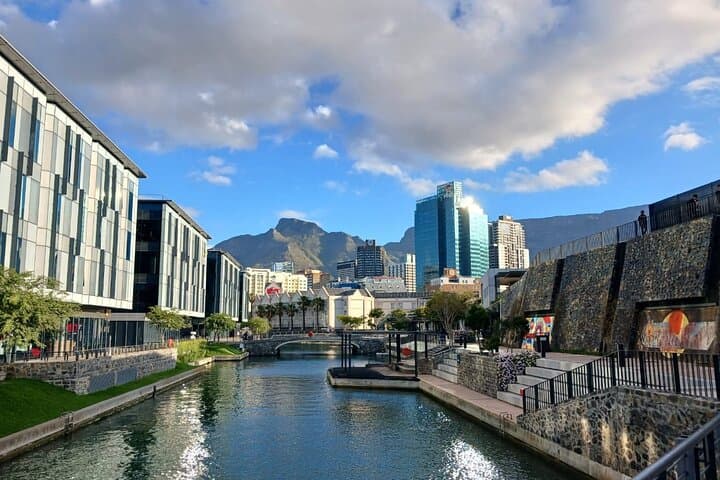
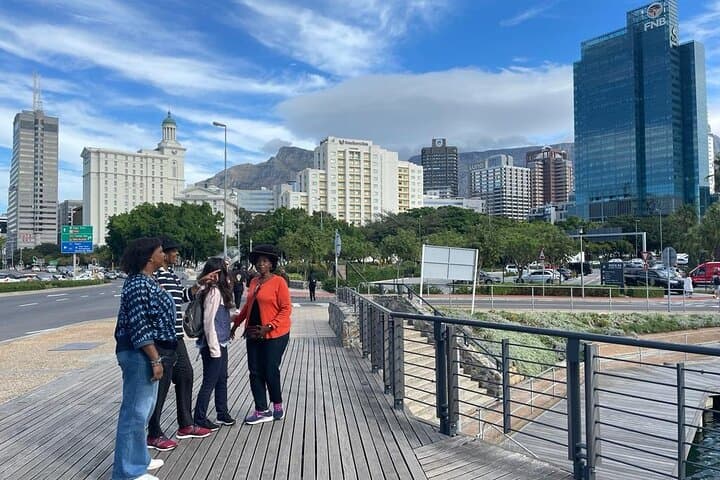
You meet at Ginja Restaurant on the V&A Waterfront with salt on the air and Table Mountain rising like an old, stony presence above the harbor.
Verified experiences and guided adventures in the surrounding area.
Operated by LocalPlaces · Cape Town, Western Cape
You meet at Ginja Restaurant on the V&A Waterfront with salt on the air and Table Mountain rising like an old, stony presence above the harbor.
The guide opens with a map of time: the 1870s Industrial Revolution, British expansion and the Foreshore land reclamation that remade Cape Town’s shoreline. As you walk the Canal District and Battery Park the city’s layers unfold—Dutch East India Company gardens turned Victorian park, modernist foreshore blocks, and the riot of color in Bo-Kaap across the bay.
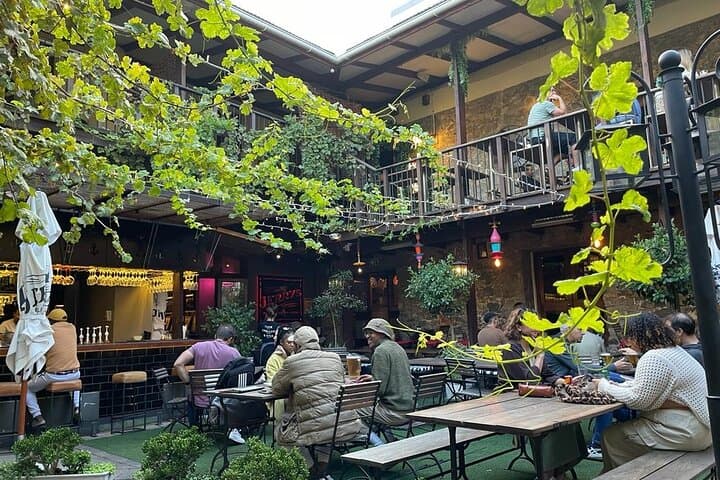
Geology shows itself in Table Mountain’s hard sandstone edge and the shallow bay that invited ships and trade. Culture is audible in street languages, in Cape Malay flavours at snack stops, and in apartheid-era architecture that still marks social boundaries. The tour pauses at rooftop green spaces, Art Deco buildings, and a courtyard with the city’s oldest grapevine—small anchors of local memory.
Practicalities: the itinerary covers roughly 3.5 km over about four hours with regular stops for storytelling and photos. The pace is easy but expect some pavement, short stair sections and sun exposure. Bring a water bottle, sun protection, comfortable shoes and a light layer for seaside wind. Public transport and taxis connect easily to the Waterfront; tours run rain-or-shine but have a 24‑hour cancellation window.
This is a contextual walk—less a checklist of monuments than a guided primer on Cape Town’s contested geography. It’s ideal for curious travelers who want history threaded into the streets they’re walking, with plenty of vantage points for photography and local flavor.
easy.
4 hours.
Suitable for most fitness levels; you should be comfortable walking 3–4 km over several hours with intermittent stops.
The tour lasts about four hours and covers roughly 3.5 km with multiple stops for storytelling and views.
The walk is rated easy and stroller-accessible in parts, but it includes some stairs and uneven pavement—contact the operator for specific accessibility needs.
The guiding fee covers the storytelling; stops for drinks or snacks are optional and paid for by participants.
Full refunds are available if you cancel at least 24 hours before the scheduled departure; last-minute cancellations are not refundable.
The Foreshore was reclaimed from Table Bay in the 20th century, reshaping Cape Town’s harbor; earlier colonial settlement began with the Dutch East India Company in the 17th century.
Cape Town manages urban green spaces and marine areas to protect biodiversity; visitors are encouraged to minimize litter and respect protected sites and marine life.
LocalPlaces operates guided outdoor trips and adventures with an emphasis on safety, stewardship, and memorable experiences.

You meet at Ginja Restaurant on the V&A Waterfront with salt on the air and Table Mountain rising like an old, stony presence above the harbor.
You meet at Ginja Restaurant on the V&A Waterfront with salt on the air and Table Mountain rising like an old, stony presence above the harbor.
The guide opens with a map of time: the 1870s Industrial Revolution, British expansion and the Foreshore land reclamation that remade Cape Town’s shoreline. As you walk the Canal District and Battery Park the city’s layers unfold—Dutch East India Company gardens turned Victorian park, modernist foreshore blocks, and the riot of color in Bo-Kaap across the bay.
Geology shows itself in Table Mountain’s hard sandstone edge and the shallow bay that invited ships and trade. Culture is audible in street languages, in Cape Malay flavours at snack stops, and in apartheid-era architecture that still marks social boundaries. The tour pauses at rooftop green spaces, Art Deco buildings, and a courtyard with the city’s oldest grapevine—small anchors of local memory.
Practicalities: the itinerary covers roughly 3.5 km over about four hours with regular stops for storytelling and photos. The pace is easy but expect some pavement, short stair sections and sun exposure. Bring a water bottle, sun protection, comfortable shoes and a light layer for seaside wind. Public transport and taxis connect easily to the Waterfront; tours run rain-or-shine but have a 24‑hour cancellation window.
This is a contextual walk—less a checklist of monuments than a guided primer on Cape Town’s contested geography. It’s ideal for curious travelers who want history threaded into the streets they’re walking, with plenty of vantage points for photography and local flavor.