THE ADVENTURE COLLECTIVE® · Independent discovery and booking for outdoor travel

Spend a day with an expert birder from Kirstenbosch’s few habitats to the prolific Strandfontein wetlands. Expect concentrated species counts, private transport, and insider knowledge of Cape Town’s fynbos and shorebird hotspots.
Spend a day with an expert birder from Kirstenbosch’s few habitats to the prolific Strandfontein wetlands. Expect concentrated species counts, private transport, and insider knowledge of Cape Town’s fynbos and shorebird hotspots.
A cool Atlantic morning lifts over the slopes of Table Mountain as your guide meets you at your accommodation and the city slips away behind the vehicle’s window. You step out at Kirstenbosch National Botanical Garden where fynbos brushes the trail and Cape Sugarbirds flit like punctuation marks in the scrub. The guide scans treetops; a crested flycatcher darts, raptors quarter the thermals, and the Boomslang canopy walkway offers an overhead view into the garden’s living layers.
Verified experiences and guided adventures in the surrounding area.
Operated by Alfies Adventures · Cape Town, Western Cape
A cool Atlantic morning lifts over the slopes of Table Mountain as your guide meets you at your accommodation and the city slips away behind the vehicle’s window. You step out at Kirstenbosch National Botanical Garden where fynbos brushes the trail and Cape Sugarbirds flit like punctuation marks in the scrub. The guide scans treetops; a crested flycatcher darts, raptors quarter the thermals, and the Boomslang canopy walkway offers an overhead view into the garden’s living layers.
Kirstenbosch was established in 1913 to protect the unique Cape Floristic Region—one of the world’s six floral kingdoms—so much of the trip is as much about plants as birds. Afternoon drives take you to Strandfontein Sewage Works, a surprisingly productive wetland where waders and gulls turn open water into a moving classroom; some days more than 80 species are recorded in a couple of hours. The route traces Cape Town’s edge-of-continent geology: granite ridges, coastal sands and reclaimed tidal pans that attract both seabirds and freshwater specialists.
Practically speaking, this is a full-day, private tour: expect door-to-door pickup, an air-conditioned vehicle, bottled water and snacks. Mornings reward early starts and quiet voices; binoculars and a field guide make sightings stick. Respect nesting areas, follow your guide’s spotting rhythm, and plan lunch in town between sites. For anyone wanting concentrated birding without self-navigation, the mix of botanical habitats and managed wetlands delivers high-value, low-effort birding in and around Cape Town.
easy.
8 hours.
Suitable for all fitness levels; moderate walking on groomed garden paths and short roadside stops.
Binoculars improve the experience; guides sometimes have loaner optics but bringing your own guarantees consistent quality.
Yes — the tour is rated easy with short walks and vehicle-based birding, but mention mobility needs when booking for tailored pickup and pacing.
Common targets include Cape Sugarbird, Orange-breasted Sunbird, Blue-mantled Crested Flycatcher, various raptors and a wide mix of wetland waders and gulls at Strandfontein.
No — there is a break for lunch at your own expense; the guide will suggest local cafés near the sites.
Kirstenbosch was founded in 1913 to preserve the Cape’s unique flora; the region is part of the Cape Floristic Region, a UNESCO-recognized biodiversity hotspot.
Fynbos is fire-adapted but fragile—stay on paths, avoid picking plants, and follow the guide’s instructions to reduce disturbance to nesting birds and wetland habitats.
Alfies Adventures operates guided outdoor trips and adventures with an emphasis on safety, stewardship, and memorable experiences.
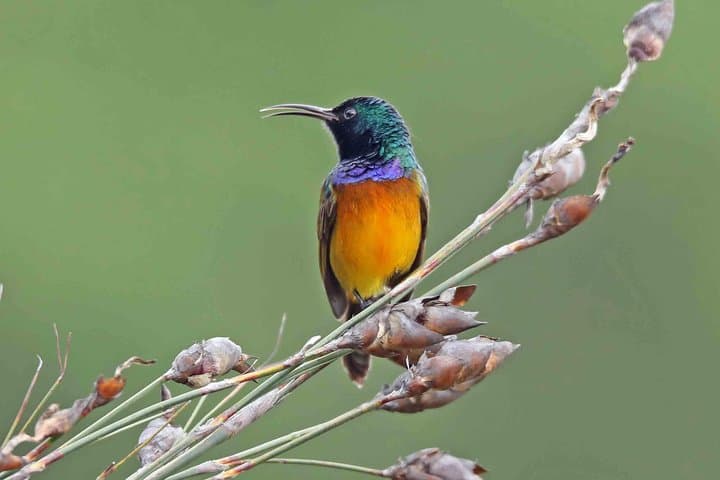
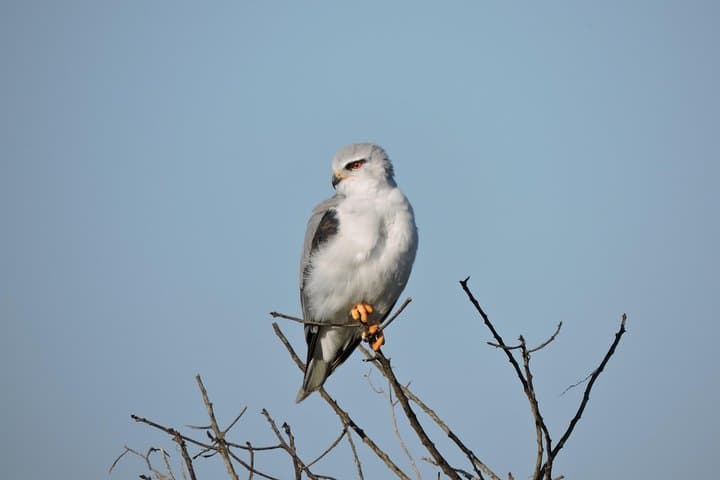
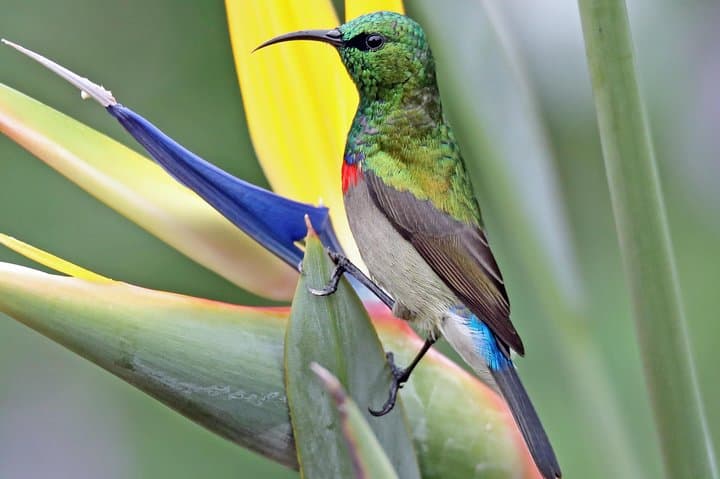
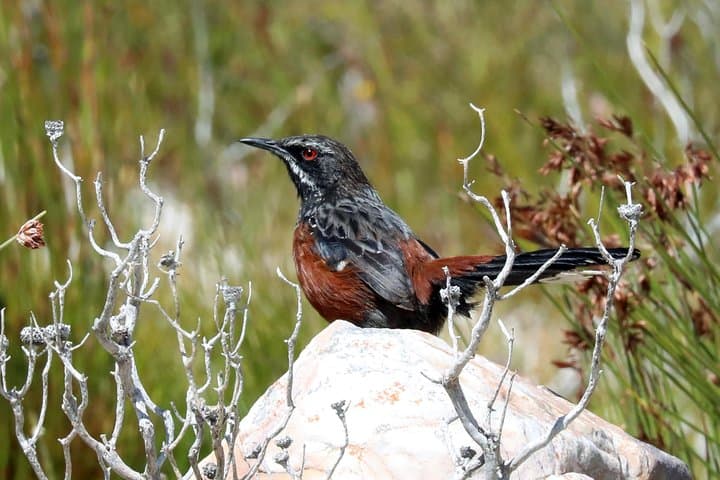
A cool Atlantic morning lifts over the slopes of Table Mountain as your guide meets you at your accommodation and the city slips away behind the vehicle’s window. You step out at Kirstenbosch National Botanical Garden where fynbos brushes the trail and Cape Sugarbirds flit like punctuation marks in the scrub. The guide scans treetops; a crested flycatcher darts, raptors quarter the thermals, and the Boomslang canopy walkway offers an overhead view into the garden’s living layers.
A cool Atlantic morning lifts over the slopes of Table Mountain as your guide meets you at your accommodation and the city slips away behind the vehicle’s window. You step out at Kirstenbosch National Botanical Garden where fynbos brushes the trail and Cape Sugarbirds flit like punctuation marks in the scrub. The guide scans treetops; a crested flycatcher darts, raptors quarter the thermals, and the Boomslang canopy walkway offers an overhead view into the garden’s living layers.
Kirstenbosch was established in 1913 to protect the unique Cape Floristic Region—one of the world’s six floral kingdoms—so much of the trip is as much about plants as birds. Afternoon drives take you to Strandfontein Sewage Works, a surprisingly productive wetland where waders and gulls turn open water into a moving classroom; some days more than 80 species are recorded in a couple of hours. The route traces Cape Town’s edge-of-continent geology: granite ridges, coastal sands and reclaimed tidal pans that attract both seabirds and freshwater specialists.
Practically speaking, this is a full-day, private tour: expect door-to-door pickup, an air-conditioned vehicle, bottled water and snacks. Mornings reward early starts and quiet voices; binoculars and a field guide make sightings stick. Respect nesting areas, follow your guide’s spotting rhythm, and plan lunch in town between sites. For anyone wanting concentrated birding without self-navigation, the mix of botanical habitats and managed wetlands delivers high-value, low-effort birding in and around Cape Town.