THE ADVENTURE COLLECTIVE® · Independent discovery and booking for outdoor travel

Ride beyond the postcard views of Cape Town on a guided bicycle tour through a local township. Expect market lanes, a sangoma performance, a creche visit (weekdays), and lunch at a community restaurant while supporting a local NGO.
Ride beyond the postcard views of Cape Town on a guided bicycle tour through a local township. Expect market lanes, a sangoma performance, a creche visit (weekdays), and lunch at a community restaurant while supporting a local NGO.
The first pedal stroke pulls you out of the tourist map and into the rhythm of a Cape Town township: children waving, market stalls calling, a sangoma’s drum keeping time. Wind from False Bay cuts across low roofs and the city’s granite backbone—Table Mountain—watches from the west, while the flats underfoot tell a different geological story of windblown sands and reclaimed land.
Verified experiences and guided adventures in the surrounding area.
Operated by AWOL Tours · Cape Town, Western Cape
The first pedal stroke pulls you out of the tourist map and into the rhythm of a Cape Town township: children waving, market stalls calling, a sangoma’s drum keeping time. Wind from False Bay cuts across low roofs and the city’s granite backbone—Table Mountain—watches from the west, while the flats underfoot tell a different geological story of windblown sands and reclaimed land.
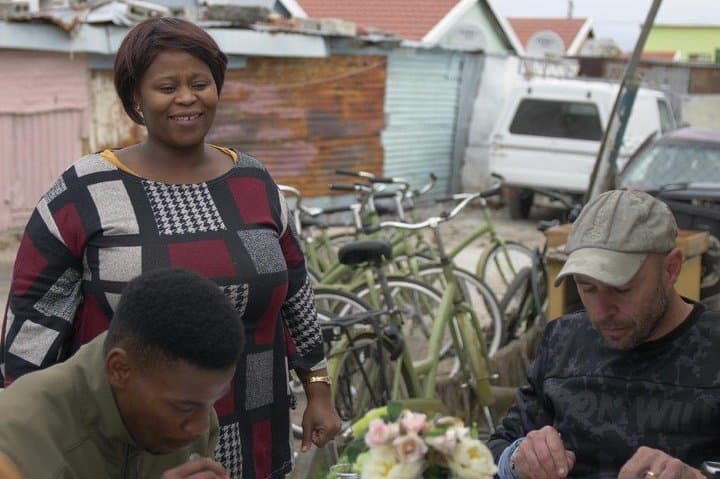
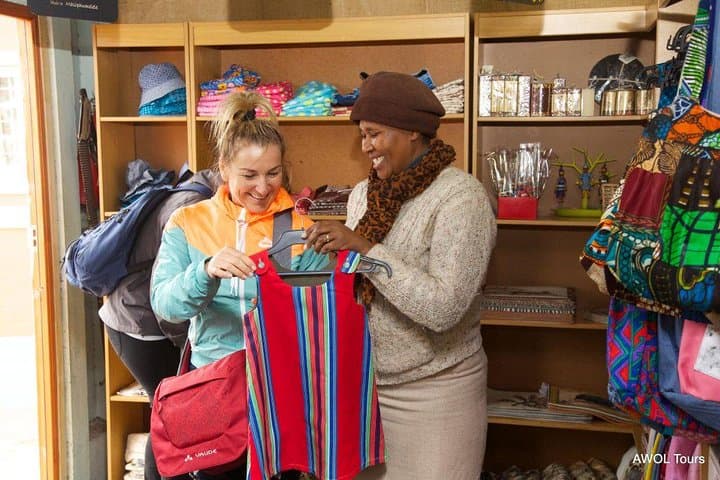
Township cycling tours trace threads of recent South African history—spatial segregation from the apartheid era and the community-led life that followed. Guides often explain the role of traditional healers, the importance of local creches, and neighborhood enterprises like Nongoloza’s or Nonny’s where lunch is served. En route you might glimpse murals, community projects, and the pragmatic architecture shaped by limited resources.
On a practical level expect a 3–4 hour outing on relatively flat urban streets with occasional short rises; the terrain is paved or compacted road, not singletrack. The pace is conversational but steady—bring water and a light jacket for coastal wind. Creche visits usually occur on weekdays; photography is welcome but ask first. The tour includes a bike and helmet, local guide, and lunch; 10% of proceeds support Masicorp, a local NGO.
Safety is straightforward: obey the guide, keep to group formations, and lock your bike when stopped. Plan for morning light or late-afternoon warmth to avoid the strongest sun. This ride is less about speed and more about connection—streets that insist you slow down and notice the real city beyond the postcard skyline.
moderate.
3–4 hours.
Requires moderate fitness—comfortable on city streets for several hours with short climbs and stops.
Yes—hotel pickup and drop-off can be included if you choose that option when booking; otherwise meet at the start point.
Children are welcome but must be accompanied by an adult; consider the 3–4 hour duration and urban traffic when assessing suitability.
A moderate level of fitness is recommended: you should be comfortable cycling for several hours on paved streets with short stops and occasional walking of the bike.
Yes—use of bicycle and helmet are included in the tour price.
Townships around Cape Town were expanded under apartheid’s segregation policies; contemporary tours focus on community life and local initiatives that emerged afterward.
Tours encourage respectful interaction—avoid handing out sweets or money to individuals and consider donating to Masicorp to support local education and housing programs.
AWOL Tours operates guided outdoor trips and adventures with an emphasis on safety, stewardship, and memorable experiences.
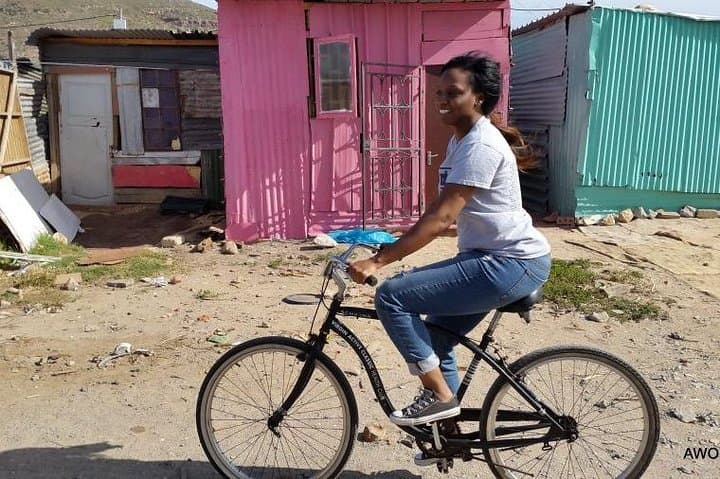
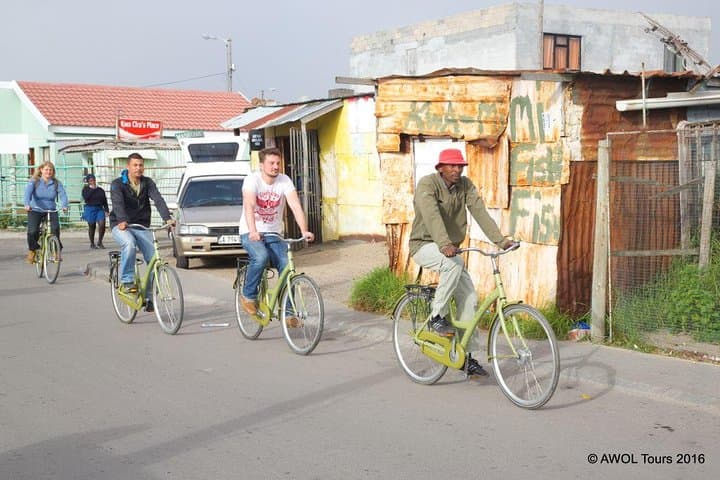
The first pedal stroke pulls you out of the tourist map and into the rhythm of a Cape Town township: children waving, market stalls calling, a sangoma’s drum keeping time. Wind from False Bay cuts across low roofs and the city’s granite backbone—Table Mountain—watches from the west, while the flats underfoot tell a different geological story of windblown sands and reclaimed land.
The first pedal stroke pulls you out of the tourist map and into the rhythm of a Cape Town township: children waving, market stalls calling, a sangoma’s drum keeping time. Wind from False Bay cuts across low roofs and the city’s granite backbone—Table Mountain—watches from the west, while the flats underfoot tell a different geological story of windblown sands and reclaimed land.
Township cycling tours trace threads of recent South African history—spatial segregation from the apartheid era and the community-led life that followed. Guides often explain the role of traditional healers, the importance of local creches, and neighborhood enterprises like Nongoloza’s or Nonny’s where lunch is served. En route you might glimpse murals, community projects, and the pragmatic architecture shaped by limited resources.
On a practical level expect a 3–4 hour outing on relatively flat urban streets with occasional short rises; the terrain is paved or compacted road, not singletrack. The pace is conversational but steady—bring water and a light jacket for coastal wind. Creche visits usually occur on weekdays; photography is welcome but ask first. The tour includes a bike and helmet, local guide, and lunch; 10% of proceeds support Masicorp, a local NGO.
Safety is straightforward: obey the guide, keep to group formations, and lock your bike when stopped. Plan for morning light or late-afternoon warmth to avoid the strongest sun. This ride is less about speed and more about connection—streets that insist you slow down and notice the real city beyond the postcard skyline.