THE ADVENTURE COLLECTIVE® · Independent discovery and booking for outdoor travel

Skip the taxi lines and step into a waiting seven‑seater at Cape Town International: meet‑and‑greet service, bottled water and Wi‑Fi make for a quiet, reliable run to the city. Learn what to expect, how long the drive takes, and simple tips to smooth your arrival.
Skip the taxi lines and step into a waiting seven‑seater at Cape Town International: meet‑and‑greet service, bottled water and Wi‑Fi make for a quiet, reliable run to the city. Learn what to expect, how long the drive takes, and simple tips to smooth your arrival.
You step through the arrival gate, jetlagged and watchful, and there’s a driver in a crisp uniform holding a card with your name. The air smells of sea and diesel; outside, the low ridge of Table Mountain sits patient beyond the runways. A Toyota Rumion or similar seven‑seater waits — air conditioning on, bottled water at hand, and the map already queued on the driver’s phone.
Verified experiences and guided adventures in the surrounding area.
Operated by Azhar Mr Stanley · Cape Town, Western Cape
You step through the arrival gate, jetlagged and watchful, and there’s a driver in a crisp uniform holding a card with your name. The air smells of sea and diesel; outside, the low ridge of Table Mountain sits patient beyond the runways. A Toyota Rumion or similar seven‑seater waits — air conditioning on, bottled water at hand, and the map already queued on the driver’s phone.
Cape Town International has been the primary gateway to the Western Cape since the mid‑20th century; the roads linking the airport to the city follow routes used for coastal trade and development. Geologically, the drive gives quick glimpses of Cape Town’s signature features — Table Mountain’s sandstone bulk to the south and the low, wind‑sculpted dunes toward Blaauwberg in the north. Culturally, the transfer introduces travelers to the city’s pace: polite, punctual drivers, an emphasis on safety, and English and Afrikaans commonly spoken.
Practically, private airport transfers remove the unpredictability of taxi queues and load shedding concerns on public routes. Expect a door‑to‑door run of roughly 20–40 minutes to central Cape Town depending on traffic; routes favor the N2 or M3 for reliability. Drivers typically provide meet‑and‑greet, infant seats on request, onboard Wi‑Fi, and a quiet ride that accommodates luggage for up to seven passengers.
Bring identification and your flight details, confirm your meeting point ahead of time, and allow extra time during rush hours or public holidays. For first‑time visitors, a private transfer is a simple, low‑stress way to start a Cape Town trip — practical, secure, and focused on a smooth handoff from air to ground.
easy.
45 minutes.
Suitable for all fitness levels; minimal mobility required for boarding a standard vehicle
Drivers typically wait in the arrivals hall or just outside the baggage claim with a nameboard — confirm the exact meeting point and terminal in your booking confirmation.
The listed Toyota Rumion style seven‑seater is designed for up to seven passengers with moderate luggage; larger groups or oversized bags may require a minivan or multiple vehicles.
Yes — infant and child seats are generally available on request; reserve them when booking to ensure availability and compliance with local safety standards.
Full refunds are usually available if you cancel at least 24 hours before the scheduled pickup; check your booking terms for exact timing and policies.
The airport has been the Western Cape’s international gateway since the mid‑20th century and sits along coastal corridors that supported maritime trade and settlement.
Operators in the region increasingly focus on fuel‑efficient routing and reduced idling to cut emissions; travelers are encouraged to minimize waste and respect nearby fynbos habitats.
Azhar Mr Stanley operates guided outdoor trips and adventures with an emphasis on safety, stewardship, and memorable experiences.
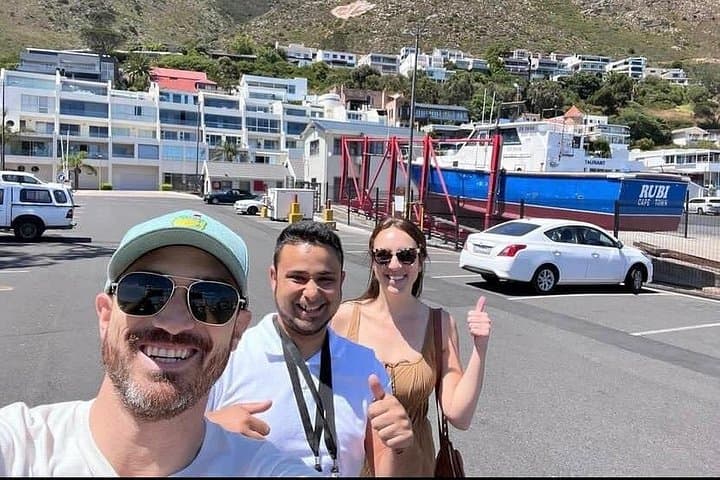

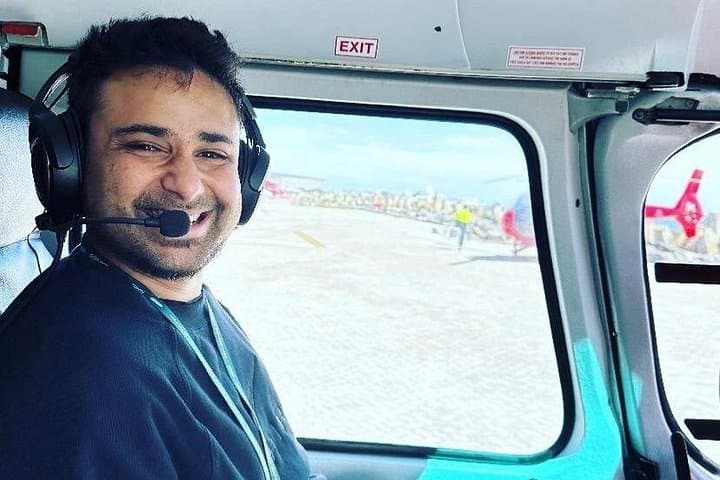
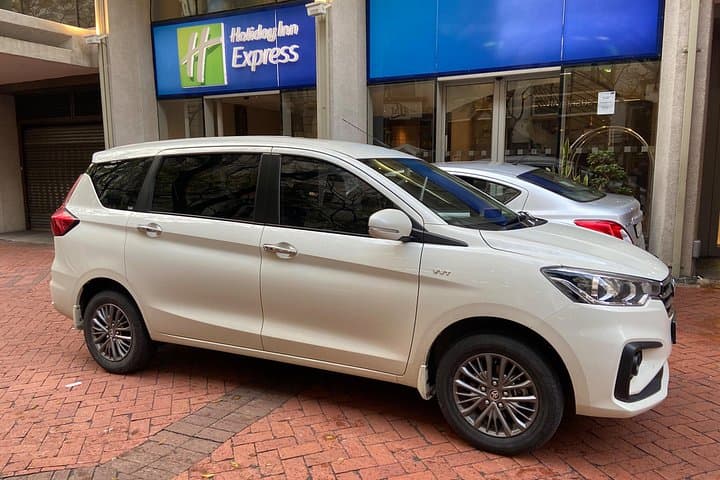
You step through the arrival gate, jetlagged and watchful, and there’s a driver in a crisp uniform holding a card with your name. The air smells of sea and diesel; outside, the low ridge of Table Mountain sits patient beyond the runways. A Toyota Rumion or similar seven‑seater waits — air conditioning on, bottled water at hand, and the map already queued on the driver’s phone.
You step through the arrival gate, jetlagged and watchful, and there’s a driver in a crisp uniform holding a card with your name. The air smells of sea and diesel; outside, the low ridge of Table Mountain sits patient beyond the runways. A Toyota Rumion or similar seven‑seater waits — air conditioning on, bottled water at hand, and the map already queued on the driver’s phone.
Cape Town International has been the primary gateway to the Western Cape since the mid‑20th century; the roads linking the airport to the city follow routes used for coastal trade and development. Geologically, the drive gives quick glimpses of Cape Town’s signature features — Table Mountain’s sandstone bulk to the south and the low, wind‑sculpted dunes toward Blaauwberg in the north. Culturally, the transfer introduces travelers to the city’s pace: polite, punctual drivers, an emphasis on safety, and English and Afrikaans commonly spoken.
Practically, private airport transfers remove the unpredictability of taxi queues and load shedding concerns on public routes. Expect a door‑to‑door run of roughly 20–40 minutes to central Cape Town depending on traffic; routes favor the N2 or M3 for reliability. Drivers typically provide meet‑and‑greet, infant seats on request, onboard Wi‑Fi, and a quiet ride that accommodates luggage for up to seven passengers.
Bring identification and your flight details, confirm your meeting point ahead of time, and allow extra time during rush hours or public holidays. For first‑time visitors, a private transfer is a simple, low‑stress way to start a Cape Town trip — practical, secure, and focused on a smooth handoff from air to ground.