THE ADVENTURE COLLECTIVE® · Independent discovery and booking for outdoor travel

A 10-day coastal trek from Accra to Ghana’s southernmost tip, blending shoreline hikes, mangrove canoeing, cultural exchanges and stays at eco-lodges. Expect varied terrain, village visits, and hands-on sustainable tourism experiences.
A 10-day coastal trek from Accra to Ghana’s southernmost tip, blending shoreline hikes, mangrove canoeing, cultural exchanges and stays at eco-lodges. Expect varied terrain, village visits, and hands-on sustainable tourism experiences.
You arrive on a humid morning as the Atlantic edges toward the beach—waves tapping like a clock—and the path to Cape Three Points opens under sun and scrub. The trek moves through coconut-lined coast, through sleepy fishing villages where nets dry in the sand, and into stands of mangrove that scent the air with brackish earth.
Verified experiences and guided adventures in the surrounding area.
Operated by MJ Travel and Tours · Butre, Western Region
You arrive on a humid morning as the Atlantic edges toward the beach—waves tapping like a clock—and the path to Cape Three Points opens under sun and scrub. The trek moves through coconut-lined coast, through sleepy fishing villages where nets dry in the sand, and into stands of mangrove that scent the air with brackish earth.
This route threads colonial landmarks—Elmina Castle and century-old lighthouses—into daily life: canoe makers, fishermen, and eco-lodge hosts who maintain centuries-old coastal knowledge. Geologically, the shore is low-lying coastal plain cut by estuaries and mangrove channels, and the lighthouse marks Ghana’s southernmost peninsular tip where currents meet and weather can shift fast.
Culturally the trip balances active days—hiking, a surf lesson, mangrove canoeing—with hands-on exchanges: a cooking class, village visits and eco-village tours that highlight local conservation practices. Expect simple lodges and mornings that begin with birdsong and flour-dusted kitchens.
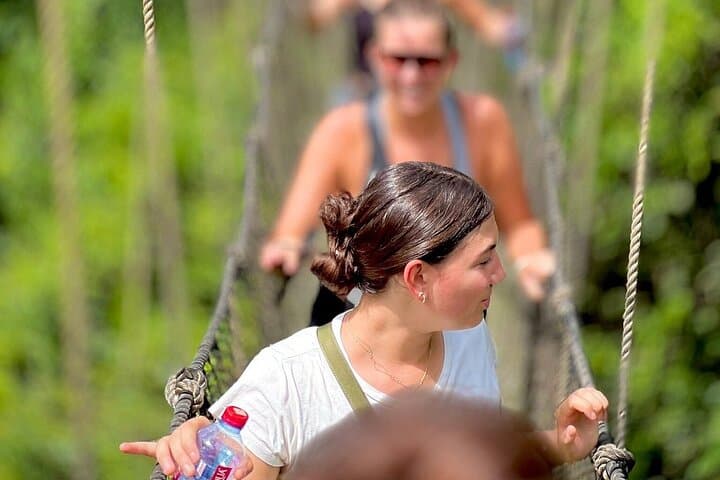
Practically: hikes are coastal, largely untechnical but occasionally muddy after rain; trail surfaces range from sandy beaches to compacted dirt tracks with short, vegetated climbs. Bring reef-safe sunscreen, a good pair of trail shoes with grip, a dry bag for sea days and a reusable water bottle. Start hikes early to avoid midday heat, carry insect protection for mangrove stretches, and budget time for slow village interactions—this itinerary rewards patience as much as stamina.
moderate.
10 days.
Moderate endurance—able to walk 4–6 miles per day on mixed terrain and handle full days of activities with some rest.
The itinerary is rated moderate: daily walks of a few hours with occasional climbs, plus optional surf and canoe activities—regular walkers and broadly active travelers should be comfortable.
Travelers to Ghana typically need a visa and routine vaccinations; yellow fever vaccination is strongly recommended and sometimes required—check current embassy guidance before travel.
Accommodations are eco-lodges and beachfront resorts—simple, locally run properties focused on sustainability rather than luxury.
Yes, the tour operates with guides and group logistics; solo travelers should follow local advice, avoid walking alone at night, and secure valuables.
Elmina Castle and nearby forts date to early European trade on the Gold Coast and are central to the region’s colonial history; Cape Three Points’ lighthouse guided navigation for decades.
Local eco-lodges participate in mangrove restoration and community-led waste reduction; visitors are encouraged to use reef-safe sunscreen and minimize single-use plastics.
MJ Travel and Tours operates guided outdoor trips and adventures with an emphasis on safety, stewardship, and memorable experiences.
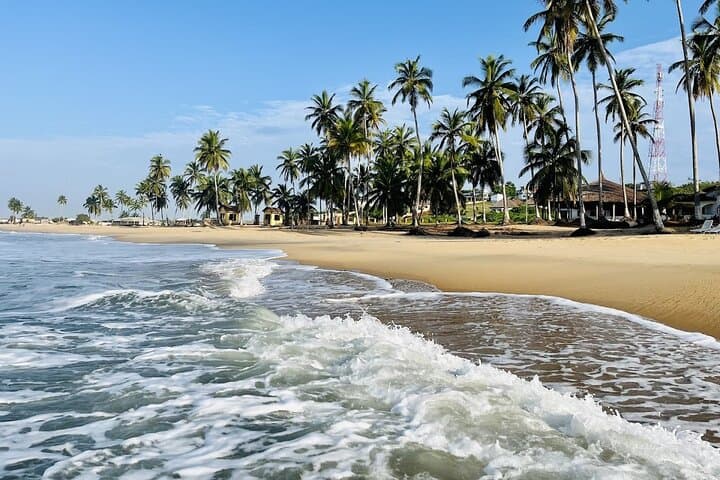
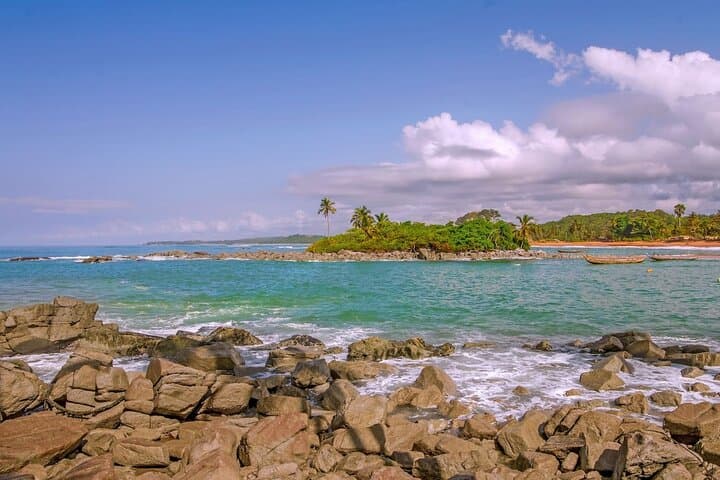
You arrive on a humid morning as the Atlantic edges toward the beach—waves tapping like a clock—and the path to Cape Three Points opens under sun and scrub. The trek moves through coconut-lined coast, through sleepy fishing villages where nets dry in the sand, and into stands of mangrove that scent the air with brackish earth.
You arrive on a humid morning as the Atlantic edges toward the beach—waves tapping like a clock—and the path to Cape Three Points opens under sun and scrub. The trek moves through coconut-lined coast, through sleepy fishing villages where nets dry in the sand, and into stands of mangrove that scent the air with brackish earth.
This route threads colonial landmarks—Elmina Castle and century-old lighthouses—into daily life: canoe makers, fishermen, and eco-lodge hosts who maintain centuries-old coastal knowledge. Geologically, the shore is low-lying coastal plain cut by estuaries and mangrove channels, and the lighthouse marks Ghana’s southernmost peninsular tip where currents meet and weather can shift fast.
Culturally the trip balances active days—hiking, a surf lesson, mangrove canoeing—with hands-on exchanges: a cooking class, village visits and eco-village tours that highlight local conservation practices. Expect simple lodges and mornings that begin with birdsong and flour-dusted kitchens.
Practically: hikes are coastal, largely untechnical but occasionally muddy after rain; trail surfaces range from sandy beaches to compacted dirt tracks with short, vegetated climbs. Bring reef-safe sunscreen, a good pair of trail shoes with grip, a dry bag for sea days and a reusable water bottle. Start hikes early to avoid midday heat, carry insect protection for mangrove stretches, and budget time for slow village interactions—this itinerary rewards patience as much as stamina.