THE ADVENTURE COLLECTIVE® · Independent discovery and booking for outdoor travel

Drive the coastal road from Athens to Cape Sounion and stand atop the promontory where the Temple of Poseidon watches the Aegean. This private shore excursion delivers dramatic sea views, compact archaeology, and a nearby warm lake for a refreshing finish.
Drive the coastal road from Athens to Cape Sounion and stand atop the promontory where the Temple of Poseidon watches the Aegean. This private shore excursion delivers dramatic sea views, compact archaeology, and a nearby warm lake for a refreshing finish.
You pull away from Athens along the coastal road as the city thins and the Aegean opens to your right, the sea daring you to look further than the harbor. After about 1.5 hours the road climbs a low promontory and the ruins of the Temple of Poseidon appear, high above the glittering water—white marble columns set like punctuation against an endless blue.
Verified experiences and guided adventures in the surrounding area.
Operated by Tours of Athens · Cape Sounion, Attica
You pull away from Athens along the coastal road as the city thins and the Aegean opens to your right, the sea daring you to look further than the harbor. After about 1.5 hours the road climbs a low promontory and the ruins of the Temple of Poseidon appear, high above the glittering water—white marble columns set like punctuation against an endless blue.
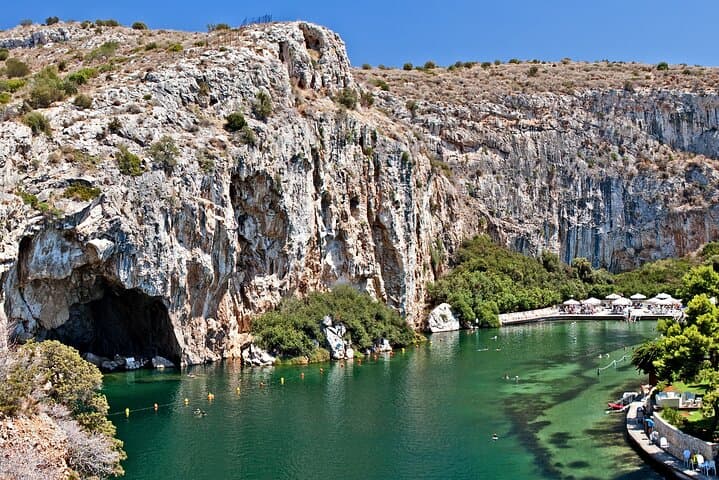
This headland has been a landmark since antiquity. The 5th‑century BCE temple honors Poseidon and marks a dramatic geological boundary where uplifted limestone shelves fall away into the sea; the site sits roughly 70–72 meters above sea level. Local lore ties the cape to King Aegeas and the naming of the Aegean Sea, while nearby Lake Vouliagmeni—fed by underground springs—offers a warm, brackish contrast to the open sea with an average temperature near 24°C.
Expect a short, focused visit: walking across uneven stone, a handful of steps to reach vantage points, and broad panoramas for photography and sunsets. The excursion typically uses a private air‑conditioned vehicle; the driver provides transport and basic info but does not escort guests through archaeological sites, and admission is usually not included.
Practical guidance: go late afternoon for softer light and fewer crowds, bring sturdy shoes for rocky paths, sun protection and water, and a light layer for the breeze after sundown. If you plan to dip in Vouliagmeni, bring swimwear and a towel; the lake’s warm waters are year‑round. Mobility can be accommodated to the parking area but expect uneven surfaces once you approach the temple.
easy.
4–5 hours.
Minimal fitness required — able to walk short distances on uneven ground and climb a few steps.
The ride along the coastal and national roads is about 1.5 hours each way from central Athens, depending on traffic.
Admission is typically not included in private transfer rates; check your booking details or bring cash/cards for ticket purchase.
Drivers usually remain with the vehicle; this tour lists an English‑speaking driver who does not escort guests into sites.
Transport to the parking area is wheelchair accessible, but the archaeological area has uneven terrain and steps that may limit access.
The Temple of Poseidon dates to the 5th century BCE and served as a ritual and navigational landmark for ancient mariners and Athenians.
The site is protected as an archaeological zone; stick to marked paths, avoid climbing on ruins, and minimize single‑use plastics to reduce local impact.
Tours of Athens operates guided outdoor trips and adventures with an emphasis on safety, stewardship, and memorable experiences.


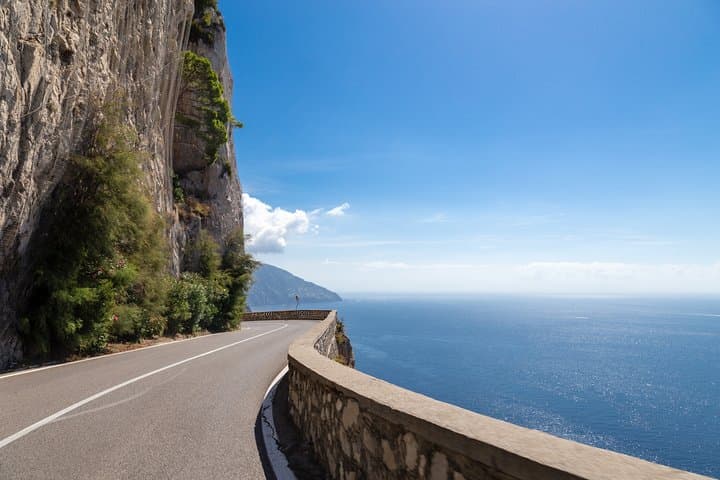
You pull away from Athens along the coastal road as the city thins and the Aegean opens to your right, the sea daring you to look further than the harbor. After about 1.5 hours the road climbs a low promontory and the ruins of the Temple of Poseidon appear, high above the glittering water—white marble columns set like punctuation against an endless blue.
You pull away from Athens along the coastal road as the city thins and the Aegean opens to your right, the sea daring you to look further than the harbor. After about 1.5 hours the road climbs a low promontory and the ruins of the Temple of Poseidon appear, high above the glittering water—white marble columns set like punctuation against an endless blue.
This headland has been a landmark since antiquity. The 5th‑century BCE temple honors Poseidon and marks a dramatic geological boundary where uplifted limestone shelves fall away into the sea; the site sits roughly 70–72 meters above sea level. Local lore ties the cape to King Aegeas and the naming of the Aegean Sea, while nearby Lake Vouliagmeni—fed by underground springs—offers a warm, brackish contrast to the open sea with an average temperature near 24°C.
Expect a short, focused visit: walking across uneven stone, a handful of steps to reach vantage points, and broad panoramas for photography and sunsets. The excursion typically uses a private air‑conditioned vehicle; the driver provides transport and basic info but does not escort guests through archaeological sites, and admission is usually not included.
Practical guidance: go late afternoon for softer light and fewer crowds, bring sturdy shoes for rocky paths, sun protection and water, and a light layer for the breeze after sundown. If you plan to dip in Vouliagmeni, bring swimwear and a towel; the lake’s warm waters are year‑round. Mobility can be accommodated to the parking area but expect uneven surfaces once you approach the temple.