THE ADVENTURE COLLECTIVE® · Independent discovery and booking for outdoor travel

Drive the seaboard from Cape Town to the Cape of Good Hope, pause at Chapman's Peak and watch African penguins at Boulders Beach. This private full-day tour combines coastal drives, short hikes and wildlife viewing with local culture in Hout Bay and Simons Town.
Drive the seaboard from Cape Town to the Cape of Good Hope, pause at Chapman's Peak and watch African penguins at Boulders Beach. This private full-day tour combines coastal drives, short hikes and wildlife viewing with local culture in Hout Bay and Simons Town.
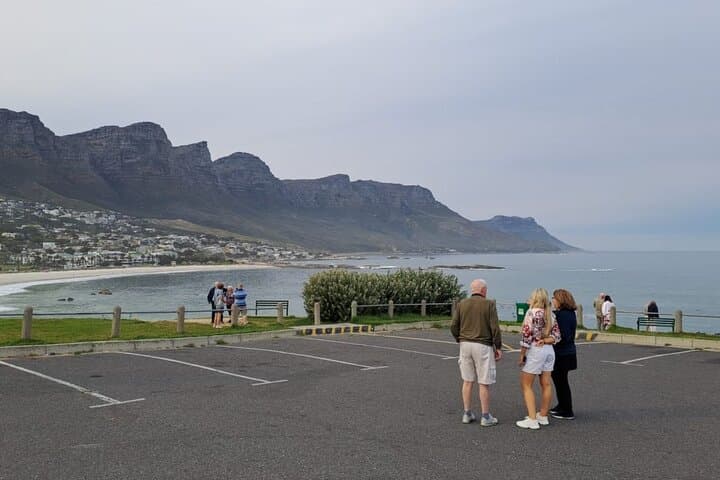
A salt-laced wind pushes across the windshield as the van peels away from Cape Town, the Twelve Apostles folding into the distance and the ocean opening like a handrail to the horizon. The drive along the Atlantic seaboard moves from glinting surf to cliff-scraped roadways, stopping at Chapman's Peak for a viewpoint that frames the raw edge where mountain meets sea.
Verified experiences and guided adventures in the surrounding area.
Operated by African Wildcats Travel · Cape Town, Western Cape
A salt-laced wind pushes across the windshield as the van peels away from Cape Town, the Twelve Apostles folding into the distance and the ocean opening like a handrail to the horizon. The drive along the Atlantic seaboard moves from glinting surf to cliff-scraped roadways, stopping at Chapman's Peak for a viewpoint that frames the raw edge where mountain meets sea.
The route threads through Hout Bay and Simons Town, zones shaped by maritime history: whalers, colonial waypoints and strategic lighthouses. Geologically, the Cape Peninsula is ancient sandstone above folded Table Mountain strata; you’ll see granite outcrops and fynbos—South Africa’s fire-adapted shrubland—supporting hundreds of endemic plants. Culturally the towns along the route host small craft markets and fishing harbors that reflect local livelihoods.
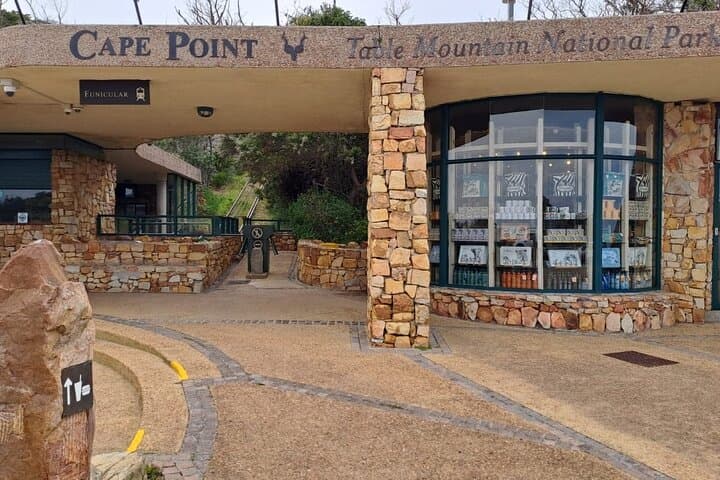
Expect short walks rather than long treks: a 15–30 minute climb or a funicular ride up to the Cape Point lighthouse, flat boardwalks at Boulders Beach to view African penguin colonies, and photo stops at Maidens Cove and Chapman's Peak. Wildlife encounters can be intimate—penguins on the sand, cormorants on rocks, and seals offshore if you opt for the Seal Island boat cruise.
Practical guidance: this is a full-day experience (roughly 7–8 hours). Layered clothing is essential—sun to strong wind in the same hour—plus sturdy shoes for uneven paths. Bring cash or card for lunch and optional boat trips; admission to some protected sites may require fees. The itinerary is family-friendly and largely accessible, but expect brief stair sections and exposed viewpoints. Plan for early pickup and a charged camera: the Cape Peninsula rewards those who arrive with open eyes and sensible gear.
moderate.
7–8 hours.
Suitable for people with average fitness; involves short uphill walks, stairs and standing at viewpoints.
The tour runs roughly 7–8 hours (about 420–480 minutes) and typically departs around 9:00 AM; exact pickup time is confirmed the day before.
Yes—boardwalks and viewing platforms allow close, non-intrusive observation of African penguins; feeding or touching is prohibited.
Yes, the 45-minute Seal Island cruise is optional and usually requires an additional fee payable locally or when booked in advance.
Families are welcome; stroller access is noted for much of the itinerary but expect stairs and short climbs at some viewpoints.
The Cape Peninsula was a key stop for Portuguese and later European navigators; landmarks like the Dias and Vasco da Gama monuments mark early maritime exploration routes.
Many sites lie within protected areas—stick to boardwalks to protect fynbos and nesting penguins, and avoid approaching wildlife to reduce stress on breeding colonies.
African Wildcats Travel operates guided outdoor trips and adventures with an emphasis on safety, stewardship, and memorable experiences.
A salt-laced wind pushes across the windshield as the van peels away from Cape Town, the Twelve Apostles folding into the distance and the ocean opening like a handrail to the horizon. The drive along the Atlantic seaboard moves from glinting surf to cliff-scraped roadways, stopping at Chapman's Peak for a viewpoint that frames the raw edge where mountain meets sea.
A salt-laced wind pushes across the windshield as the van peels away from Cape Town, the Twelve Apostles folding into the distance and the ocean opening like a handrail to the horizon. The drive along the Atlantic seaboard moves from glinting surf to cliff-scraped roadways, stopping at Chapman's Peak for a viewpoint that frames the raw edge where mountain meets sea.
The route threads through Hout Bay and Simons Town, zones shaped by maritime history: whalers, colonial waypoints and strategic lighthouses. Geologically, the Cape Peninsula is ancient sandstone above folded Table Mountain strata; you’ll see granite outcrops and fynbos—South Africa’s fire-adapted shrubland—supporting hundreds of endemic plants. Culturally the towns along the route host small craft markets and fishing harbors that reflect local livelihoods.
Expect short walks rather than long treks: a 15–30 minute climb or a funicular ride up to the Cape Point lighthouse, flat boardwalks at Boulders Beach to view African penguin colonies, and photo stops at Maidens Cove and Chapman's Peak. Wildlife encounters can be intimate—penguins on the sand, cormorants on rocks, and seals offshore if you opt for the Seal Island boat cruise.
Practical guidance: this is a full-day experience (roughly 7–8 hours). Layered clothing is essential—sun to strong wind in the same hour—plus sturdy shoes for uneven paths. Bring cash or card for lunch and optional boat trips; admission to some protected sites may require fees. The itinerary is family-friendly and largely accessible, but expect brief stair sections and exposed viewpoints. Plan for early pickup and a charged camera: the Cape Peninsula rewards those who arrive with open eyes and sensible gear.