THE ADVENTURE COLLECTIVE® · Independent discovery and booking for outdoor travel

Drive a dramatic stretch of South Africa’s Atlantic coast in a private vehicle: Chapman’s Peak, the Cape Point lighthouse, the penguin colony at Boulders Beach, and the canopy trails of Kirstenbosch. This 8‑hour tour pairs geology, wildlife and garden time with practical guidance for timing, gear and conservation.
Drive a dramatic stretch of South Africa’s Atlantic coast in a private vehicle: Chapman’s Peak, the Cape Point lighthouse, the penguin colony at Boulders Beach, and the canopy trails of Kirstenbosch. This 8‑hour tour pairs geology, wildlife and garden time with practical guidance for timing, gear and conservation.
You step into the front seat and the Atlantic unfurls like a living map — slate-blue water slamming into cliffs, gulls feathering the wind, and the coastline tightening into a raw, high-contrast edge where land refuses to go quietly into the sea.
Verified experiences and guided adventures in the surrounding area.
Operated by I & F Elegant Country Tours CC · Cape Town, Western Cape
You step into the front seat and the Atlantic unfurls like a living map — slate-blue water slamming into cliffs, gulls feathering the wind, and the coastline tightening into a raw, high-contrast edge where land refuses to go quietly into the sea.
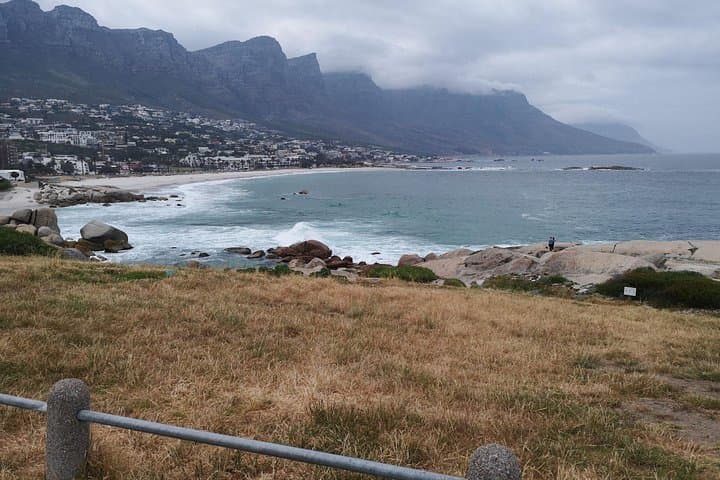
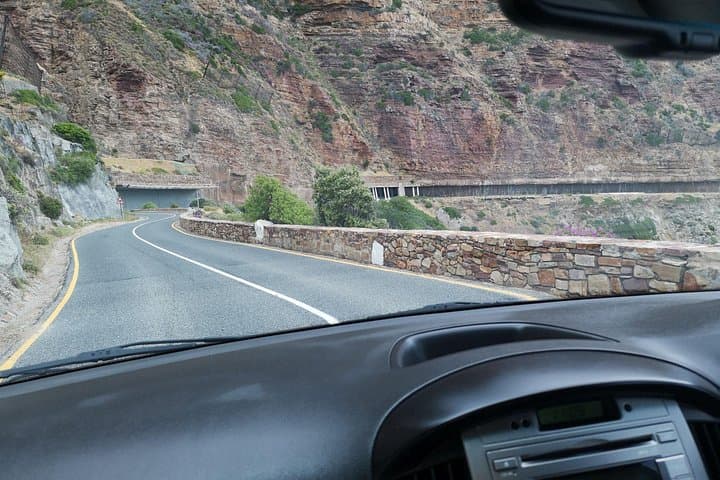
This private day tour from Cape Town strings together some of the Western Cape’s most decisive scenes: a drive down Sea Point and Camps Bay, the cinematic sweep of Chapman’s Peak Drive, the raw cliffs and lighthouse of Cape Point, the waddling colonies at Boulders Beach, and the shaded walkways of Kirstenbosch Botanical Gardens.
Cape Point is geological theater. The peninsula’s dark Table Mountain sandstone folds into cliffs that record millions of years of uplift and erosion; currents around the Cape push and tug as if testing the continent’s patience. The Cape of Good Hope earned a reputation long before modern maps — Portuguese explorers in the 15th century marked it as a turning point for global trade, and today the brazen beacons and rusted shipwrecks whisper that same maritime language.
Cultural notes are close at hand. Drive through Bo-Kaap and you’ll see the Malay Quarter’s painted houses and cobbled streets, a reminder of Cape Town’s layered history — from indigenous Khoi and San peoples to European colonists and the diverse communities who shaped the city. At Boulders Beach, the African penguin, an earnest and endangered local, anchors conservation efforts that balance tourism with habitat protection.
On the practical side, the tour runs about eight hours with multiple short walks. The Cape Point lighthouse walk is steep in places — expect roughly 0.8–1.2 km up and down if you take the path rather than the funicular. The boardwalk at Boulders is an easy 0.5 km loop with low steps. At Kirstenbosch, allow 45–60 minutes to stroll the canopy walkway (approximately 130 m) and sample fynbos species.
Timing matters: leave the city when traffic is light (the tour starts at 09:00) to make the most of daylight and wildlife viewing. Layers and a windproof jacket will keep you comfortable through the coastal gusts; sun and reflection off the ocean make sunscreen and a brimmed hat non-negotiable. Hydrate between stops — bottled water is provided, but carry a refillable bottle if you prefer.
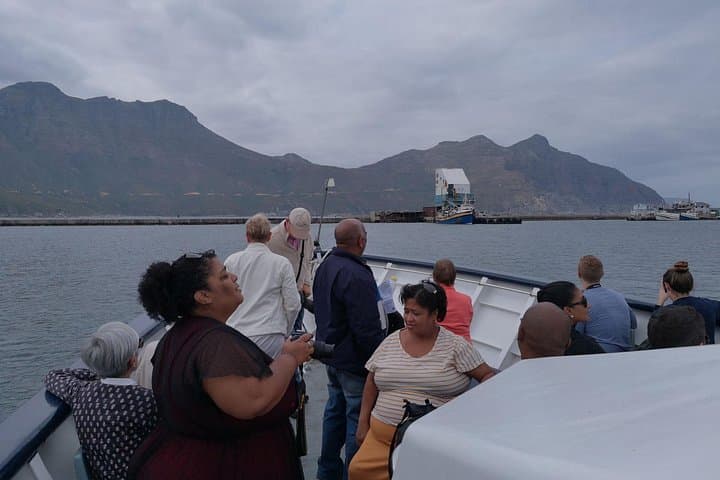
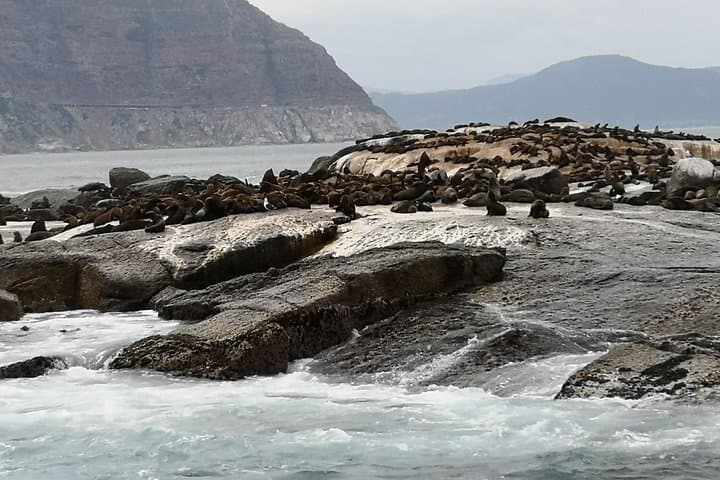
Because this is a private, small-group experience (max 7), guides can tailor stops — take the optional Seal Island boat trip if the sea is calm, or linger for photos on Chapman’s Peak. Respect boardwalk signage, keep a polite distance from penguins and seals, and follow your guide’s advice to protect fragile fynbos and nesting sites. In return you get an efficient, sensory-rich sweep of the Cape’s coastal extremes — dramatic cliffs, playful wildlife, and a green, botanical cooldown to finish the day.
moderate.
8 hours.
Suitable for most travelers who can manage short paved and uneven walks; some steep sections at Cape Point.
Swimming near the penguin colony is allowed where indicated and safe, but conditions vary; your guide will advise on weather and respectful distances to avoid disturbing birds.
Entrance fees to Cape Point are payable per vehicle on entry (approximately the fee listed in booking notes); some optional extras like the funicular or Seal Island boat are extra.
The operator notes wheelchair-accessible options and transport; some viewpoints and boardwalks are accessible but steep Cape Point paths may be challenging—confirm needs at booking.
The funicular is a short cable lift to the old lighthouse viewpoint; it’s optional and helpful if you prefer to avoid the steeper walk uphill.
Guides supply chilled bottled water; bring snacks if you prefer specific dietary needs—there are also cafés at major stops for meals.
This trip is private for your party with a minimum of two and a maximum of seven people per vehicle.
The Cape of Good Hope and Cape Point were key navigational markers for 15th–16th century Portuguese explorers (Diaz, later rounding routes used by da Gama) and shaped global trade routes.
Boulders Beach penguins are part of focused conservation efforts; visitors are urged to stay on paths to protect nesting sites and fynbos habitat in Table Mountain National Park.
I & F Elegant Country Tours CC operates guided outdoor trips and adventures with an emphasis on safety, stewardship, and memorable experiences.
You step into the front seat and the Atlantic unfurls like a living map — slate-blue water slamming into cliffs, gulls feathering the wind, and the coastline tightening into a raw, high-contrast edge where land refuses to go quietly into the sea.
You step into the front seat and the Atlantic unfurls like a living map — slate-blue water slamming into cliffs, gulls feathering the wind, and the coastline tightening into a raw, high-contrast edge where land refuses to go quietly into the sea.
This private day tour from Cape Town strings together some of the Western Cape’s most decisive scenes: a drive down Sea Point and Camps Bay, the cinematic sweep of Chapman’s Peak Drive, the raw cliffs and lighthouse of Cape Point, the waddling colonies at Boulders Beach, and the shaded walkways of Kirstenbosch Botanical Gardens.
Cape Point is geological theater. The peninsula’s dark Table Mountain sandstone folds into cliffs that record millions of years of uplift and erosion; currents around the Cape push and tug as if testing the continent’s patience. The Cape of Good Hope earned a reputation long before modern maps — Portuguese explorers in the 15th century marked it as a turning point for global trade, and today the brazen beacons and rusted shipwrecks whisper that same maritime language.
Cultural notes are close at hand. Drive through Bo-Kaap and you’ll see the Malay Quarter’s painted houses and cobbled streets, a reminder of Cape Town’s layered history — from indigenous Khoi and San peoples to European colonists and the diverse communities who shaped the city. At Boulders Beach, the African penguin, an earnest and endangered local, anchors conservation efforts that balance tourism with habitat protection.
On the practical side, the tour runs about eight hours with multiple short walks. The Cape Point lighthouse walk is steep in places — expect roughly 0.8–1.2 km up and down if you take the path rather than the funicular. The boardwalk at Boulders is an easy 0.5 km loop with low steps. At Kirstenbosch, allow 45–60 minutes to stroll the canopy walkway (approximately 130 m) and sample fynbos species.
Timing matters: leave the city when traffic is light (the tour starts at 09:00) to make the most of daylight and wildlife viewing. Layers and a windproof jacket will keep you comfortable through the coastal gusts; sun and reflection off the ocean make sunscreen and a brimmed hat non-negotiable. Hydrate between stops — bottled water is provided, but carry a refillable bottle if you prefer.
Because this is a private, small-group experience (max 7), guides can tailor stops — take the optional Seal Island boat trip if the sea is calm, or linger for photos on Chapman’s Peak. Respect boardwalk signage, keep a polite distance from penguins and seals, and follow your guide’s advice to protect fragile fynbos and nesting sites. In return you get an efficient, sensory-rich sweep of the Cape’s coastal extremes — dramatic cliffs, playful wildlife, and a green, botanical cooldown to finish the day.