THE ADVENTURE COLLECTIVE® · Independent discovery and booking for outdoor travel

Explore Cape Point’s rocky shorelines for edible seaweeds and shellfish, then gather around a fire for a wild-food lunch inspired by ancestral techniques. This guided low-tide adventure combines hands-on species ID with cultural context and a communal feast.
Explore Cape Point’s rocky shorelines for edible seaweeds and shellfish, then gather around a fire for a wild-food lunch inspired by ancestral techniques. This guided low-tide adventure combines hands-on species ID with cultural context and a communal feast.
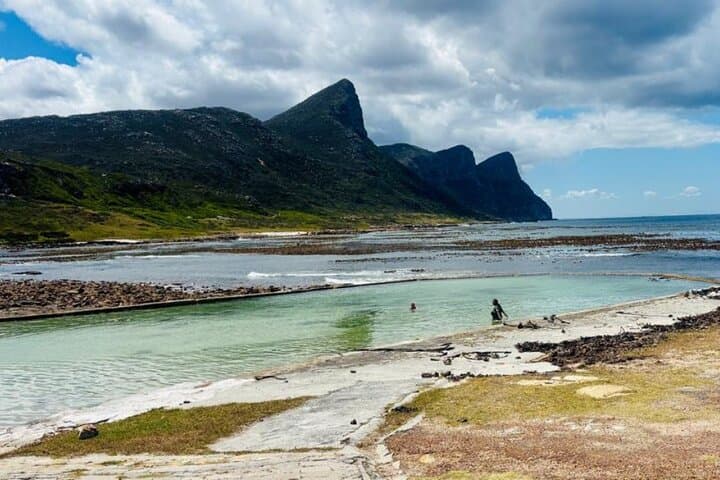
You arrive at the wind-swept edge of the Cape Peninsula with salt on your lips and a guide who reads the shoreline like a map. Tide-carved pools glint like pockets of glass, and kelp fronds drift as if pointing the way. The day begins low on the rocks: kneeling to inspect mussel beds, lifting seaweeds to smell the ocean’s mineral tang, and learning to tell edible greens from lookalikes.
Verified experiences and guided adventures in the surrounding area.
Operated by sa wild escapes · Simon's Town, Western Cape
You arrive at the wind-swept edge of the Cape Peninsula with salt on your lips and a guide who reads the shoreline like a map. Tide-carved pools glint like pockets of glass, and kelp fronds drift as if pointing the way. The day begins low on the rocks: kneeling to inspect mussel beds, lifting seaweeds to smell the ocean’s mineral tang, and learning to tell edible greens from lookalikes.
Geology here is blunt and honest—ancient sandstones and granite folded into steep cliffs that throw spray onto the intertidal shelves. Culturally, Cape Point is a place of long continuity; the Khoisan peoples lived off these coasts for millennia, and the nearby Origins of Early Southern Sapiens Behaviour Exhibition connects foraging practices to deep human stories. Guides share species names, ethical harvest limits, and simple recipes that link modern plates to ancestral technique.
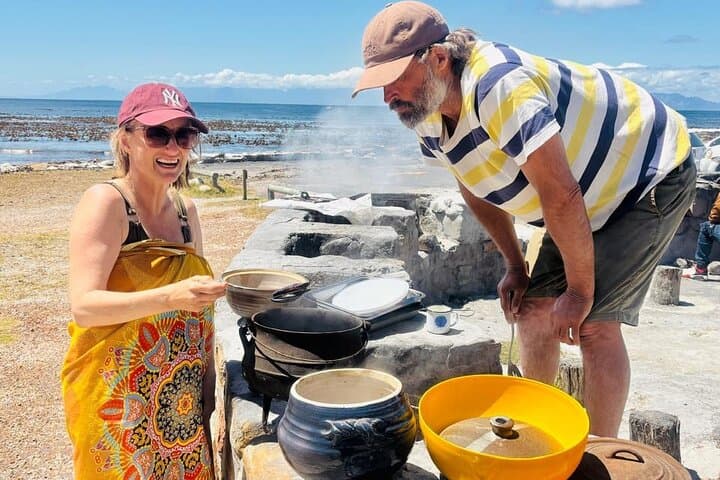
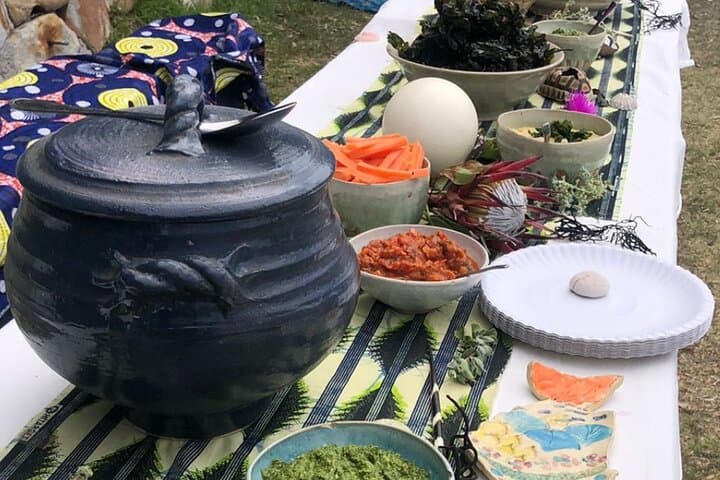
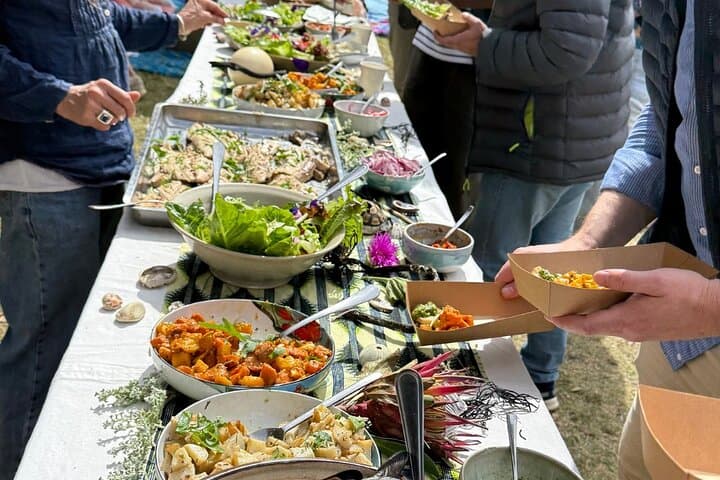
After gathering, a fire is built on a windsheltered beach or in a nearby clay house if weather closes in. Expect a practical, hands-on meal: mussels steamed over coals, grilled fish, seaweed-infused soda, and wild greens dressed simply. Conversation covers safety—how to identify shellfish and avoid bloom-affected harvests—and the rules that protect the reserve.
Practically: check tide times and weather, wear grippy shoes for slippery rocks, and bring sun protection and water. The experience is low-impact, tactile, and seasonal—best at low tide and on calmer days—and it pairs natural history with a clear, edible payoff.
No—guided identification and safe-harvest techniques are provided for beginners and experienced foragers alike.
Guides follow local safety checks and avoid harvesting during algal blooms or after heavy runoff; inform them of shellfish allergies.
Most guests travel from Cape Town or Simon’s Town; organizers provide exact meeting instructions after booking—allow time for Peninsula traffic.
The experience moves to a sheltered Scarborough clay-house venue for the meal, and tour operators may cancel with a full refund at least 24 hours prior.
sa wild escapes operates guided outdoor trips and adventures with an emphasis on safety, stewardship, and memorable experiences.
You arrive at the wind-swept edge of the Cape Peninsula with salt on your lips and a guide who reads the shoreline like a map. Tide-carved pools glint like pockets of glass, and kelp fronds drift as if pointing the way. The day begins low on the rocks: kneeling to inspect mussel beds, lifting seaweeds to smell the ocean’s mineral tang, and learning to tell edible greens from lookalikes.
You arrive at the wind-swept edge of the Cape Peninsula with salt on your lips and a guide who reads the shoreline like a map. Tide-carved pools glint like pockets of glass, and kelp fronds drift as if pointing the way. The day begins low on the rocks: kneeling to inspect mussel beds, lifting seaweeds to smell the ocean’s mineral tang, and learning to tell edible greens from lookalikes.
Geology here is blunt and honest—ancient sandstones and granite folded into steep cliffs that throw spray onto the intertidal shelves. Culturally, Cape Point is a place of long continuity; the Khoisan peoples lived off these coasts for millennia, and the nearby Origins of Early Southern Sapiens Behaviour Exhibition connects foraging practices to deep human stories. Guides share species names, ethical harvest limits, and simple recipes that link modern plates to ancestral technique.
After gathering, a fire is built on a windsheltered beach or in a nearby clay house if weather closes in. Expect a practical, hands-on meal: mussels steamed over coals, grilled fish, seaweed-infused soda, and wild greens dressed simply. Conversation covers safety—how to identify shellfish and avoid bloom-affected harvests—and the rules that protect the reserve.
Practically: check tide times and weather, wear grippy shoes for slippery rocks, and bring sun protection and water. The experience is low-impact, tactile, and seasonal—best at low tide and on calmer days—and it pairs natural history with a clear, edible payoff.