THE ADVENTURE COLLECTIVE® · Independent discovery and booking for outdoor travel

Drive a cliff-hugging road, hike to a windswept lighthouse and meet African penguins on a nine-hour guided loop around the Cape Peninsula. This full-day tour blends geology, coastal towns and wildlife viewing with practical local insights.
Drive a cliff-hugging road, hike to a windswept lighthouse and meet African penguins on a nine-hour guided loop around the Cape Peninsula. This full-day tour blends geology, coastal towns and wildlife viewing with practical local insights.
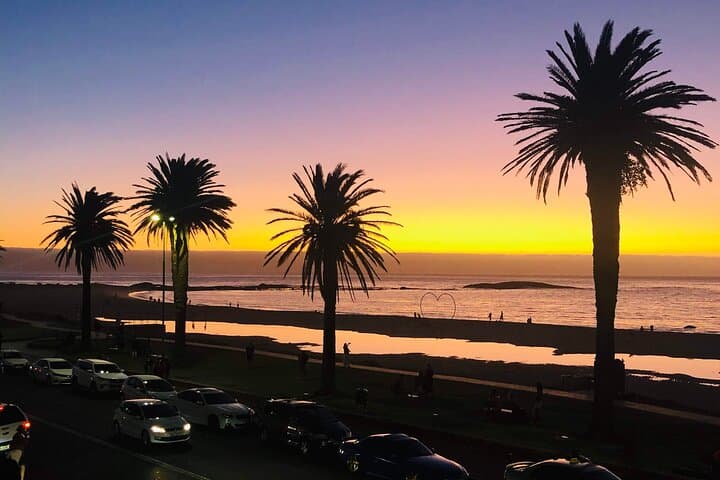
The morning begins with the Atlantic wind pressing cool against the window as the van peels away from Cape Town's harbor. Glassy ocean opens to a ribbon of road—Chapman's Peak—cut into steep cliffs that throw foamy spray out over the motorway. On a full-day guided circuit of the Cape Peninsula you move from painted Bo-Kaap streets to wide Noordhoek sand, from fishing harbors to the stony waddles of colony-bound penguins. The day feels less like sightseeing and more like a measured walkthrough of coastal geology and cultural seams.
Verified experiences and guided adventures in the surrounding area.
Operated by Mark · Cape Town, Western Cape
The morning begins with the Atlantic wind pressing cool against the window as the van peels away from Cape Town's harbor. Glassy ocean opens to a ribbon of road—Chapman's Peak—cut into steep cliffs that throw foamy spray out over the motorway. On a full-day guided circuit of the Cape Peninsula you move from painted Bo-Kaap streets to wide Noordhoek sand, from fishing harbors to the stony waddles of colony-bound penguins. The day feels less like sightseeing and more like a measured walkthrough of coastal geology and cultural seams.
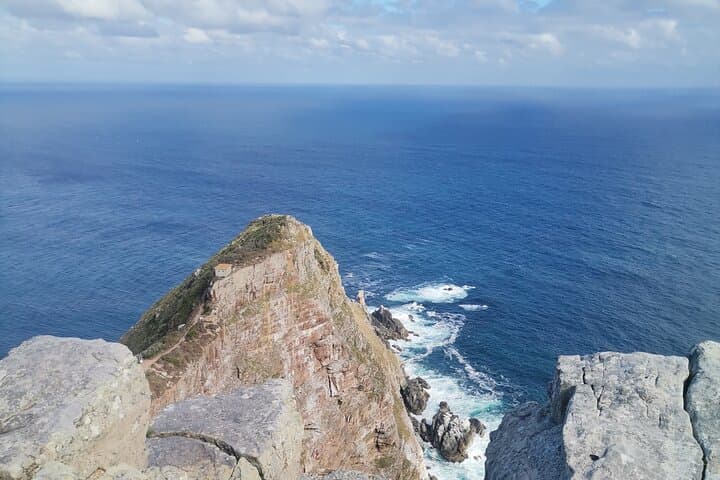
Geology and history are in plain view. The peninsula's granite backbone and Table Mountain Group sandstones tilt and fold as they meet the Atlantic, creating sea cliffs and sheltered bays that shaped both marine currents and human settlement. Cape Point and the Cape of Good Hope mark the collision of cooler Atlantic and warmer Indian Ocean influences; early European navigators charted these capes with a mix of dread and relief. The region's Khoikhoi and San heritage and later Dutch and British settlements inform towns like Simon's Town and Kalk Bay—places where maritime culture still steers daily life.
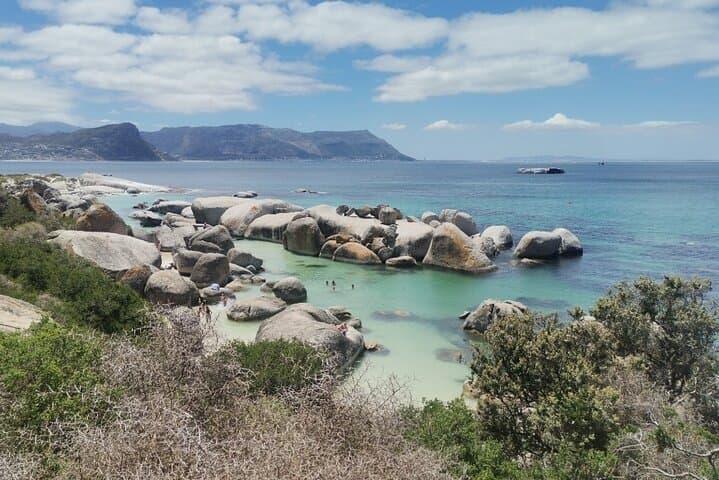
Wildlife is immediate. At Cape Point expect eland and caracal in the reserve's fynbos mosaic; at Boulders Beach African penguins shuffle between nests and sea. Hout Bay's harbor shows you an active fishing economy, while Kalk Bay's quay still smells of salt and frying fish. Guides on this tour thread history and contemporary context—from apartheid-era naval stations in Simon's Town to present-day conservation work saving endangered penguin numbers.
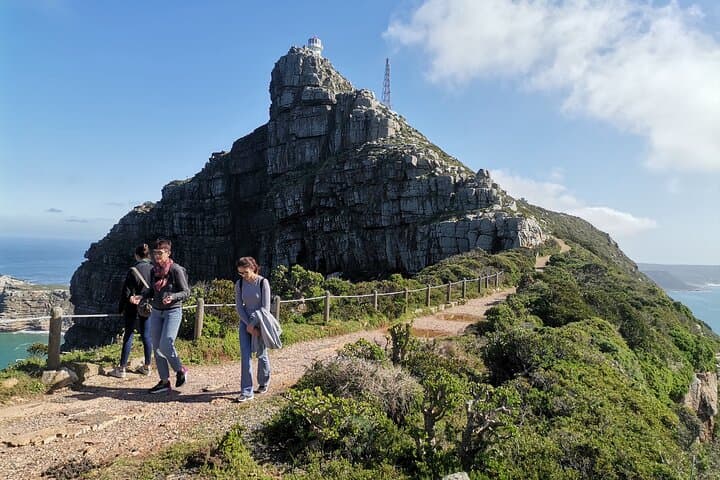
Practical guidance: this is a nine‑hour outing with multiple short stops and two longer visits—Cape Point (roughly 90 minutes) and Boulders Beach (about 60 minutes). Chapman's Peak Drive itself is around 9 km of cliffside road and a great photo stretch, while the hike from Cape Point parking to the old lighthouse is a steep 1 km with roughly 80–120 m of elevation gain; sturdy walking shoes make the climb easier. Bring cash or a card for the nature reserve entrance fee (adult fares apply), a windproof layer, sun protection, and a reusable water bottle—bottled water is supplied but a refill keeps you eco-friendly.
Timing and tips: aim for a weekday departure to avoid traffic and the peak crowds at Boulders. If you want penguins up close, midday visits when birds return from fishing are often best. Respect fenced viewing platforms and local signage—penguins are protected and easily stressed. Finally, leave room for slow moments: the peninsula rewards quiet observation as much as panoramic photos.
moderate.
9 hours.
Light to moderate fitness; you should be comfortable with short hikes and standing at viewpoints for photos.
The full itinerary runs about nine hours, typically departing in the morning and returning late afternoon.
No—entrance to Cape Point Nature Reserve and Boulders Penguin Colony are paid separately (estimates listed in tour inclusions).
Yes—this tour is family-friendly with short walks and boardwalk viewing areas suitable for children, though supervise near cliffs and water.
Yes—there is a designated swimmers' section, but be mindful of penguins and follow local guidance about safe areas.
Yes—hotel pickup within Cape Town is available; exact pickup time is confirmed by the guide the night before.
Bring binoculars, a zoom lens for photography, quiet shoes, and patience—animals respond best to low-noise observation.
The peninsula has been a maritime crossroads for centuries—European sailors rounded the Cape with a mix of navigational triumph and danger, while local Khoikhoi communities shaped early coastal economies.
Local reserves and NGO projects focus on penguin rehabilitation and protecting fynbos habitat; visitors are encouraged to stick to paths and avoid single-use plastics.
Mark operates guided outdoor trips and adventures with an emphasis on safety, stewardship, and memorable experiences.
The morning begins with the Atlantic wind pressing cool against the window as the van peels away from Cape Town's harbor. Glassy ocean opens to a ribbon of road—Chapman's Peak—cut into steep cliffs that throw foamy spray out over the motorway. On a full-day guided circuit of the Cape Peninsula you move from painted Bo-Kaap streets to wide Noordhoek sand, from fishing harbors to the stony waddles of colony-bound penguins. The day feels less like sightseeing and more like a measured walkthrough of coastal geology and cultural seams.
The morning begins with the Atlantic wind pressing cool against the window as the van peels away from Cape Town's harbor. Glassy ocean opens to a ribbon of road—Chapman's Peak—cut into steep cliffs that throw foamy spray out over the motorway. On a full-day guided circuit of the Cape Peninsula you move from painted Bo-Kaap streets to wide Noordhoek sand, from fishing harbors to the stony waddles of colony-bound penguins. The day feels less like sightseeing and more like a measured walkthrough of coastal geology and cultural seams.
Geology and history are in plain view. The peninsula's granite backbone and Table Mountain Group sandstones tilt and fold as they meet the Atlantic, creating sea cliffs and sheltered bays that shaped both marine currents and human settlement. Cape Point and the Cape of Good Hope mark the collision of cooler Atlantic and warmer Indian Ocean influences; early European navigators charted these capes with a mix of dread and relief. The region's Khoikhoi and San heritage and later Dutch and British settlements inform towns like Simon's Town and Kalk Bay—places where maritime culture still steers daily life.
Wildlife is immediate. At Cape Point expect eland and caracal in the reserve's fynbos mosaic; at Boulders Beach African penguins shuffle between nests and sea. Hout Bay's harbor shows you an active fishing economy, while Kalk Bay's quay still smells of salt and frying fish. Guides on this tour thread history and contemporary context—from apartheid-era naval stations in Simon's Town to present-day conservation work saving endangered penguin numbers.
Practical guidance: this is a nine‑hour outing with multiple short stops and two longer visits—Cape Point (roughly 90 minutes) and Boulders Beach (about 60 minutes). Chapman's Peak Drive itself is around 9 km of cliffside road and a great photo stretch, while the hike from Cape Point parking to the old lighthouse is a steep 1 km with roughly 80–120 m of elevation gain; sturdy walking shoes make the climb easier. Bring cash or a card for the nature reserve entrance fee (adult fares apply), a windproof layer, sun protection, and a reusable water bottle—bottled water is supplied but a refill keeps you eco-friendly.
Timing and tips: aim for a weekday departure to avoid traffic and the peak crowds at Boulders. If you want penguins up close, midday visits when birds return from fishing are often best. Respect fenced viewing platforms and local signage—penguins are protected and easily stressed. Finally, leave room for slow moments: the peninsula rewards quiet observation as much as panoramic photos.