THE ADVENTURE COLLECTIVE® · Independent discovery and booking for outdoor travel

Drive the Cape Peninsula from Clifton’s beaches to Cape Point and the penguin colony at Boulders Beach. This accessible, largely vehicle-based tour combines dramatic coastal geology, marine wildlife and seaside towns—ideal for a full-day outing from Cape Town.
Drive the Cape Peninsula from Clifton’s beaches to Cape Point and the penguin colony at Boulders Beach. This accessible, largely vehicle-based tour combines dramatic coastal geology, marine wildlife and seaside towns—ideal for a full-day outing from Cape Town.
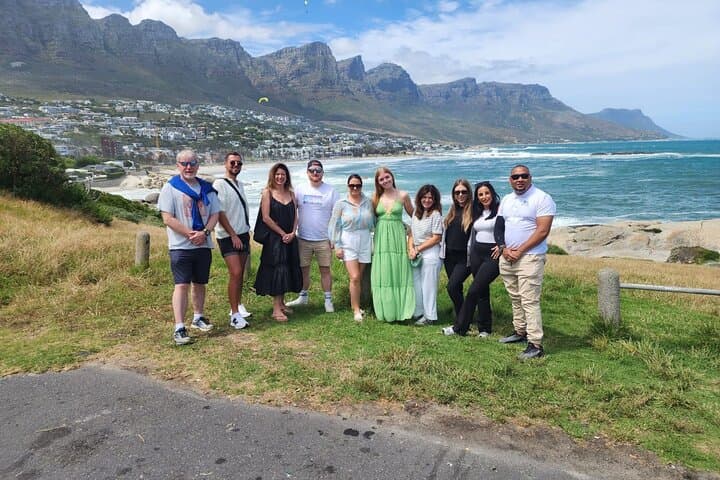
A sea-swept road opens before you: wind scours the fynbos, waves punch against steep headlands and the Twelve Apostles cliffs throw long shadows toward the Atlantic.
Verified experiences and guided adventures in the surrounding area.
Operated by E.A Travel Tours and Transport Services · Cape Town, Western Cape
A sea-swept road opens before you: wind scours the fynbos, waves punch against steep headlands and the Twelve Apostles cliffs throw long shadows toward the Atlantic.
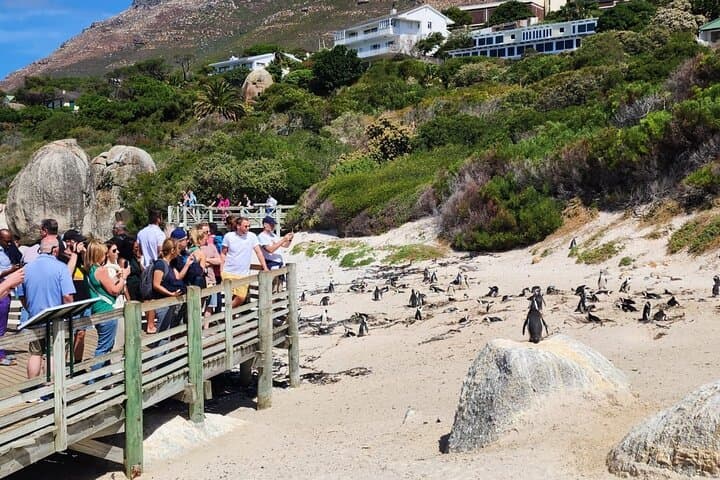
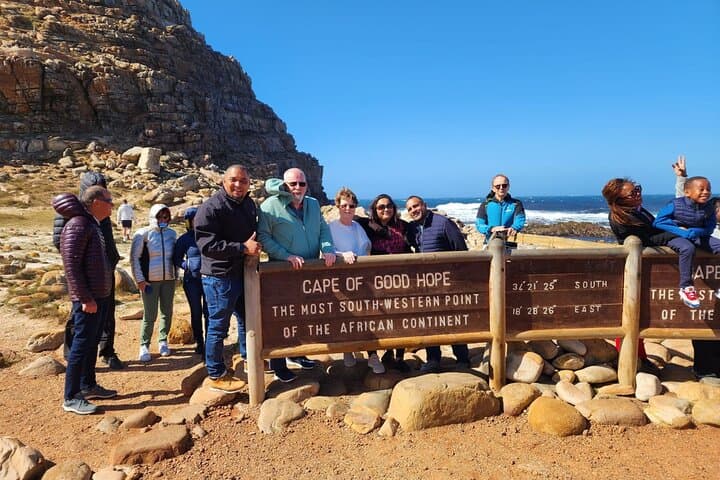
The Cape Peninsula tour threads coastal roads and reserve gates, moving from Clifton and Camps Bay’s white sands to the dramatic hairpin of Chapman’s Peak Drive (when open). Cape Point and the Cape of Good Hope stand as geologic bookends—ancient Table Mountain sandstone tilted and carved by relentless ocean weathering. Simon’s Town keeps naval and fishing stories close; Boulders Beach preserves a resident colony of African penguins that waddles between sheltered boulders and icy surf.
Culturally, the route reflects Cape Town’s layered past: maritime exploration, indigenous Khoikhoi heritage, colonial ports and a modern city where fishing harbors meet surf culture. Local guides often point out the Cape fur seals in Hout Bay and the small fishing villages like Muizenberg with its colorful beach huts and surfing history.
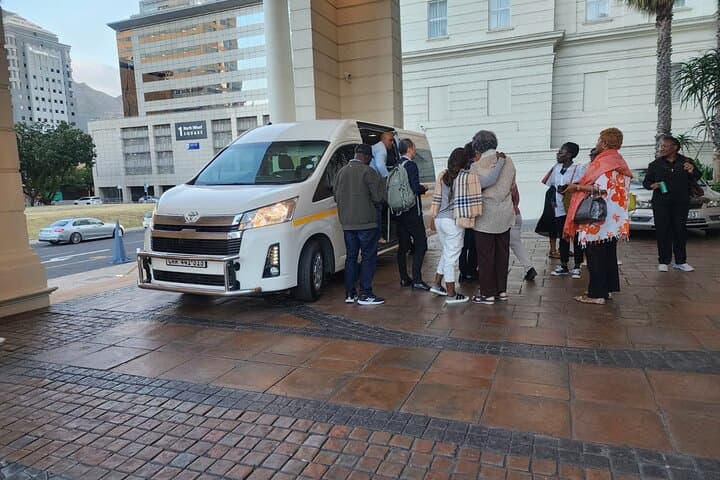
Practical guidance: plan a full day—expect 4–8 hours if you stop for photos, a penguin visit and lunch in Simon’s Town. Roads can be narrow and windy; check Chapman’s Peak status before departing. Wear windproof layers, sun protection and comfortable shoes for short walks on uneven paths. Bring cash or card for parking and lunch, and binoculars for wildlife. Respect protected areas: stay on marked paths at Cape Point and keep distance from penguins and seals. Timed right, the light across the peninsula can make even a quick stop feel like a genuine coastal expedition.
easy.
4–8 hours.
Suitable for most fitness levels; requires short walks on uneven surfaces for viewpoints and boardwalks.
Many sights and the vehicle transfer are wheelchair accessible, but some boardwalks and viewpoints have steps—check specifics with the operator.
No wildlife is guaranteed, but Boulders Beach hosts a resident African penguin colony that is commonly visible from boardwalks.
The tour ranges broadly (about 4–8 hours depending on stops) and many operators offer flexible itineraries or half-day options when booked in advance.
No; Chapman’s Peak can close for maintenance or rockfall mitigation—verify road status the day before travel.
The peninsula has long been a maritime crossroads: early seafarers rounded the Cape en route between Europe and Asia, shaping coastal settlements like Simon’s Town and Hout Bay.
African penguins are vulnerable; stick to boardwalks and viewing distances. The Cape of Good Hope Nature Reserve is managed to protect fynbos and coastal species—follow park rules to reduce impact.
E.A Travel Tours and Transport Services operates guided outdoor trips and adventures with an emphasis on safety, stewardship, and memorable experiences.
A sea-swept road opens before you: wind scours the fynbos, waves punch against steep headlands and the Twelve Apostles cliffs throw long shadows toward the Atlantic.
A sea-swept road opens before you: wind scours the fynbos, waves punch against steep headlands and the Twelve Apostles cliffs throw long shadows toward the Atlantic.
The Cape Peninsula tour threads coastal roads and reserve gates, moving from Clifton and Camps Bay’s white sands to the dramatic hairpin of Chapman’s Peak Drive (when open). Cape Point and the Cape of Good Hope stand as geologic bookends—ancient Table Mountain sandstone tilted and carved by relentless ocean weathering. Simon’s Town keeps naval and fishing stories close; Boulders Beach preserves a resident colony of African penguins that waddles between sheltered boulders and icy surf.
Culturally, the route reflects Cape Town’s layered past: maritime exploration, indigenous Khoikhoi heritage, colonial ports and a modern city where fishing harbors meet surf culture. Local guides often point out the Cape fur seals in Hout Bay and the small fishing villages like Muizenberg with its colorful beach huts and surfing history.
Practical guidance: plan a full day—expect 4–8 hours if you stop for photos, a penguin visit and lunch in Simon’s Town. Roads can be narrow and windy; check Chapman’s Peak status before departing. Wear windproof layers, sun protection and comfortable shoes for short walks on uneven paths. Bring cash or card for parking and lunch, and binoculars for wildlife. Respect protected areas: stay on marked paths at Cape Point and keep distance from penguins and seals. Timed right, the light across the peninsula can make even a quick stop feel like a genuine coastal expedition.