THE ADVENTURE COLLECTIVE® · Independent discovery and booking for outdoor travel

Drive the dramatic Chapman's Peak, visit penguins at Boulders Beach, tour Robben Island, and finish with a Gold Restaurant 7‑course dinner. This full-day itinerary packs geology, wildlife, and history into one long coastal loop from Cape Town.
Drive the dramatic Chapman's Peak, visit penguins at Boulders Beach, tour Robben Island, and finish with a Gold Restaurant 7‑course dinner. This full-day itinerary packs geology, wildlife, and history into one long coastal loop from Cape Town.
You step onto a coastal road where the ocean seems to change color with every bend: deep Atlantic blue on the left, warm False Bay to the right as the minivan threads through Camps Bay and the shadow of the Twelve Apostles. The wind carries salt and the distant rumble of surf; cameras click at cliff-edge lookouts and conversation drops to a hush at sight of the first penguins on Boulders Beach.
Verified experiences and guided adventures in the surrounding area.
Operated by Bantu Safaris Southern Africa · Cape Town, Western Cape
You step onto a coastal road where the ocean seems to change color with every bend: deep Atlantic blue on the left, warm False Bay to the right as the minivan threads through Camps Bay and the shadow of the Twelve Apostles. The wind carries salt and the distant rumble of surf; cameras click at cliff-edge lookouts and conversation drops to a hush at sight of the first penguins on Boulders Beach.
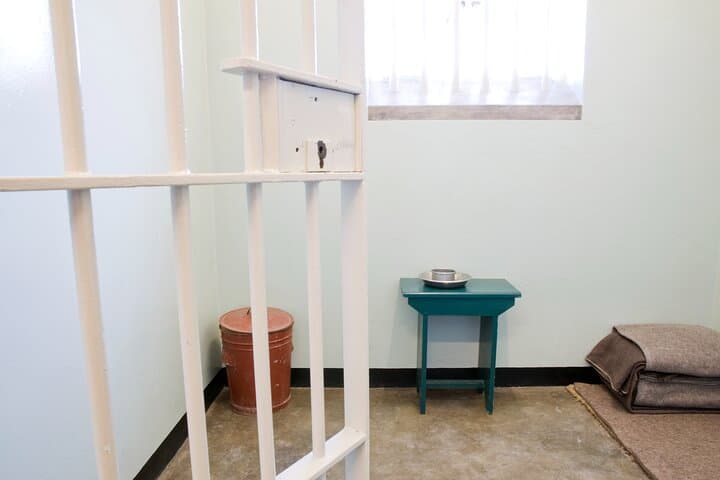
This full-day loop stitches together Cape Town’s layered story. Geologically the peninsula is a collision of Table Mountain’s hard sandstone and older Cape Fold Belt formations, sculpted by millennia of waves and wind. Robben Island’s limestone and quarries echo a fraught human history—the island served as a prison during apartheid, most famously holding Nelson Mandela—while the Cape of Good Hope marks centuries of maritime navigation and myth about where oceans meet.
Local culture threads through the day: Simon’s Town’s naval traditions, Kalk Bay’s working harbor cafés, and the Gold Restaurant’s 7-course finale where drumming and storytelling frame a pan-African menu.
Practical guidance: expect a long day (about 14 hours) with multiple short walks and boardwalks; most sites have steps and uneven surfaces. Book the Robben Island ferry in advance and carry your passport. Dress in layers—the coast can be sunny and windy within the same hour. Respect wildlife: keep distance from penguins and baboons and follow park signage. There’s time to photograph Chapman’s Peak Drive, ride the Cape Point funicular, and still arrive for an evening feast—this trip is a compact survey of the peninsula’s wild, historic, and cultural highlights.
easy.
12–14 hours.
Suitable for most fitness levels; requires extended periods of sitting and several short walks on uneven surfaces
Yes—Robben Island ferry operators typically require valid government ID (passport preferred) for boarding and security.
Expect several short walks and boardwalk sections (10–60 minutes each), but most of the day is driven between sites—good mobility helps but is not demanding.
The itinerary lists some admissions included (Robben Island, Cape Point, Boulders Beach and Gold Restaurant), but confirm specific inclusions at booking as policies can vary.
Yes—the operator notes they can accommodate vegetarian, vegan, and gluten‑free requests if provided at booking; notify them in advance.
Robben Island is a World Heritage site tied to South Africa’s apartheid history; the Cape's headlands were major navigation markers for Portuguese and Dutch sailors from the 15th century onward.
The Cape Point Nature Reserve and SANParks manage sensitive fynbos and penguin habitats—stay on marked paths, don’t feed wildlife, and entrance fees support conservation work.
Bantu Safaris Southern Africa operates guided outdoor trips and adventures with an emphasis on safety, stewardship, and memorable experiences.
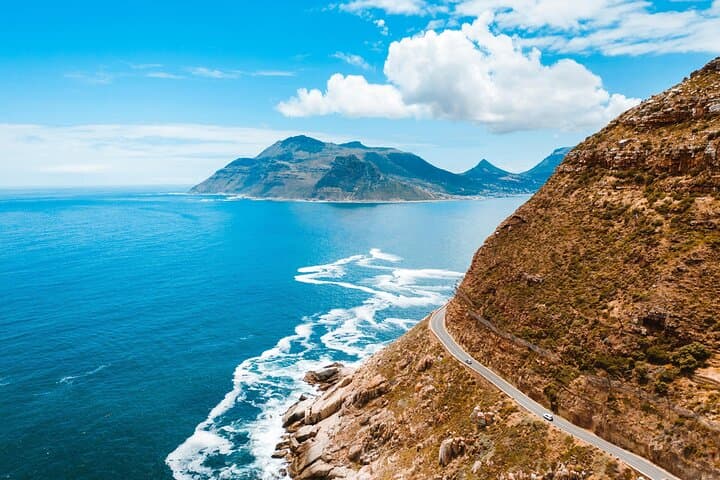
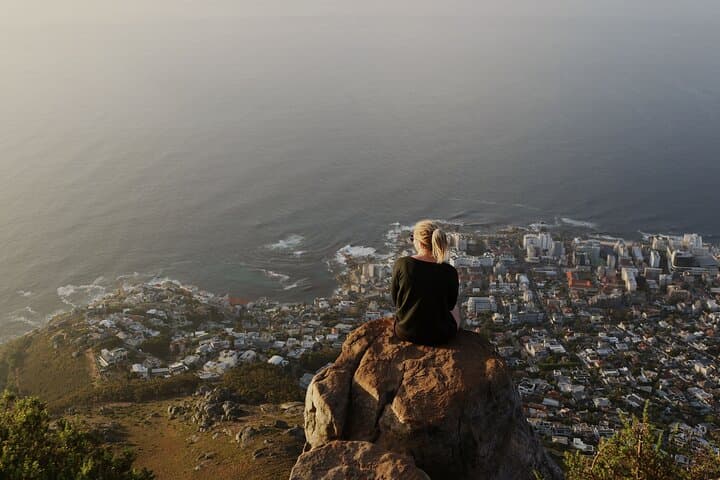
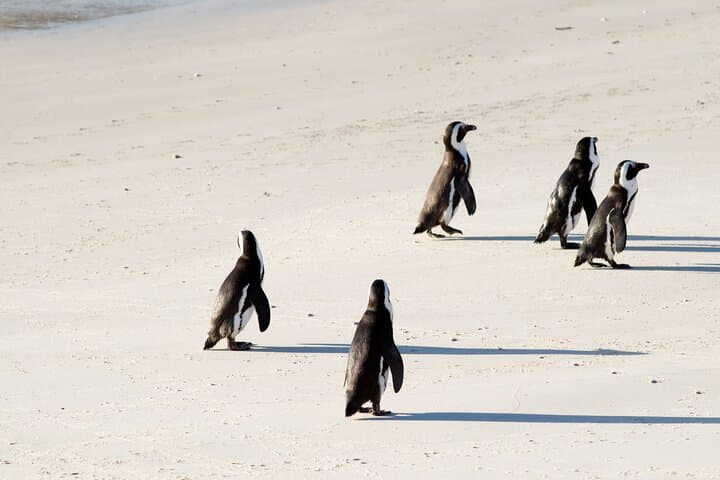
You step onto a coastal road where the ocean seems to change color with every bend: deep Atlantic blue on the left, warm False Bay to the right as the minivan threads through Camps Bay and the shadow of the Twelve Apostles. The wind carries salt and the distant rumble of surf; cameras click at cliff-edge lookouts and conversation drops to a hush at sight of the first penguins on Boulders Beach.
You step onto a coastal road where the ocean seems to change color with every bend: deep Atlantic blue on the left, warm False Bay to the right as the minivan threads through Camps Bay and the shadow of the Twelve Apostles. The wind carries salt and the distant rumble of surf; cameras click at cliff-edge lookouts and conversation drops to a hush at sight of the first penguins on Boulders Beach.
This full-day loop stitches together Cape Town’s layered story. Geologically the peninsula is a collision of Table Mountain’s hard sandstone and older Cape Fold Belt formations, sculpted by millennia of waves and wind. Robben Island’s limestone and quarries echo a fraught human history—the island served as a prison during apartheid, most famously holding Nelson Mandela—while the Cape of Good Hope marks centuries of maritime navigation and myth about where oceans meet.
Local culture threads through the day: Simon’s Town’s naval traditions, Kalk Bay’s working harbor cafés, and the Gold Restaurant’s 7-course finale where drumming and storytelling frame a pan-African menu.
Practical guidance: expect a long day (about 14 hours) with multiple short walks and boardwalks; most sites have steps and uneven surfaces. Book the Robben Island ferry in advance and carry your passport. Dress in layers—the coast can be sunny and windy within the same hour. Respect wildlife: keep distance from penguins and baboons and follow park signage. There’s time to photograph Chapman’s Peak Drive, ride the Cape Point funicular, and still arrive for an evening feast—this trip is a compact survey of the peninsula’s wild, historic, and cultural highlights.