THE ADVENTURE COLLECTIVE® · Independent discovery and booking for outdoor travel

A private full-day drive around the Cape Peninsula that pairs Table Mountain panoramas with Cape Point’s wild coast and up-close views of the endangered African penguins at Boulders Beach. Ideal for travelers who want a flexible, guided day without self-driving.
A private full-day drive around the Cape Peninsula that pairs Table Mountain panoramas with Cape Point’s wild coast and up-close views of the endangered African penguins at Boulders Beach. Ideal for travelers who want a flexible, guided day without self-driving.
You step off the air-conditioned van at the Two Oceans Aquarium, the sea air sharp and cold like a cut citrus. The guide checks the plan, and the city unfolds: Table Mountain’s flat crown rises to the north, the Atlantic pounding the cliffs to the west, False Bay’s gentler sweep to the east. The day moves like a well-timed tide—high, visible, and measured—each stop a different argument the peninsula makes for itself.
Verified experiences and guided adventures in the surrounding area.
Operated by Kwetu African Travels & Tours · Cape Town, Western Cape
You step off the air-conditioned van at the Two Oceans Aquarium, the sea air sharp and cold like a cut citrus. The guide checks the plan, and the city unfolds: Table Mountain’s flat crown rises to the north, the Atlantic pounding the cliffs to the west, False Bay’s gentler sweep to the east. The day moves like a well-timed tide—high, visible, and measured—each stop a different argument the peninsula makes for itself.
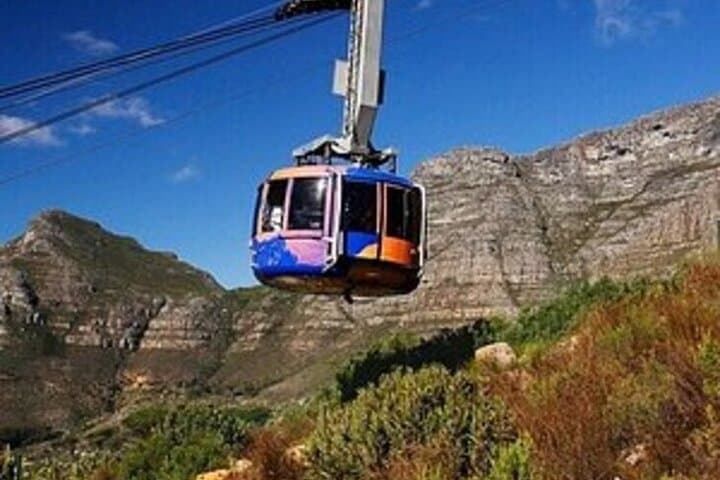
Table Mountain’s cable car lifts you to 1,085 meters where wind rearranges conversation and the city below becomes a miniature of streets and harbor cranes. Geologically the mountain is a slab of resistant sandstone deposited over 450 million years ago; its sheer cliffs guard a floral kingdom that refuses to behave like any other. Protea bushes, silver-leafed renosterveld, and fynbos rub elbows with the occasional dassie, South Africa’s rock hyrax.
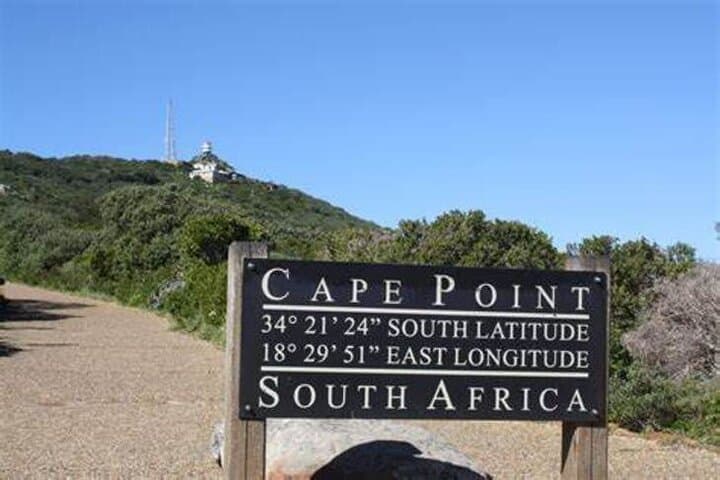
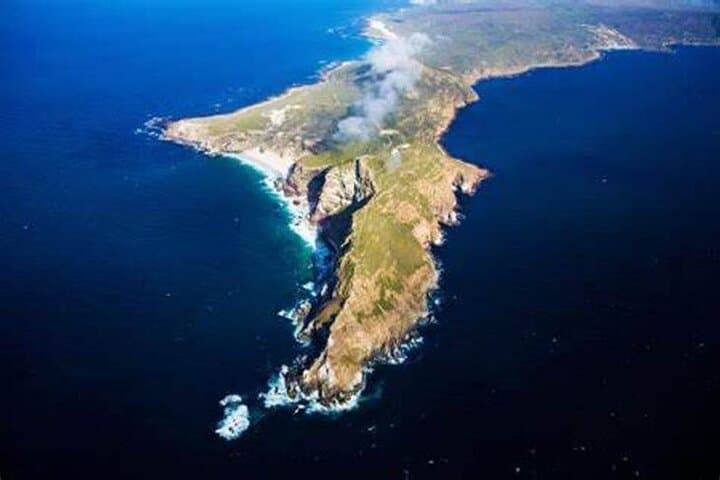
Driving Chapman’s Peak, the road skirts basalt cliffs and offers views that steal the focus from the GPS. Cape Point Nature Reserve, at roughly 7,700 hectares, is where maritime weather demonstrates its will—southerly gales push spray up the cliffs, and a Victorian-era lighthouse keeps watch over shipping lanes that once terrified sailors navigating the Cape of Good Hope. On the quieter stretches, baboons and small antelope graze; they test boundaries with human presence when food is visible.
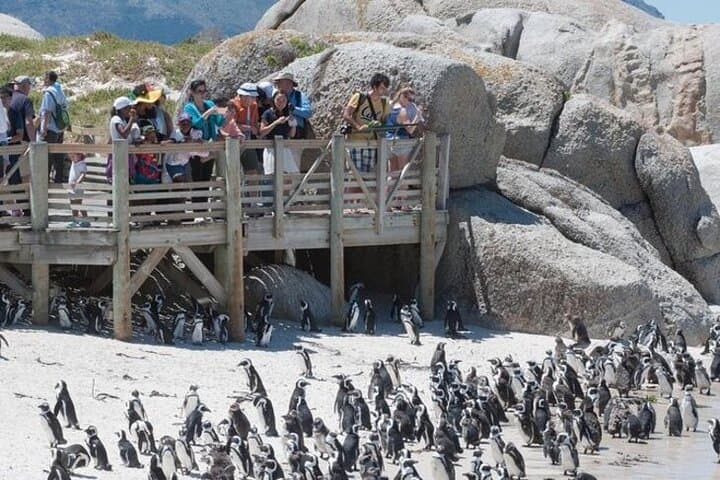
Boulders Beach switches the script. Granite islands and sheltered bays host an endangered colony of African penguins. A purpose-built boardwalk keeps human and bird lives in parallel: close enough for intimate photos, far enough to let the penguins get on with foraging and courtship.
Practicalities shape the success of this loop. The tour is private and flexible—expect pickup from central Cape Town hotels. Table Mountain cable car tickets and national park entrance fees are usually not included, so buy online ahead during high season to skip lines. Traffic around Chapman’s Peak and Simon’s Town can double transfer times, so keep a buffer for photography stops. Wear layered clothing: sun and wind alternate in minutes. Hydrate—the day is long and some coastal winds mask dehydration.
Respect wildlife: don’t feed penguins or approach baboons; keep a firm distance and store food in secure bags. If you want surf snapshots, ask the driver to pause at Muizenberg’s colorful beach huts; they’re vibrant and easily accessible.
For photographers, golden hour on Table Mountain and late afternoon light at Cape Point reward careful framing. This is a day of contrasts—flat summits, sweeping oceans, small feathered citizens—and with a bit of planning it’s a compact, spectacular survey of South Africa’s southwestern edge.
easy.
8 hours.
Suitable for most travelers; requires short walks and standing but no strenuous hiking.
Typically cable car tickets for Table Mountain and Cape Point entrance fees are not included—buy them online or bring cash/card to pay on arrival.
Yes, the tour is family-friendly; infant seats are available and the route is suitable for strollers at key stops like Boulders boardwalk.
The tour runs about eight hours with pickup and drop-off in central Cape Town; start times vary, so confirm with the operator.
You can get very close from the boardwalk at Boulders Beach, but visitors must remain on the path to protect the penguins and their habitat.
This listing is for a private tour, offering flexibility to tailor stops such as adding a quick wine tasting or Ostrich Farm visit if time allows.
The operator may cancel for heavy storms; a full refund is usually available if canceled 24 hours in advance—confirm the specific cancellation policy when booking.
The Cape Peninsula has long been a navigational crossroads; lighthouses at Cape Point guided ships since the 19th century and the region shaped early maritime trade routes.
Boulders Beach is protected to limit human disturbance to the endangered African penguin; park fees and boardwalks support habitat protection—do not feed or touch wildlife.
Kwetu African Travels & Tours operates guided outdoor trips and adventures with an emphasis on safety, stewardship, and memorable experiences.
You step off the air-conditioned van at the Two Oceans Aquarium, the sea air sharp and cold like a cut citrus. The guide checks the plan, and the city unfolds: Table Mountain’s flat crown rises to the north, the Atlantic pounding the cliffs to the west, False Bay’s gentler sweep to the east. The day moves like a well-timed tide—high, visible, and measured—each stop a different argument the peninsula makes for itself.
You step off the air-conditioned van at the Two Oceans Aquarium, the sea air sharp and cold like a cut citrus. The guide checks the plan, and the city unfolds: Table Mountain’s flat crown rises to the north, the Atlantic pounding the cliffs to the west, False Bay’s gentler sweep to the east. The day moves like a well-timed tide—high, visible, and measured—each stop a different argument the peninsula makes for itself.
Table Mountain’s cable car lifts you to 1,085 meters where wind rearranges conversation and the city below becomes a miniature of streets and harbor cranes. Geologically the mountain is a slab of resistant sandstone deposited over 450 million years ago; its sheer cliffs guard a floral kingdom that refuses to behave like any other. Protea bushes, silver-leafed renosterveld, and fynbos rub elbows with the occasional dassie, South Africa’s rock hyrax.
Driving Chapman’s Peak, the road skirts basalt cliffs and offers views that steal the focus from the GPS. Cape Point Nature Reserve, at roughly 7,700 hectares, is where maritime weather demonstrates its will—southerly gales push spray up the cliffs, and a Victorian-era lighthouse keeps watch over shipping lanes that once terrified sailors navigating the Cape of Good Hope. On the quieter stretches, baboons and small antelope graze; they test boundaries with human presence when food is visible.
Boulders Beach switches the script. Granite islands and sheltered bays host an endangered colony of African penguins. A purpose-built boardwalk keeps human and bird lives in parallel: close enough for intimate photos, far enough to let the penguins get on with foraging and courtship.
Practicalities shape the success of this loop. The tour is private and flexible—expect pickup from central Cape Town hotels. Table Mountain cable car tickets and national park entrance fees are usually not included, so buy online ahead during high season to skip lines. Traffic around Chapman’s Peak and Simon’s Town can double transfer times, so keep a buffer for photography stops. Wear layered clothing: sun and wind alternate in minutes. Hydrate—the day is long and some coastal winds mask dehydration.
Respect wildlife: don’t feed penguins or approach baboons; keep a firm distance and store food in secure bags. If you want surf snapshots, ask the driver to pause at Muizenberg’s colorful beach huts; they’re vibrant and easily accessible.
For photographers, golden hour on Table Mountain and late afternoon light at Cape Point reward careful framing. This is a day of contrasts—flat summits, sweeping oceans, small feathered citizens—and with a bit of planning it’s a compact, spectacular survey of South Africa’s southwestern edge.