THE ADVENTURE COLLECTIVE® · Independent discovery and booking for outdoor travel

Drive the dramatic spine of the Cape Peninsula on a private full-day tour that visits Cape Point, the Cape of Good Hope and Boulders Penguin Colony. Expect cliffside panoramas, a lighthouse hike, shipwreck history, and up-close penguin encounters along a route that punctuates South Africa’s maritime past.
Drive the dramatic spine of the Cape Peninsula on a private full-day tour that visits Cape Point, the Cape of Good Hope and Boulders Penguin Colony. Expect cliffside panoramas, a lighthouse hike, shipwreck history, and up-close penguin encounters along a route that punctuates South Africa’s maritime past.
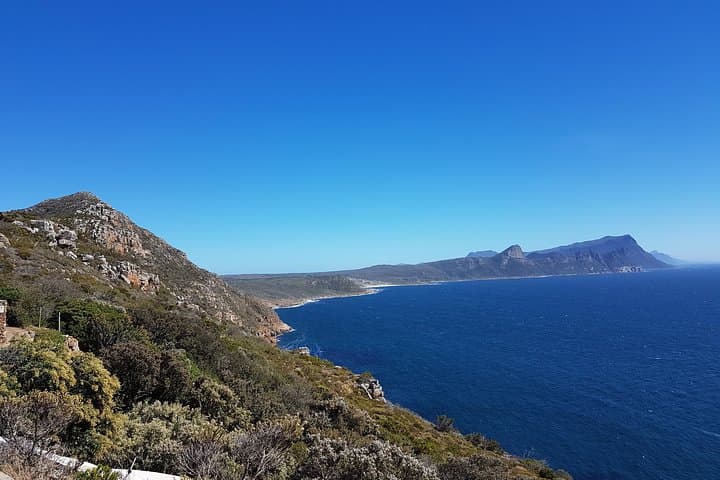
The day begins with Atlantic wind on the face and the city shrinking in the rear-view mirror—Cape Town’s skyline gives way to a coastline that alternates between sheer granite cliffs and wide, blue bays. Your private vehicle peels south along the peninsula, the ocean pulling focus to your left while Table Mountain keeps a steady eye to the north. The first real stop is Chapman’s Peak Drive: a cliff-hugging ribbon of road that insists you slow down, offering framed views of waves battering shale and the occasional shearwater riding the spray.
Verified experiences and guided adventures in the surrounding area.
Operated by Travel Pilot · Cape Town, Western Cape
The day begins with Atlantic wind on the face and the city shrinking in the rear-view mirror—Cape Town’s skyline gives way to a coastline that alternates between sheer granite cliffs and wide, blue bays. Your private vehicle peels south along the peninsula, the ocean pulling focus to your left while Table Mountain keeps a steady eye to the north. The first real stop is Chapman’s Peak Drive: a cliff-hugging ribbon of road that insists you slow down, offering framed views of waves battering shale and the occasional shearwater riding the spray.
History is held in the rock and in the ocean lanes below. European mariners once called this place the Cape of Storms; Portuguese exploration, shipwreck charts and centuries of naval traffic layered human story atop ancient geology. The peninsula itself is part of the Cape Fold Belt—granite and Table Mountain sandstone carved into steep escarpments and sheltered coves that redirect wind and ocean currents in dramatic ways.
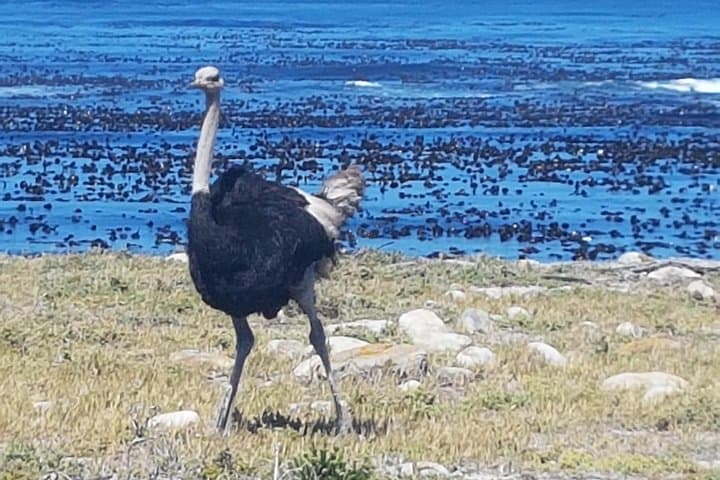
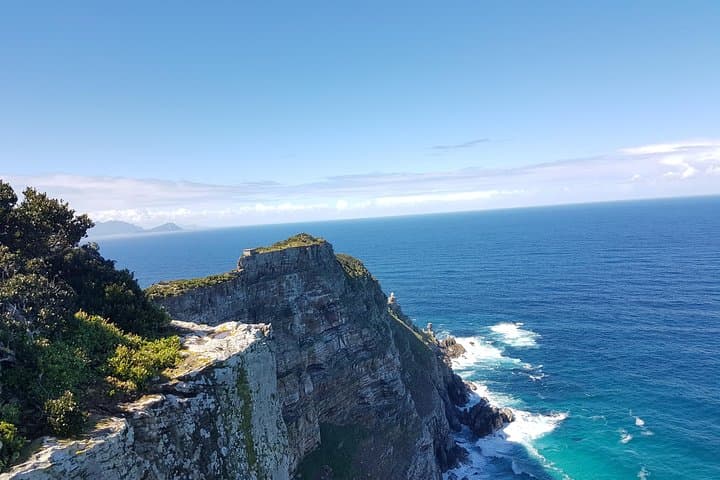
At Cape of Good Hope the cliffs drop away in a clean line; waves do the loud work and the headland keeps its own counsel. Baboons patrol the scrub, and ostriches and small herds of antelope stake claims on the fynbos ridges. At Cape Point the old lighthouse perches like a weathered watchman; a short hike or the funicular gets you to the top for 360° views where False Bay and the Atlantic seem to argue over which sea owns these rocks.
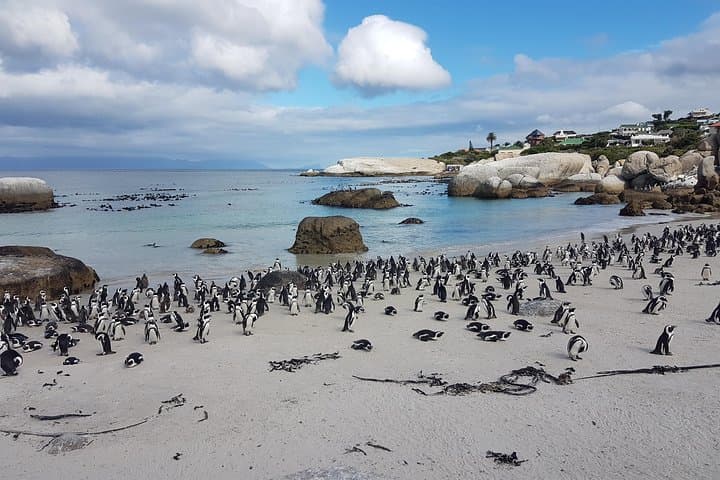
The contrast continues at Boulders Beach near Simon’s Town, where African penguins—endangered and charismatic—waddle between boulder-strewn shores and sheltered inlets. A network of wooden boardwalks lets visitors watch without disturbing breeding areas. Simon’s Town itself offers Victorian architecture, a naval history and seaside cafes perfect for a late-lunch pause.
Practical guidance: this is an eight-hour, low-impact day built around easy walking and short hikes; comfortable walking shoes and a windproof layer are non-negotiable. Bring cash or card for entrance fees to Table Mountain National Park (Cape Point/Cape of Good Hope) and for optional funicular rides. Be ready for rapid weather shifts—sun can become wind-driven spray by midday. Respect wildlife: do not feed baboons or approach penguins; keep a safe distance and let your guide set the rhythm.
Timing matters—early mornings bring cleaner light and calmer seas for photos; late afternoons can reward you with long shadows and quieter viewpoints. Because this is a private tour, your guide can adapt stops and time at viewpoints; use that flexibility to chase the light or linger at Boulders for penguin behavior. Whether you came for geology, wildlife, or a dramatic coastal drive, the Cape Peninsula delivers with equal parts spectacle and instruction—nature with a practical edge, insisting you pay attention.
easy.
8 hours.
Light fitness—comfortable walking on paved boardwalks and short, steep trails; able to stand and walk for up to an hour at viewpoints.
Admission fees to Table Mountain National Park (Cape Point/Cape of Good Hope) and Boulders Beach are typically not included unless specified—bring payment or confirm in advance.
The tour is approximately eight hours with hotel pickup and drop-off included; confirm your pickup location when booking.
Penguins live at Boulders year-round, but sightings depend on timing and breeding cycles; boardwalks maximize viewing without disturbance.
Yes—the funicular is available but runs on a paid, optional basis; many visitors also choose the short walk for better views.
The tour is family-friendly and wheelchair-accessible in many areas, but some viewpoints involve steps or short uneven paths—check specific accessibility needs with the operator.
Baboons can be bold—keep vehicle doors closed, do not feed them, and follow your guide’s instructions to avoid confrontations.
The Cape was a crucial waypoint for early European maritime exploration; Portuguese sailors reached the area in the late 15th century and the headlands shaped global shipping routes for centuries.
The African penguin colony is endangered and protected—visitors must stay on boardwalks and follow signage; ongoing programs also manage invasive plants and dune restoration in the reserve.
Travel Pilot operates guided outdoor trips and adventures with an emphasis on safety, stewardship, and memorable experiences.
The day begins with Atlantic wind on the face and the city shrinking in the rear-view mirror—Cape Town’s skyline gives way to a coastline that alternates between sheer granite cliffs and wide, blue bays. Your private vehicle peels south along the peninsula, the ocean pulling focus to your left while Table Mountain keeps a steady eye to the north. The first real stop is Chapman’s Peak Drive: a cliff-hugging ribbon of road that insists you slow down, offering framed views of waves battering shale and the occasional shearwater riding the spray.
The day begins with Atlantic wind on the face and the city shrinking in the rear-view mirror—Cape Town’s skyline gives way to a coastline that alternates between sheer granite cliffs and wide, blue bays. Your private vehicle peels south along the peninsula, the ocean pulling focus to your left while Table Mountain keeps a steady eye to the north. The first real stop is Chapman’s Peak Drive: a cliff-hugging ribbon of road that insists you slow down, offering framed views of waves battering shale and the occasional shearwater riding the spray.
History is held in the rock and in the ocean lanes below. European mariners once called this place the Cape of Storms; Portuguese exploration, shipwreck charts and centuries of naval traffic layered human story atop ancient geology. The peninsula itself is part of the Cape Fold Belt—granite and Table Mountain sandstone carved into steep escarpments and sheltered coves that redirect wind and ocean currents in dramatic ways.
At Cape of Good Hope the cliffs drop away in a clean line; waves do the loud work and the headland keeps its own counsel. Baboons patrol the scrub, and ostriches and small herds of antelope stake claims on the fynbos ridges. At Cape Point the old lighthouse perches like a weathered watchman; a short hike or the funicular gets you to the top for 360° views where False Bay and the Atlantic seem to argue over which sea owns these rocks.
The contrast continues at Boulders Beach near Simon’s Town, where African penguins—endangered and charismatic—waddle between boulder-strewn shores and sheltered inlets. A network of wooden boardwalks lets visitors watch without disturbing breeding areas. Simon’s Town itself offers Victorian architecture, a naval history and seaside cafes perfect for a late-lunch pause.
Practical guidance: this is an eight-hour, low-impact day built around easy walking and short hikes; comfortable walking shoes and a windproof layer are non-negotiable. Bring cash or card for entrance fees to Table Mountain National Park (Cape Point/Cape of Good Hope) and for optional funicular rides. Be ready for rapid weather shifts—sun can become wind-driven spray by midday. Respect wildlife: do not feed baboons or approach penguins; keep a safe distance and let your guide set the rhythm.
Timing matters—early mornings bring cleaner light and calmer seas for photos; late afternoons can reward you with long shadows and quieter viewpoints. Because this is a private tour, your guide can adapt stops and time at viewpoints; use that flexibility to chase the light or linger at Boulders for penguin behavior. Whether you came for geology, wildlife, or a dramatic coastal drive, the Cape Peninsula delivers with equal parts spectacle and instruction—nature with a practical edge, insisting you pay attention.