THE ADVENTURE COLLECTIVE® · Independent discovery and booking for outdoor travel

Cruise the Cape Peninsula in a private vehicle, from the colorful streets of Bo‑Kaap to the penguin colony at Boulders Beach and the windswept cliffs of Cape Point. This full‑day route mixes cultural history, dramatic coastal geology and close wildlife encounters.
Cruise the Cape Peninsula in a private vehicle, from the colorful streets of Bo‑Kaap to the penguin colony at Boulders Beach and the windswept cliffs of Cape Point. This full‑day route mixes cultural history, dramatic coastal geology and close wildlife encounters.
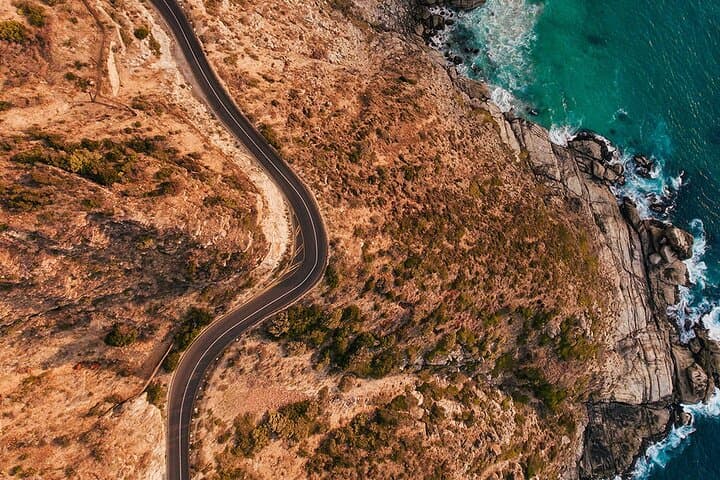
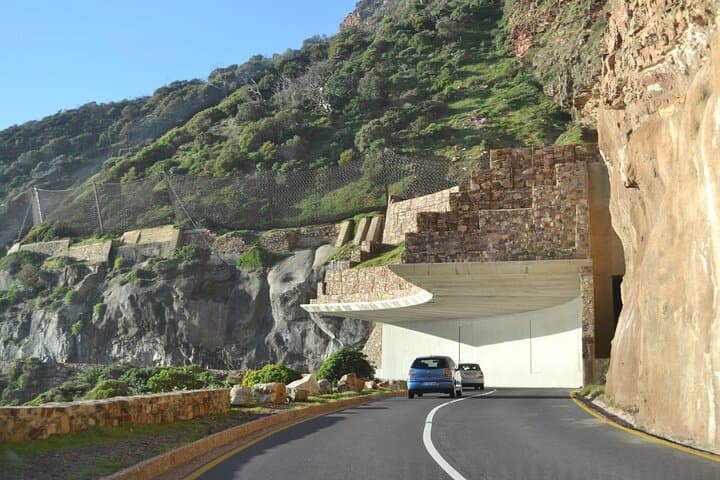
Morning light slides over Table Mountain as a private vehicle leaves Cape Town, the ocean alternately flanking the road and pressing into view. The tour moves from the cobbled color of Bo-Kaap through False Bay’s beach towns, around the cliffs of Chapman's Peak and out to the wind-carved headlands of Cape Point. Waves dare the rocky shore while the cliffs push your gaze far offshore.
Verified experiences and guided adventures in the surrounding area.
Operated by Paul polano tours · Cape Town, Western Cape
Morning light slides over Table Mountain as a private vehicle leaves Cape Town, the ocean alternately flanking the road and pressing into view. The tour moves from the cobbled color of Bo-Kaap through False Bay’s beach towns, around the cliffs of Chapman's Peak and out to the wind-carved headlands of Cape Point. Waves dare the rocky shore while the cliffs push your gaze far offshore.
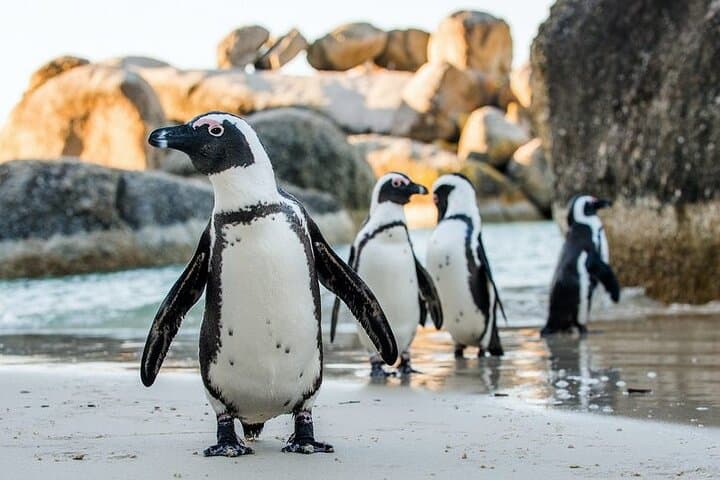
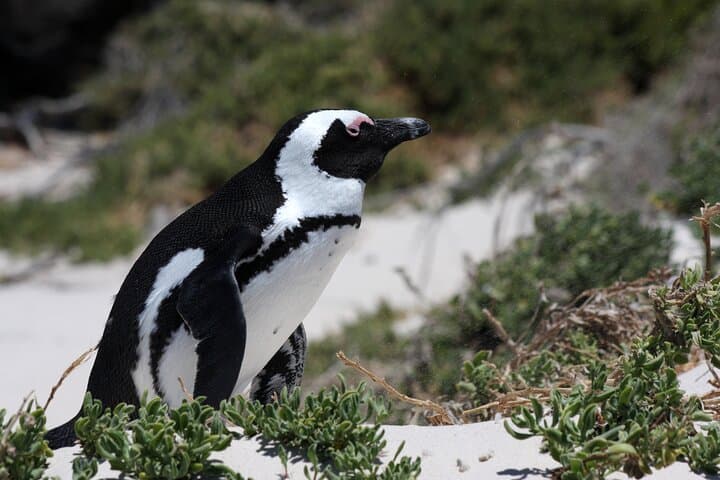
Bo-Kaap frames the day with 18th‑century Cape Malay history—houses painted by communities who have shaped the city’s cuisine and faith. Geologically, the Cape Peninsula is a patchwork of Table Mountain sandstone and Cape granite, the coastal roads cut into slopes that have been uplifted and eroded over millions of years. Simon’s Town brings naval history; Hout Bay offers working harbors and a local fishing culture. At Boulders Beach you’ll find an African penguin colony protected by conservation measures that limit disturbance.
Practical guidance: expect a full 7‑hour day with several short walks and one moderate uphill to the Cape Point lighthouse. Weather on the peninsula changes fast—bring a windproof layer and sun protection. Respect wildlife rules: do not feed or approach penguins or baboons; follow your guide for safe viewing points. Timing matters—Chapman’s Peak is best light early or late; midday can be bright but windy. Carry cash or card for optional lunches and small souvenir stalls. With a private guide you’ll trade crowds for context—history, geology and wildlife interpreted on your timeline, and a route designed to make the most of light, tides and viewing windows.
easy.
6–8 hours.
Suitable for most fitness levels; involves several short walks and one moderate uphill to Cape Point lighthouse
No—African penguins live in colonies but sightings are very likely; their presence can vary seasonally and with local disturbances.
Lunch is typically not included; most itineraries stop in Simon’s Town or Hout Bay where you can buy a meal or bring your own.
Chapman's Peak Drive has a toll; many private tours include the toll in the price but confirm with the operator beforehand.
Yes—the tour is family-friendly with short walks; however, those with mobility issues should check specific walking distances and uneven surfaces at viewpoints.
Bo‑Kaap reflects 18th-century Cape Malay settlement and cultural influence; Simon’s Town is historically linked to South Africa’s naval presence.
Boulders Beach is managed to protect the endangered African penguin—stay on boardwalks and follow viewing guidelines; coastal erosion management and road controls on Chapman's Peak protect both scenery and safety.
Paul polano tours operates guided outdoor trips and adventures with an emphasis on safety, stewardship, and memorable experiences.
Morning light slides over Table Mountain as a private vehicle leaves Cape Town, the ocean alternately flanking the road and pressing into view. The tour moves from the cobbled color of Bo-Kaap through False Bay’s beach towns, around the cliffs of Chapman's Peak and out to the wind-carved headlands of Cape Point. Waves dare the rocky shore while the cliffs push your gaze far offshore.
Morning light slides over Table Mountain as a private vehicle leaves Cape Town, the ocean alternately flanking the road and pressing into view. The tour moves from the cobbled color of Bo-Kaap through False Bay’s beach towns, around the cliffs of Chapman's Peak and out to the wind-carved headlands of Cape Point. Waves dare the rocky shore while the cliffs push your gaze far offshore.
Bo-Kaap frames the day with 18th‑century Cape Malay history—houses painted by communities who have shaped the city’s cuisine and faith. Geologically, the Cape Peninsula is a patchwork of Table Mountain sandstone and Cape granite, the coastal roads cut into slopes that have been uplifted and eroded over millions of years. Simon’s Town brings naval history; Hout Bay offers working harbors and a local fishing culture. At Boulders Beach you’ll find an African penguin colony protected by conservation measures that limit disturbance.
Practical guidance: expect a full 7‑hour day with several short walks and one moderate uphill to the Cape Point lighthouse. Weather on the peninsula changes fast—bring a windproof layer and sun protection. Respect wildlife rules: do not feed or approach penguins or baboons; follow your guide for safe viewing points. Timing matters—Chapman’s Peak is best light early or late; midday can be bright but windy. Carry cash or card for optional lunches and small souvenir stalls. With a private guide you’ll trade crowds for context—history, geology and wildlife interpreted on your timeline, and a route designed to make the most of light, tides and viewing windows.