THE ADVENTURE COLLECTIVE® · Independent discovery and booking for outdoor travel

A one-day private circuit from Cape Town that pairs Chapman’s Peak’s cliffside panoramas with Cape Point’s raw headlands and the intimate charm of Boulders Beach’s African penguin colony. Expect short hikes, wildlife viewing, and a culturally rich stop in Bo‑Kaap.
A one-day private circuit from Cape Town that pairs Chapman’s Peak’s cliffside panoramas with Cape Point’s raw headlands and the intimate charm of Boulders Beach’s African penguin colony. Expect short hikes, wildlife viewing, and a culturally rich stop in Bo‑Kaap.
The morning air along Cape Town’s Atlantic seaboard has a clean, salt-cut edge that wakes the senses: wind pushing surf against craggy cliffs, gulls tracing the hooded silhouette of Table Mountain, and a private van rolling south with the windows down. This full-day drive threads from the manicured promenades of Sea Point and Camps Bay into a landscape that changes by the mile—cliffs giving way to fishing harbors, then to the broad fynbos sweeps of the Cape Point Nature Reserve.
Verified experiences and guided adventures in the surrounding area.
Operated by Itchy Feet Tours and Safaris · Cape Town, Western Cape
The morning air along Cape Town’s Atlantic seaboard has a clean, salt-cut edge that wakes the senses: wind pushing surf against craggy cliffs, gulls tracing the hooded silhouette of Table Mountain, and a private van rolling south with the windows down. This full-day drive threads from the manicured promenades of Sea Point and Camps Bay into a landscape that changes by the mile—cliffs giving way to fishing harbors, then to the broad fynbos sweeps of the Cape Point Nature Reserve.
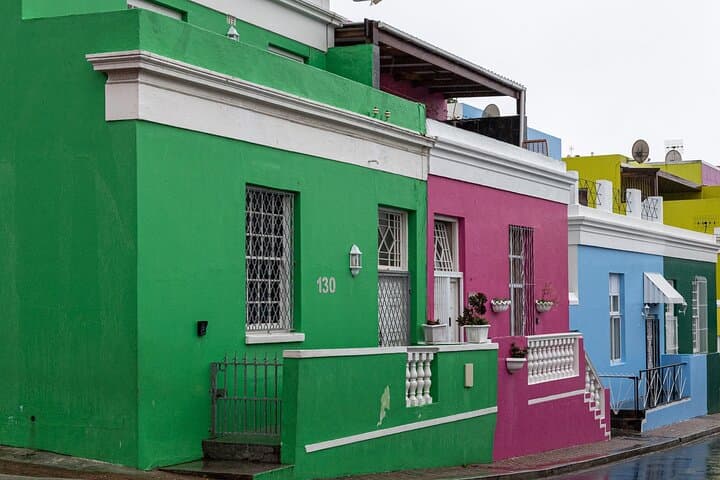
History hangs in the rocks and lighthouses. The Cape of Good Hope was a waypoint for Dutch and British ships whose names still appear on the pages of maritime records and shipwreck maps. Geology here is blunt and ancient: sandstone ridges folded against granite cores, eroded into the steep ramparts that Chapman’s Peak Drive clings to. Culture surfaces in the city-start: a guided walk through Bo-Kaap’s painted streets explains Cape Malay traditions born of centuries of trade, migration, and community resilience.
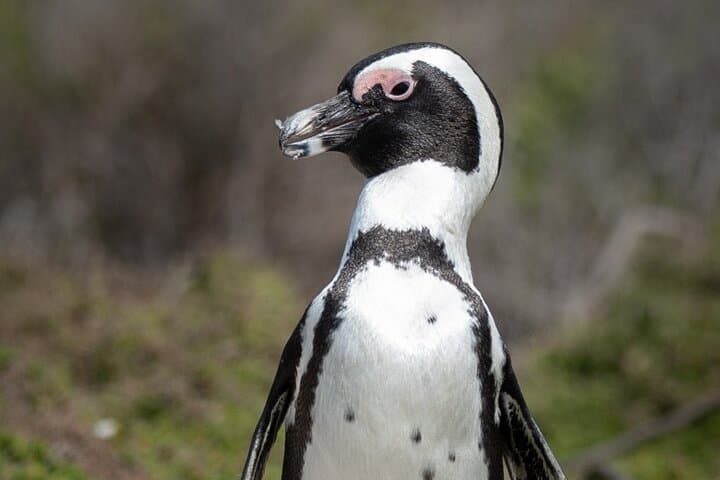
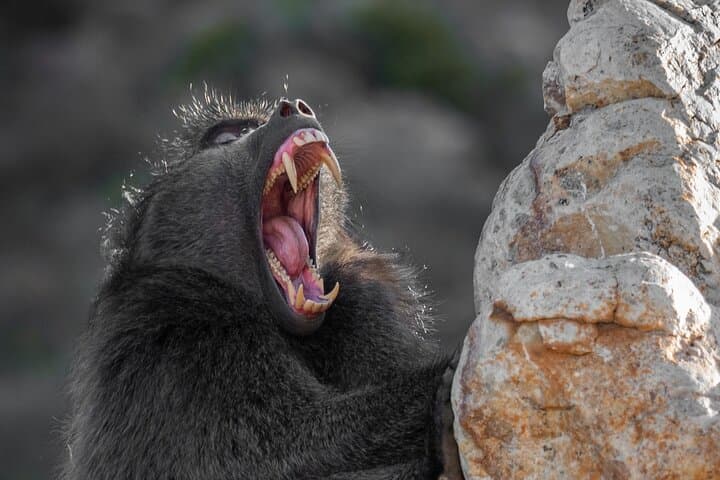
Wildlife anchors the day’s highlight. At Cape Point, ostriches and antelope graze the scrub while chacma baboons patrol the car parks—characters that demand respect. Later, at Boulders Beach a sheltered cove holds a colony of African penguins, waddling between granite bowling balls and careful boardwalks that let you watch without disturbing them.
The itinerary balances drive time with short walks: brief climbs to the historic Cape Point lighthouse (allow 30–60 minutes for the trail; elevation gain ~120m on uneven paths), boardwalk loops at Boulders (flat and accessible), and lookout stops on Chapman’s Peak where the road hangs like a ribbon along the cliff. The day includes entrance fees, tolls, bottled water, and hotel pickup and drop-off in an air-conditioned vehicle; lunch is at your expense in one of the harborside villages.
Practical realities matter. Travel early to avoid peak traffic on Chapman’s Peak and to catch softer light at the penguin colony. Bring layered clothing—coastal wind can be warm in sun and biting in shade—sturdy walking shoes, sun protection, and a small daypack. Baboons are opportunistic: keep bags zipped and food stored out of sight. If mobility is a concern, the tour notes wheelchair access for main areas and offers a funicular option at Cape Point for part of the climb.
For photographers and naturalists this route is efficient and rich: dramatic coastal vistas, intimate wildlife moments, and cultural color in the city’s older quarters. It’s an eight-hour loop that lets the peninsula do most of the storytelling—drive, step out, listen, and leave knowing you’ve seen the Atlantic coast at one of its most uncompromising stretches.
easy.
8 hours.
Suitable for most fitness levels; able to manage short, moderate uphill walks (30–60 minutes) and boardwalks.
Yes — Cape Point Nature Reserve and Boulders Beach entrance fees are included in the tour price as listed.
You can observe African penguins from the protected boardwalks that bring you close while preventing disturbance; handling or feeding is prohibited.
Major viewing areas and some routes are wheelchair accessible; the operator notes wheelchair access and can plan accordingly—mention mobility needs when booking.
Lunch is not included; the itinerary stops in seaside villages where you can choose a restaurant—allow roughly 45–90 minutes for a meal.
Expect to see chacma baboons, various seabirds, and in the reserve you may spot antelope or ostriches at a distance.
Yes — private pickup and drop-off are provided from most Cape Town hotels; confirm your pickup point when booking.
The Cape Peninsula has been a strategic maritime landmark since the 15th century; Cape Point’s lighthouses guided trading vessels and mark a long history of seafaring and shipwrecks.
African penguins are classified as endangered locally; the reserve and boardwalks are managed to minimize disturbance and habitat loss, and local groups work on invasive plant removal and penguin rehabilitation.
Itchy Feet Tours and Safaris operates guided outdoor trips and adventures with an emphasis on safety, stewardship, and memorable experiences.
The morning air along Cape Town’s Atlantic seaboard has a clean, salt-cut edge that wakes the senses: wind pushing surf against craggy cliffs, gulls tracing the hooded silhouette of Table Mountain, and a private van rolling south with the windows down. This full-day drive threads from the manicured promenades of Sea Point and Camps Bay into a landscape that changes by the mile—cliffs giving way to fishing harbors, then to the broad fynbos sweeps of the Cape Point Nature Reserve.
The morning air along Cape Town’s Atlantic seaboard has a clean, salt-cut edge that wakes the senses: wind pushing surf against craggy cliffs, gulls tracing the hooded silhouette of Table Mountain, and a private van rolling south with the windows down. This full-day drive threads from the manicured promenades of Sea Point and Camps Bay into a landscape that changes by the mile—cliffs giving way to fishing harbors, then to the broad fynbos sweeps of the Cape Point Nature Reserve.
History hangs in the rocks and lighthouses. The Cape of Good Hope was a waypoint for Dutch and British ships whose names still appear on the pages of maritime records and shipwreck maps. Geology here is blunt and ancient: sandstone ridges folded against granite cores, eroded into the steep ramparts that Chapman’s Peak Drive clings to. Culture surfaces in the city-start: a guided walk through Bo-Kaap’s painted streets explains Cape Malay traditions born of centuries of trade, migration, and community resilience.
Wildlife anchors the day’s highlight. At Cape Point, ostriches and antelope graze the scrub while chacma baboons patrol the car parks—characters that demand respect. Later, at Boulders Beach a sheltered cove holds a colony of African penguins, waddling between granite bowling balls and careful boardwalks that let you watch without disturbing them.
The itinerary balances drive time with short walks: brief climbs to the historic Cape Point lighthouse (allow 30–60 minutes for the trail; elevation gain ~120m on uneven paths), boardwalk loops at Boulders (flat and accessible), and lookout stops on Chapman’s Peak where the road hangs like a ribbon along the cliff. The day includes entrance fees, tolls, bottled water, and hotel pickup and drop-off in an air-conditioned vehicle; lunch is at your expense in one of the harborside villages.
Practical realities matter. Travel early to avoid peak traffic on Chapman’s Peak and to catch softer light at the penguin colony. Bring layered clothing—coastal wind can be warm in sun and biting in shade—sturdy walking shoes, sun protection, and a small daypack. Baboons are opportunistic: keep bags zipped and food stored out of sight. If mobility is a concern, the tour notes wheelchair access for main areas and offers a funicular option at Cape Point for part of the climb.
For photographers and naturalists this route is efficient and rich: dramatic coastal vistas, intimate wildlife moments, and cultural color in the city’s older quarters. It’s an eight-hour loop that lets the peninsula do most of the storytelling—drive, step out, listen, and leave knowing you’ve seen the Atlantic coast at one of its most uncompromising stretches.