THE ADVENTURE COLLECTIVE® · Independent discovery and booking for outdoor travel

Drive Chapman's Peak, stand at the dramatic cliffs of Cape Point, and meet the penguins at Boulders Beach on this full‑day circumnavigation of the Cape Peninsula. Expect sea vistas, wildlife sightings, and short walks with practical stops throughout the day.
Drive Chapman's Peak, stand at the dramatic cliffs of Cape Point, and meet the penguins at Boulders Beach on this full‑day circumnavigation of the Cape Peninsula. Expect sea vistas, wildlife sightings, and short walks with practical stops throughout the day.
You leave Cape Town before the city has finished brewing its morning coffee and the Atlantic already has a cold, bright edge. The road peels away along Chapman's Peak—9 km of carved cliff, 114 bends—and the ocean leans in like an old dare, wind combing hair and jackets as lookout points reveal vertical drops and surf smashing against black rock. This is a day measured in seaside panoramas: white sand at Clifton, bobbing boats in Hout Bay, the cathedral cliffs of Cape Point where the sea seems to push at the headland.
Verified experiences and guided adventures in the surrounding area.
Operated by Bantu Safaris Southern Africa · Cape Town, Western Cape
You leave Cape Town before the city has finished brewing its morning coffee and the Atlantic already has a cold, bright edge. The road peels away along Chapman's Peak—9 km of carved cliff, 114 bends—and the ocean leans in like an old dare, wind combing hair and jackets as lookout points reveal vertical drops and surf smashing against black rock. This is a day measured in seaside panoramas: white sand at Clifton, bobbing boats in Hout Bay, the cathedral cliffs of Cape Point where the sea seems to push at the headland.
Cape Point and the Cape of Good Hope are more than postcard stops. Geologically they are the worn, dramatic edge of the Cape Fold Belt—hard Table Mountain sandstone folded over millennia into cliffs and promontories that funnel storms and feed upwelling currents. History clings here: Portuguese navigators like Bartolomeu Dias rounded these shores in the late 15th century and marked them as a turning point in global navigation; today small monuments and interpretive panels nod to those voyages.
Wildlife is conspicuous and sometimes boldly curious—baboons patrolling picnic areas, skittish buck on scrubby slopes, and a thriving penguin colony at Boulders Beach where African penguins paddle like small, tuxedoed boats. Hout Bay offers the option of a short boat ride to Seal Island to watch thousands of Cape fur seals laze and launch; from June to November whales seasonally lift their backs above the swell.
Practicalities matter on a full-day loop. Expect a roughly 10‑hour day with around two hours of driving between highlights—an air‑conditioned coach handles the miles, but you should come prepared for weather swings. The coast is exposed; mornings can be calm and afternoons windy. There’s a small conservation fee to enter Boulders Beach (and optional admissions at Cape Point), so carry a card or small cash. Keep a respectful distance from baboons—don’t feed them—and follow signage in the nature reserves.
Timing is everything: start early to beat the crowds at Chapman's Peak and secure a bench at the Cape Point lookout for late-afternoon light. Wear sturdy shoes if you plan the short hikes from parking to the lighthouse and viewpoints; sunscreen and a windproof shell are non-negotiable. Bring binoculars for marine life, a refillable water bottle—the tour provides bottled water—and a camera with a wide-angle lens for cliff-edge vistas. The region rewards curiosity: stroll the Harbour in Simon’s Town, sip coffee in Kalk Bay, and if you have extra time, linger on Muizenberg’s colorful beach huts while surfers work the waves.
The Cape Peninsula is at once theatrical and intimate: an exposed spine of land that still manages to reveal quiet coves, accidental wildlife encounters, and geological stories written in stone and sea. For a single day it does a remarkable job of showing you the extremes—and giving you a practical route to see them.
easy.
10 hours (full day).
Suitable for people in average fitness; involves short walks to viewpoints and some standing.
The tour runs about 10 hours; pickup is typically early morning (times vary by hotel), and you should expect to return to Cape Town in the evening.
Admission to Cape Point is often included but Boulders Beach requires a separate conservation fee (approx R190 adults, R95 children) which may not be covered—bring payment just in case.
Swimming in areas near penguins is allowed in designated zones but you must follow signage and keep distances to avoid disturbing the colony.
Lunch and bottled water are included on this tour; dietary requirements can be accommodated if noted at booking.
Yes—infants can ride in strollers and are required to sit on laps; the tour is family‑friendly though be cautious around wildlife and cliff edges.
Stay calm, keep doors closed, do not feed or attempt to shoo them; notify your guide who will manage the situation according to park rules.
The Cape Peninsula was a major waypoint for early European navigators; Bartolomeu Dias and Vasco da Gama charted these capes in the late 15th century, shaping global sea routes.
The region balances tourism with fragile ecosystems—stick to marked trails, pay conservation fees which fund reserve work, and avoid disturbing nesting or haul‑out sites.
Bantu Safaris Southern Africa operates guided outdoor trips and adventures with an emphasis on safety, stewardship, and memorable experiences.
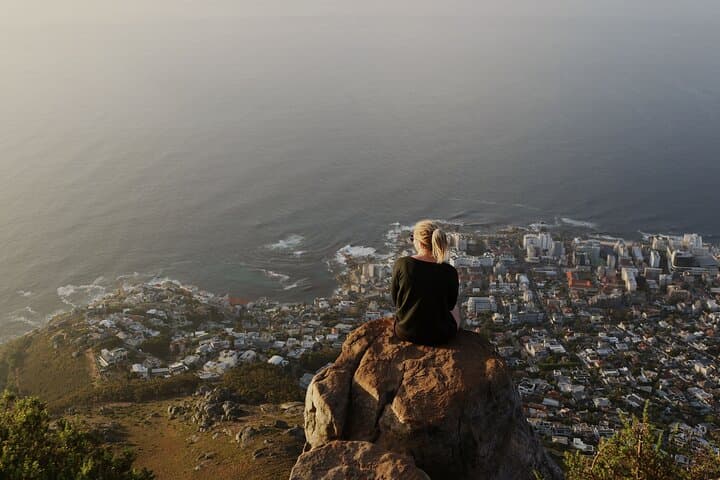
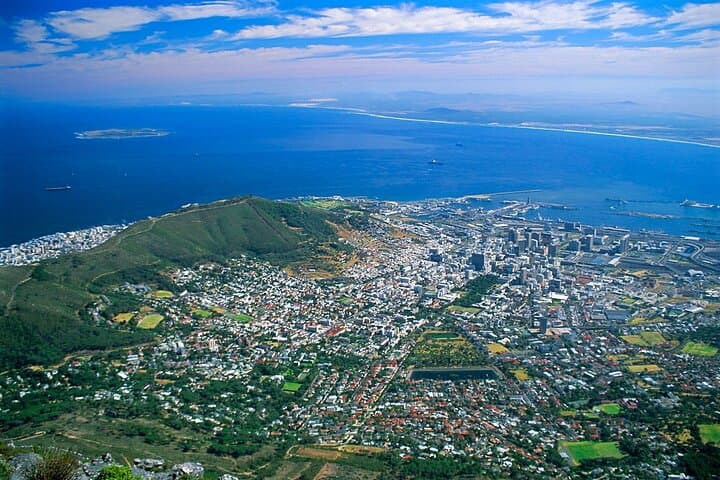
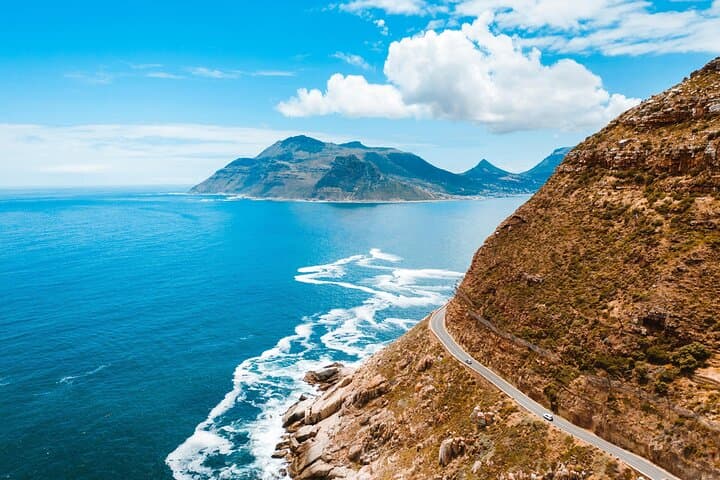
You leave Cape Town before the city has finished brewing its morning coffee and the Atlantic already has a cold, bright edge. The road peels away along Chapman's Peak—9 km of carved cliff, 114 bends—and the ocean leans in like an old dare, wind combing hair and jackets as lookout points reveal vertical drops and surf smashing against black rock. This is a day measured in seaside panoramas: white sand at Clifton, bobbing boats in Hout Bay, the cathedral cliffs of Cape Point where the sea seems to push at the headland.
You leave Cape Town before the city has finished brewing its morning coffee and the Atlantic already has a cold, bright edge. The road peels away along Chapman's Peak—9 km of carved cliff, 114 bends—and the ocean leans in like an old dare, wind combing hair and jackets as lookout points reveal vertical drops and surf smashing against black rock. This is a day measured in seaside panoramas: white sand at Clifton, bobbing boats in Hout Bay, the cathedral cliffs of Cape Point where the sea seems to push at the headland.
Cape Point and the Cape of Good Hope are more than postcard stops. Geologically they are the worn, dramatic edge of the Cape Fold Belt—hard Table Mountain sandstone folded over millennia into cliffs and promontories that funnel storms and feed upwelling currents. History clings here: Portuguese navigators like Bartolomeu Dias rounded these shores in the late 15th century and marked them as a turning point in global navigation; today small monuments and interpretive panels nod to those voyages.
Wildlife is conspicuous and sometimes boldly curious—baboons patrolling picnic areas, skittish buck on scrubby slopes, and a thriving penguin colony at Boulders Beach where African penguins paddle like small, tuxedoed boats. Hout Bay offers the option of a short boat ride to Seal Island to watch thousands of Cape fur seals laze and launch; from June to November whales seasonally lift their backs above the swell.
Practicalities matter on a full-day loop. Expect a roughly 10‑hour day with around two hours of driving between highlights—an air‑conditioned coach handles the miles, but you should come prepared for weather swings. The coast is exposed; mornings can be calm and afternoons windy. There’s a small conservation fee to enter Boulders Beach (and optional admissions at Cape Point), so carry a card or small cash. Keep a respectful distance from baboons—don’t feed them—and follow signage in the nature reserves.
Timing is everything: start early to beat the crowds at Chapman's Peak and secure a bench at the Cape Point lookout for late-afternoon light. Wear sturdy shoes if you plan the short hikes from parking to the lighthouse and viewpoints; sunscreen and a windproof shell are non-negotiable. Bring binoculars for marine life, a refillable water bottle—the tour provides bottled water—and a camera with a wide-angle lens for cliff-edge vistas. The region rewards curiosity: stroll the Harbour in Simon’s Town, sip coffee in Kalk Bay, and if you have extra time, linger on Muizenberg’s colorful beach huts while surfers work the waves.
The Cape Peninsula is at once theatrical and intimate: an exposed spine of land that still manages to reveal quiet coves, accidental wildlife encounters, and geological stories written in stone and sea. For a single day it does a remarkable job of showing you the extremes—and giving you a practical route to see them.