THE ADVENTURE COLLECTIVE® · Independent discovery and booking for outdoor travel

Drive Chapman's Peak, meet the penguins at Boulders Beach and stand where two oceans argue at Cape Point. This private day tour blends coastal geology, naval history, and wildlife viewing into an accessible 8‑hour loop from Cape Town.
Drive Chapman's Peak, meet the penguins at Boulders Beach and stand where two oceans argue at Cape Point. This private day tour blends coastal geology, naval history, and wildlife viewing into an accessible 8‑hour loop from Cape Town.
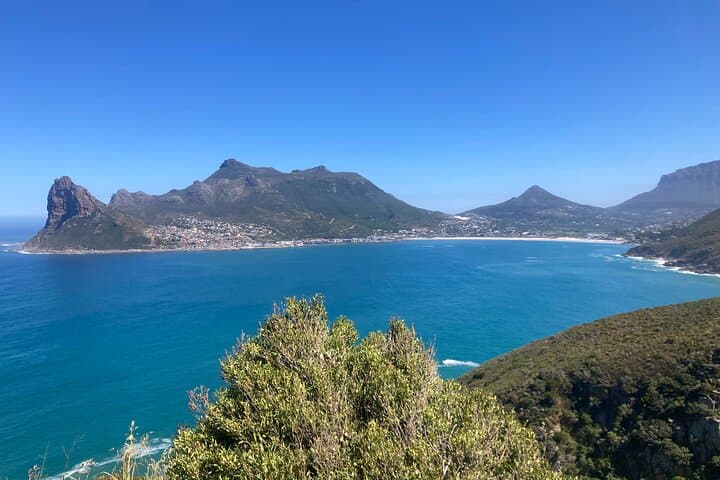
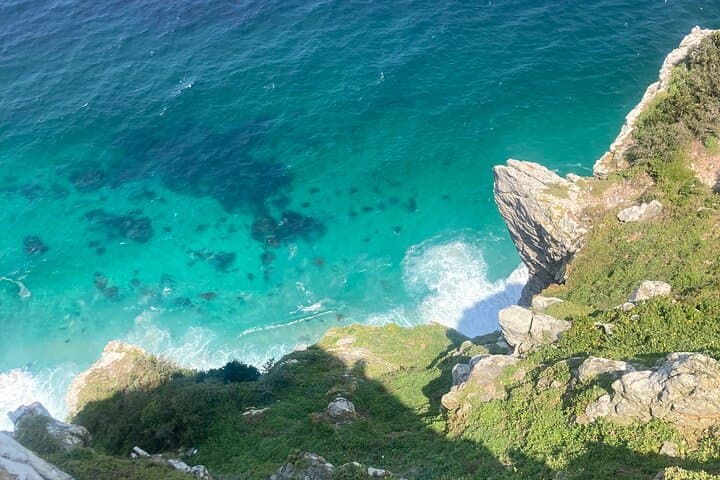
The day begins before the sun softens the Atlantic. A small convoy pulls away from Cape Town’s city edge and the road unfolds—Chapman’s Peak carving a white line into the cliff, ocean spray daring the safety rail to hold. You feel the coastline move under you: fishermen’s harbors, steep fynbos slopes, and the abrupt, granite-haunted beaches where African penguins waddle in patient colonies.
Verified experiences and guided adventures in the surrounding area.
Operated by Afrika Mia Tours · Cape Town, Western Cape
The day begins before the sun softens the Atlantic. A small convoy pulls away from Cape Town’s city edge and the road unfolds—Chapman’s Peak carving a white line into the cliff, ocean spray daring the safety rail to hold. You feel the coastline move under you: fishermen’s harbors, steep fynbos slopes, and the abrupt, granite-haunted beaches where African penguins waddle in patient colonies.
This loop through the Cape Peninsula reads like a cross-section of South Africa’s geologic and human stories. The high sandstone buttresses of the Cape Fold Belt drop suddenly to wave-scraped granite at Boulders Beach; the rounded boulders here are the weathered fingerprints of deep-time intrusive rock. Sailors from Portugal and the Netherlands named these capes and hazards centuries ago—the Cape of Good Hope was once a hopeful waypoint for ships threading the Indian and Atlantic Oceans. Simon’s Town, with its naval history, still hums with fish markets and seaside cafes that keep the maritime memory alive.
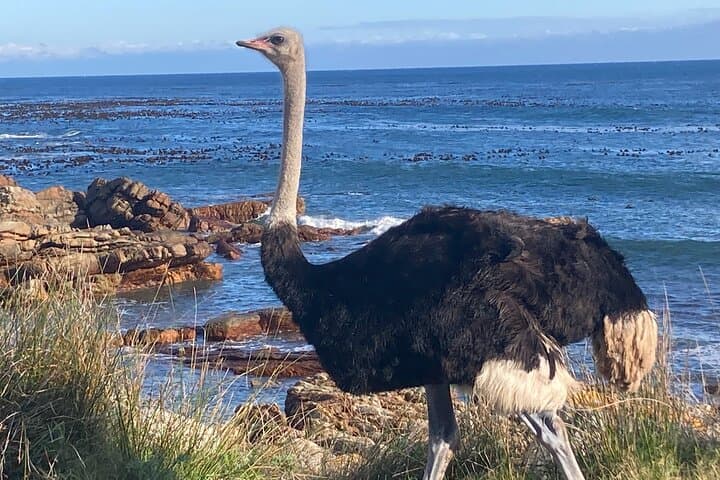
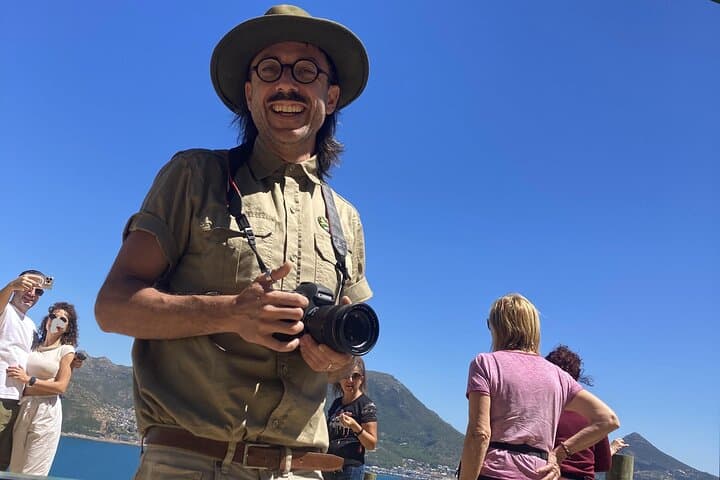
On this private tour you’ll pause often: a lookout on Chapman’s Peak Drive, the boardwalk among penguins at Boulders, and the wind-exposed paths of Cape Point National Park. The park’s trails offer short hikes—steep spurts followed by long views—where baboons and coastal birds keep a wary eye on visitors. Guides here blend local history, conservation updates, and the kind of route knowledge that turns a sightseeing day into a textured, memorable route.
Practical side: expect an 8-hour day with about 1–1.5 hours of driving each way from central Cape Town. Chapman’s Peak Drive is roughly 8–9 km of cliffside road with multiple pullouts; plan 30–45 minutes to stop and soak in the views. Boulders Beach usually takes 45–60 minutes if you want time on the boardwalk and photos; Cape Point deserves at least 1.5–2 hours to hike to viewpoints and the lighthouse. Wear sturdy shoes for short, rocky hikes and bring sun protection and water—the sun off the ocean is relentless.
Timing matters: mornings are cooler and quieter at the national park; late afternoon delivers dramatic light on the cliffs but more visitors. Respect the penguins—stay on designated paths and keep your distance. The tour includes bottled water, an air-conditioned vehicle, and hotel pickup within roughly a 10 km radius. It’s a day of wide horizons, tough coastline, and surprisingly intimate wildlife encounters—an efficient way to let the Cape Peninsula show its most honest face.
easy.
8 hours.
Suitable for most fitness levels; requires short walks and some stair/steep sections at viewpoints
Confirm with the operator—this tour’s itinerary notes some admissions are not included; expect to pay park entry at Cape Point if it’s not covered.
Boardwalks at Boulders Beach take you near the colony while keeping a respectful buffer—the guide enforces distance to protect birds.
Yes—this is a low-impact day tour with driving between sites; minimal hiking is optional but some sections have stairs or uneven ground.
Yes—hotel pickup is offered within roughly a 10 km radius of central Cape Town; confirm your pickup point when booking.
Penguins can be seen year-round; spring and summer bring more bird activity and warmer weather for walks.
Some beaches like Camps Bay are swim-friendly in suitable conditions, but currents can be strong—observe local signage and avoid swimming at Cape Point’s exposed cliffs.
The Cape was a critical waypoint for European voyagers from the 15th century; Simon’s Town later became an important naval base and fishing community.
Cape Point National Park and local NGOs actively protect the endangered African penguin; staying on paths and following guide rules reduces disturbance and supports conservation efforts.
Afrika Mia Tours operates guided outdoor trips and adventures with an emphasis on safety, stewardship, and memorable experiences.
The day begins before the sun softens the Atlantic. A small convoy pulls away from Cape Town’s city edge and the road unfolds—Chapman’s Peak carving a white line into the cliff, ocean spray daring the safety rail to hold. You feel the coastline move under you: fishermen’s harbors, steep fynbos slopes, and the abrupt, granite-haunted beaches where African penguins waddle in patient colonies.
The day begins before the sun softens the Atlantic. A small convoy pulls away from Cape Town’s city edge and the road unfolds—Chapman’s Peak carving a white line into the cliff, ocean spray daring the safety rail to hold. You feel the coastline move under you: fishermen’s harbors, steep fynbos slopes, and the abrupt, granite-haunted beaches where African penguins waddle in patient colonies.
This loop through the Cape Peninsula reads like a cross-section of South Africa’s geologic and human stories. The high sandstone buttresses of the Cape Fold Belt drop suddenly to wave-scraped granite at Boulders Beach; the rounded boulders here are the weathered fingerprints of deep-time intrusive rock. Sailors from Portugal and the Netherlands named these capes and hazards centuries ago—the Cape of Good Hope was once a hopeful waypoint for ships threading the Indian and Atlantic Oceans. Simon’s Town, with its naval history, still hums with fish markets and seaside cafes that keep the maritime memory alive.
On this private tour you’ll pause often: a lookout on Chapman’s Peak Drive, the boardwalk among penguins at Boulders, and the wind-exposed paths of Cape Point National Park. The park’s trails offer short hikes—steep spurts followed by long views—where baboons and coastal birds keep a wary eye on visitors. Guides here blend local history, conservation updates, and the kind of route knowledge that turns a sightseeing day into a textured, memorable route.
Practical side: expect an 8-hour day with about 1–1.5 hours of driving each way from central Cape Town. Chapman’s Peak Drive is roughly 8–9 km of cliffside road with multiple pullouts; plan 30–45 minutes to stop and soak in the views. Boulders Beach usually takes 45–60 minutes if you want time on the boardwalk and photos; Cape Point deserves at least 1.5–2 hours to hike to viewpoints and the lighthouse. Wear sturdy shoes for short, rocky hikes and bring sun protection and water—the sun off the ocean is relentless.
Timing matters: mornings are cooler and quieter at the national park; late afternoon delivers dramatic light on the cliffs but more visitors. Respect the penguins—stay on designated paths and keep your distance. The tour includes bottled water, an air-conditioned vehicle, and hotel pickup within roughly a 10 km radius. It’s a day of wide horizons, tough coastline, and surprisingly intimate wildlife encounters—an efficient way to let the Cape Peninsula show its most honest face.