THE ADVENTURE COLLECTIVE® · Independent discovery and booking for outdoor travel

A single-day circuit of the Cape Peninsula delivers penguin colonies, a working lighthouse at Cape Point, seal-viewing harbors, wine at Klein Constantia and an optional Table Mountain cable car. This guide breaks down what to expect, when to go, and what to pack.
A single-day circuit of the Cape Peninsula delivers penguin colonies, a working lighthouse at Cape Point, seal-viewing harbors, wine at Klein Constantia and an optional Table Mountain cable car. This guide breaks down what to expect, when to go, and what to pack.
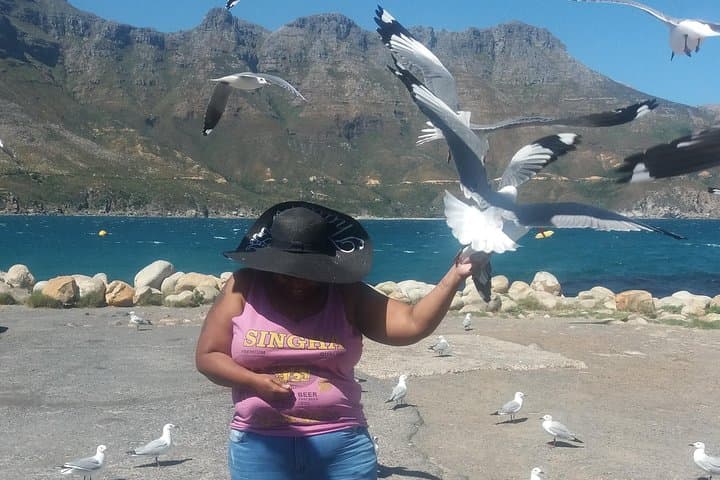
You step off the minivan at a wind-swept cove and the ocean seems to be working at its edges — waves tugging grit from the cliffs, gulls arguing over a scrap of kelp. A guide points out a waddling line of African penguins on a stretch of pale sand: their tuxedos look pragmatic rather than theatrical as they shuffle toward the water. Over the next six hours the coastline alternates between low, fragrant fynbos slopes and dramatic headlands that hunch into the Atlantic — this is the Cape Peninsula in concentrated form.
Verified experiences and guided adventures in the surrounding area.
Operated by Juma Art Tours · Cape Town, Western Cape
You step off the minivan at a wind-swept cove and the ocean seems to be working at its edges — waves tugging grit from the cliffs, gulls arguing over a scrap of kelp. A guide points out a waddling line of African penguins on a stretch of pale sand: their tuxedos look pragmatic rather than theatrical as they shuffle toward the water. Over the next six hours the coastline alternates between low, fragrant fynbos slopes and dramatic headlands that hunch into the Atlantic — this is the Cape Peninsula in concentrated form.
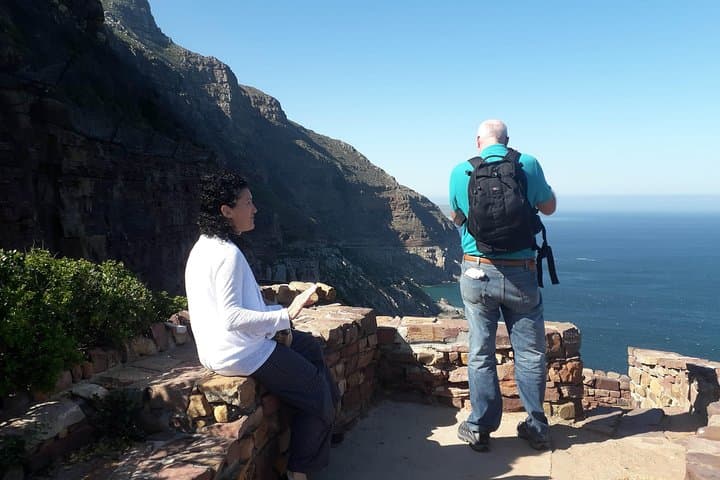
The peninsula’s geology reads like a slow-motion collision: Table Mountain’s sandstone slabs, laid down 450 million years ago, stack against the younger, harder Cape Granite. Where the rocks meet the sea, surf carves small amphitheaters and deep coves. European explorers put the “Cape of Good Hope” on many maps here, but people have called the Cape home for thousands of years — Khoikhoi and San communities fished and tracked through the scrub long before lighthouses and wine estates arrived.
Culture in the Cape is stitched from maritime history, colonial settlement, and a vibrant modern South African mix. In Constantiaberg you’ll pass Cape Dutch homesteads and vineyards like Klein Constantia, where wine tasting is a quiet way to sample centuries of agricultural change. At Cape Point, the lighthouse stands not as a postcard but as a working signal — the sea still demands respect. Baboons and ostriches appear with the same matter-of-factness as the scenery; wildlife here isn’t staged, it’s part of the route.
Practically speaking, this is a full but accessible day. The itinerary packs in classic stops — a penguin colony, Cape Point and the Cape of Good Hope, a seal-viewing harbor, a Klein Constantia tasting, and a Table Mountain cable car option — so be ready for short walks, photo stops, and the occasional climb to viewpoints.
Timing is everything: mornings tend to be calmer at the penguin beaches, while late afternoon light sharpens the cliffs and softens the vines. Dress in layers — the ocean breeze can turn a summer afternoon cool. Bring a windproof shell, sturdy walking shoes, sunscreen, and a refillable water bottle. If you’re prone to motion sickness, the coastal road has its turns; choose a seat near the front of the vehicle. Finally, move deliberately around wildlife: keep distance from penguins and baboons and follow your guide’s instructions to protect animals and yourself.
For travelers who want a compact survey of the Cape’s extremes — sea, mountain, wildlife, and wine — this tailored peninsula tour delivers a layered day: sensory, convenient, and full of options to linger where you choose.
moderate.
6 hours.
Suitable for travelers in average fitness — includes short walks on uneven ground and optional cable car access for minimal climbing.
The tour runs about six hours and covers multiple stops along the peninsula, typically returning to Cape Town in the afternoon.
Wildlife sightings are likely but not guaranteed; animals move naturally and viewing depends on conditions and timing.
The operator notes wheelchair and stroller accessibility for transport and many surfaces, but some viewing areas have steps or uneven ground — check specific needs when booking.
Yes — the itinerary includes a stop at Klein Constantia for a tasting; entrance fees or tasting costs may be extra.
Early morning and late afternoon light are best for coastal cliffs and penguin beaches; mid-morning can be busy at popular stops.
The tour operator may cancel for bad weather with a full refund if canceled at least 24 hours in advance; dress in layers as conditions can change.
European sailors used the Cape of Good Hope as a navigational marker from the 15th century; earlier Indigenous communities shaped the peninsula’s human history for millennia.
Penguin colonies are vulnerable to habitat loss and fishing pressure; visitors should keep distance and support local conservation groups when possible.
Juma Art Tours operates guided outdoor trips and adventures with an emphasis on safety, stewardship, and memorable experiences.
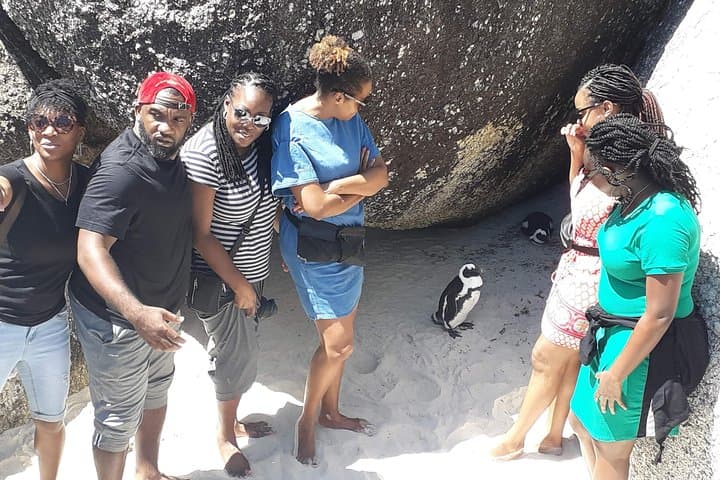
You step off the minivan at a wind-swept cove and the ocean seems to be working at its edges — waves tugging grit from the cliffs, gulls arguing over a scrap of kelp. A guide points out a waddling line of African penguins on a stretch of pale sand: their tuxedos look pragmatic rather than theatrical as they shuffle toward the water. Over the next six hours the coastline alternates between low, fragrant fynbos slopes and dramatic headlands that hunch into the Atlantic — this is the Cape Peninsula in concentrated form.
You step off the minivan at a wind-swept cove and the ocean seems to be working at its edges — waves tugging grit from the cliffs, gulls arguing over a scrap of kelp. A guide points out a waddling line of African penguins on a stretch of pale sand: their tuxedos look pragmatic rather than theatrical as they shuffle toward the water. Over the next six hours the coastline alternates between low, fragrant fynbos slopes and dramatic headlands that hunch into the Atlantic — this is the Cape Peninsula in concentrated form.
The peninsula’s geology reads like a slow-motion collision: Table Mountain’s sandstone slabs, laid down 450 million years ago, stack against the younger, harder Cape Granite. Where the rocks meet the sea, surf carves small amphitheaters and deep coves. European explorers put the “Cape of Good Hope” on many maps here, but people have called the Cape home for thousands of years — Khoikhoi and San communities fished and tracked through the scrub long before lighthouses and wine estates arrived.
Culture in the Cape is stitched from maritime history, colonial settlement, and a vibrant modern South African mix. In Constantiaberg you’ll pass Cape Dutch homesteads and vineyards like Klein Constantia, where wine tasting is a quiet way to sample centuries of agricultural change. At Cape Point, the lighthouse stands not as a postcard but as a working signal — the sea still demands respect. Baboons and ostriches appear with the same matter-of-factness as the scenery; wildlife here isn’t staged, it’s part of the route.
Practically speaking, this is a full but accessible day. The itinerary packs in classic stops — a penguin colony, Cape Point and the Cape of Good Hope, a seal-viewing harbor, a Klein Constantia tasting, and a Table Mountain cable car option — so be ready for short walks, photo stops, and the occasional climb to viewpoints.
Timing is everything: mornings tend to be calmer at the penguin beaches, while late afternoon light sharpens the cliffs and softens the vines. Dress in layers — the ocean breeze can turn a summer afternoon cool. Bring a windproof shell, sturdy walking shoes, sunscreen, and a refillable water bottle. If you’re prone to motion sickness, the coastal road has its turns; choose a seat near the front of the vehicle. Finally, move deliberately around wildlife: keep distance from penguins and baboons and follow your guide’s instructions to protect animals and yourself.
For travelers who want a compact survey of the Cape’s extremes — sea, mountain, wildlife, and wine — this tailored peninsula tour delivers a layered day: sensory, convenient, and full of options to linger where you choose.