THE ADVENTURE COLLECTIVE® · Independent discovery and booking for outdoor travel

Spend a day on the Cape Peninsula with a marine biologist guiding real-time wildlife sightings, from African penguins to humpback whales. Expect easy walking, coastal geology, and a private rooibos tasting away from the crowds.
Spend a day on the Cape Peninsula with a marine biologist guiding real-time wildlife sightings, from African penguins to humpback whales. Expect easy walking, coastal geology, and a private rooibos tasting away from the crowds.
The morning opens with salt on your lips and the road cutting like a promise along Chapman’s Peak.
You meet at a small Constantia deli over coffee and hot croissants, then the coastline becomes a living atlas: penguins preening on granite, kelp beds anchoring a cold ocean that pushes and shapes the shore, and the occasional spout of a humpback lifting the horizon.
Verified experiences and guided adventures in the surrounding area.
Operated by RockHopper Tours · Cape Town, Western Cape
The morning opens with salt on your lips and the road cutting like a promise along Chapman’s Peak.
You meet at a small Constantia deli over coffee and hot croissants, then the coastline becomes a living atlas: penguins preening on granite, kelp beds anchoring a cold ocean that pushes and shapes the shore, and the occasional spout of a humpback lifting the horizon.
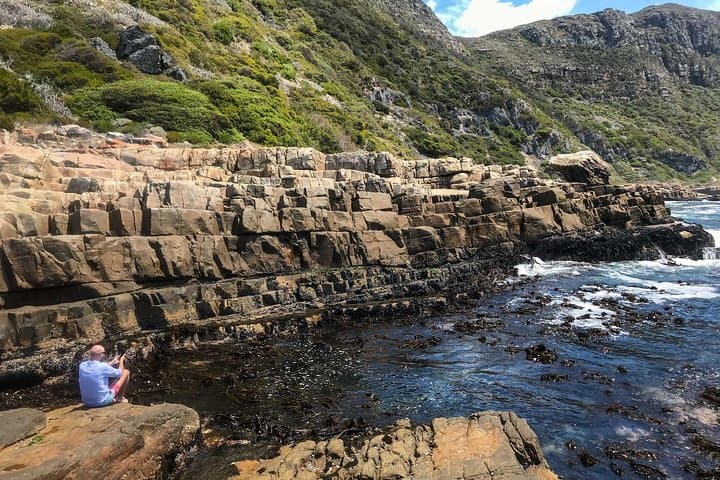
This stretch of the Cape Peninsula is geologically young—ancient granite thrown up and carved by wind and wave—and culturally layered, from early maritime traders to modern conservation efforts that protect the African penguin and local fisheries.
The area’s tangled fynbos flora tells a story of fire-adapted resilience while local communities balance tourism and tradition through small delis, wineries and family-run coastal initiatives.
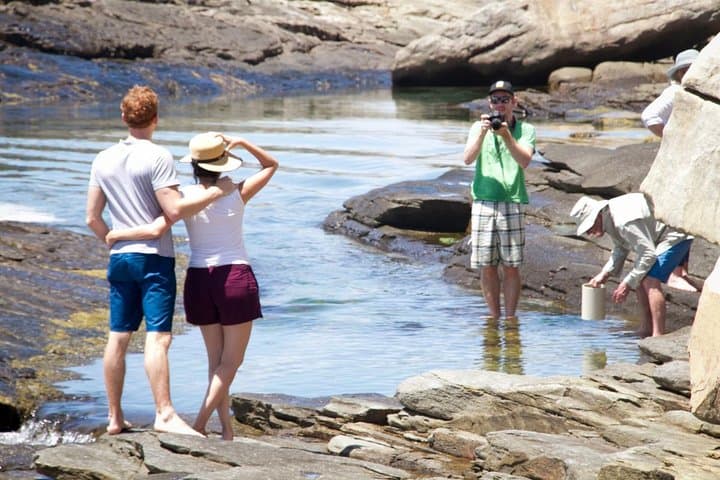
A marine biologist-led day means real-time decisions: shorelines and rock pools for tidal life, scenic stops at Cape Point and Boulders Beach, and a private break to taste rooibos and rusks away from the crowds.
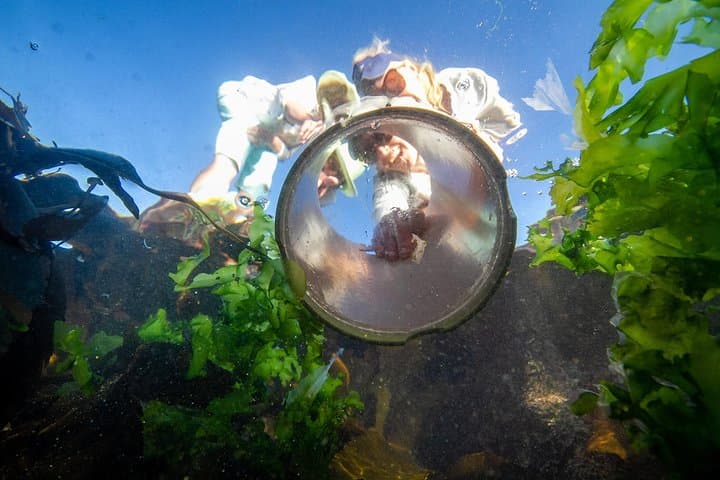
Expect easy walking on boardwalks and shorelines, short drives between viewpoints, and optional snorkel dips in protected rock pools.
Practical guidance: start early to avoid buses, wear layered windproof clothing, bring a waterproof daypack and trusted walking shoes, and charge a camera with a zoom—wildlife sightings are opportunistic.
Respect distance rules around penguin colonies and follow your guide’s biosecurity steps to avoid spreading invasive species.
This is a day of close observation and slow travel—pack curiosity and patience.
easy.
8–9 hours.
Suitable for all fitness levels; requires short walks on uneven rocky shorelines and boardwalks.
Sightings are seasonal and opportunistic; the guide adjusts the route to maximize chances of seeing penguins, whales (in season), seals and other marine life.
Mask and snorkel are provided for rock-pool dips; snorkeling is optional and conducted in sheltered, low-current settings under the guide’s supervision.
Walking is light to moderate—short stretches on boardwalks and rocky shorelines; most travel is by comfortable, air-conditioned ECO-vehicle.
Yes—tea and rusks on a secluded shoreline and a deli lunch are included; inform the operator of dietary needs when booking.
The Cape Peninsula’s maritime history spans early sailors navigating the Cape of Good Hope and later conservation efforts to protect diminishing penguin colonies.
Tours operate with low-impact principles—biosecurity for shore access and a tree-planting program tied to each trip help restore local ecosystems.
RockHopper Tours operates guided outdoor trips and adventures with an emphasis on safety, stewardship, and memorable experiences.
The morning opens with salt on your lips and the road cutting like a promise along Chapman’s Peak.
You meet at a small Constantia deli over coffee and hot croissants, then the coastline becomes a living atlas: penguins preening on granite, kelp beds anchoring a cold ocean that pushes and shapes the shore, and the occasional spout of a humpback lifting the horizon.
The morning opens with salt on your lips and the road cutting like a promise along Chapman’s Peak.
You meet at a small Constantia deli over coffee and hot croissants, then the coastline becomes a living atlas: penguins preening on granite, kelp beds anchoring a cold ocean that pushes and shapes the shore, and the occasional spout of a humpback lifting the horizon.
This stretch of the Cape Peninsula is geologically young—ancient granite thrown up and carved by wind and wave—and culturally layered, from early maritime traders to modern conservation efforts that protect the African penguin and local fisheries.
The area’s tangled fynbos flora tells a story of fire-adapted resilience while local communities balance tourism and tradition through small delis, wineries and family-run coastal initiatives.
A marine biologist-led day means real-time decisions: shorelines and rock pools for tidal life, scenic stops at Cape Point and Boulders Beach, and a private break to taste rooibos and rusks away from the crowds.
Expect easy walking on boardwalks and shorelines, short drives between viewpoints, and optional snorkel dips in protected rock pools.
Practical guidance: start early to avoid buses, wear layered windproof clothing, bring a waterproof daypack and trusted walking shoes, and charge a camera with a zoom—wildlife sightings are opportunistic.
Respect distance rules around penguin colonies and follow your guide’s biosecurity steps to avoid spreading invasive species.
This is a day of close observation and slow travel—pack curiosity and patience.