THE ADVENTURE COLLECTIVE® · Independent discovery and booking for outdoor travel

A compact loop from Cape Town that pairs the cultural streets of Bo‑Kaap with the raw coastal hikes of the Cape of Good Hope and a penguin colony visit at Boulders Beach. Expect short walks, dramatic headlands, and seaside towns on a three‑hour circuit.
A compact loop from Cape Town that pairs the cultural streets of Bo‑Kaap with the raw coastal hikes of the Cape of Good Hope and a penguin colony visit at Boulders Beach. Expect short walks, dramatic headlands, and seaside towns on a three‑hour circuit.
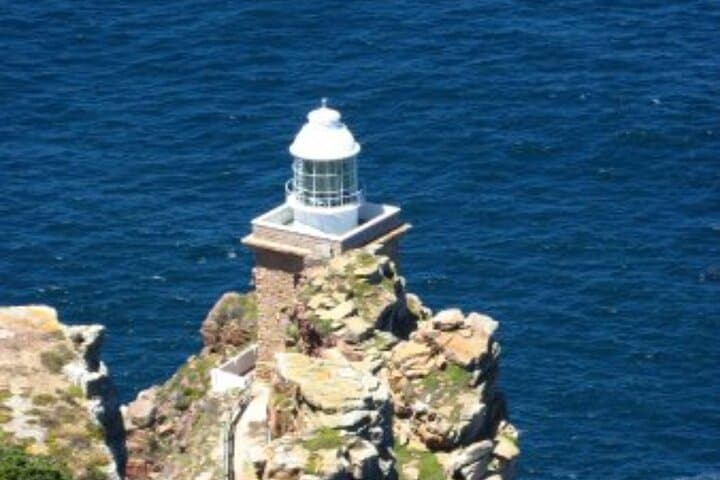
You step out of the vehicle onto wind-scoured stone and the ocean immediately claims the horizon — spray and gull calls cut through a low coastal sun. The drive north from Cape Town threads pastel Bo-Kaap terraces, then slides along the Atlantic-facing spine of the Cape Peninsula where cliffs drop sharply and fynbos leans into the wind. On short hikes at the Cape of Good Hope the path alternates between coastal scrub and exposed rock; views open, close, and open again, daring you toward the next headland.
Verified experiences and guided adventures in the surrounding area.
Operated by H-View Travel & Tours · Cape Town, Western Cape
You step out of the vehicle onto wind-scoured stone and the ocean immediately claims the horizon — spray and gull calls cut through a low coastal sun. The drive north from Cape Town threads pastel Bo-Kaap terraces, then slides along the Atlantic-facing spine of the Cape Peninsula where cliffs drop sharply and fynbos leans into the wind. On short hikes at the Cape of Good Hope the path alternates between coastal scrub and exposed rock; views open, close, and open again, daring you toward the next headland.
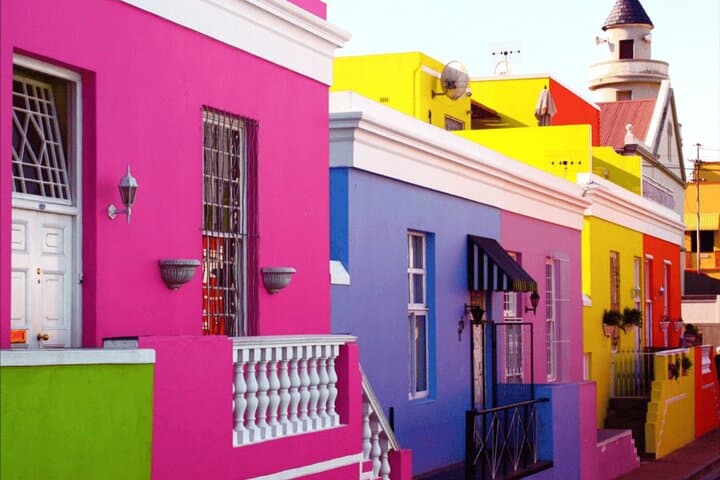
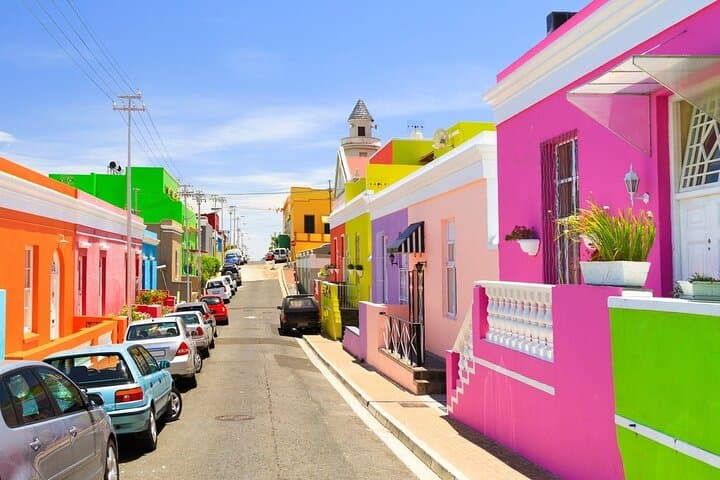
Bo-Kaap's streets hold a different rhythm: Cape Malay culture, mosques, and houses painted in bright colors tell a colonial and immigrant history shaped by spice trade and dispossession. Geologically the peninsula is ancient sandstone and granite — hard rock folded and scoured by sea-level change — which creates the steep promontories and sheltered bays where African penguins settled at Boulders Beach in the 1980s. Simon’s Town and Hout Bay are working harbors where fishing boats and tourist craft share the quay.
Practical guidance: expect a mix of short walks and scenic stops rather than long backcountry hikes. Wear sturdy walking shoes for uneven granite surfaces, bring layered sun protection, and carry water — coastal wind can dehydrate you quicker than you think. Timing matters: morning light favors Bo-Kaap photos; late afternoon softens the cliffs. Respect signage at penguin viewing hides and keep a distance — the colony is protected and easily stressed by close human contact. With a light daypack and sensible shoes, this loop delivers cultural color, dramatic shoreline hikes, and close encounters with South Africa’s coastal wildlife.
easy.
3 hours.
Basic mobility for short walks and stairs; suitable for most fitness levels
You can view the penguins from boardwalks and viewing areas that keep animals undisturbed; close contact and feeding are prohibited to protect the colony.
Expect short, moderate walks with some stairs and rocky sections—most viewpoints are reached via 10–30 minute walks from parking or drop‑off points.
Some streets in Bo‑Kaap are cobbled and steep; a guided stop can be adapted but full accessibility varies by exact route—notify the operator when booking.
Yes, entrance to the Cape of Good Hope Nature Reserve is typically charged and often included in organised tours; check your booking details for inclusion.
Bo‑Kaap reflects Cape Malay culture established in the 18th and 19th centuries by freed slaves and settlers; the peninsula’s harbors grew from colonial maritime trade.
The African penguin colony is protected and subject to ongoing conservation efforts; visitors are urged to stay on boardwalks and avoid disturbing nesting sites to reduce human impact.
H-View Travel & Tours operates guided outdoor trips and adventures with an emphasis on safety, stewardship, and memorable experiences.
You step out of the vehicle onto wind-scoured stone and the ocean immediately claims the horizon — spray and gull calls cut through a low coastal sun. The drive north from Cape Town threads pastel Bo-Kaap terraces, then slides along the Atlantic-facing spine of the Cape Peninsula where cliffs drop sharply and fynbos leans into the wind. On short hikes at the Cape of Good Hope the path alternates between coastal scrub and exposed rock; views open, close, and open again, daring you toward the next headland.
You step out of the vehicle onto wind-scoured stone and the ocean immediately claims the horizon — spray and gull calls cut through a low coastal sun. The drive north from Cape Town threads pastel Bo-Kaap terraces, then slides along the Atlantic-facing spine of the Cape Peninsula where cliffs drop sharply and fynbos leans into the wind. On short hikes at the Cape of Good Hope the path alternates between coastal scrub and exposed rock; views open, close, and open again, daring you toward the next headland.
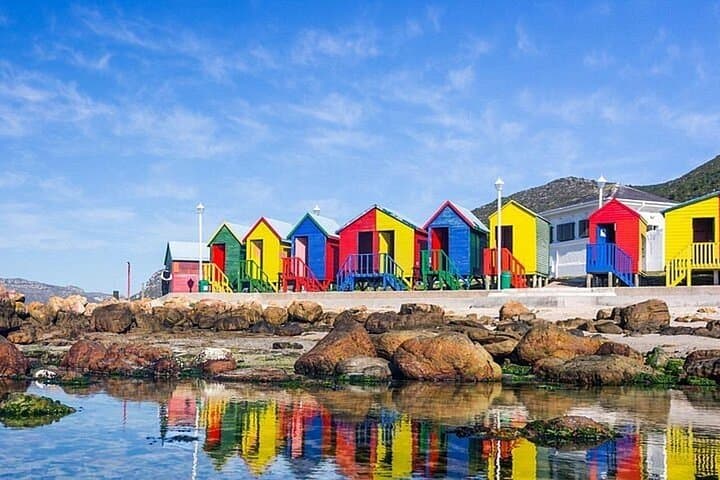
Bo-Kaap's streets hold a different rhythm: Cape Malay culture, mosques, and houses painted in bright colors tell a colonial and immigrant history shaped by spice trade and dispossession. Geologically the peninsula is ancient sandstone and granite — hard rock folded and scoured by sea-level change — which creates the steep promontories and sheltered bays where African penguins settled at Boulders Beach in the 1980s. Simon’s Town and Hout Bay are working harbors where fishing boats and tourist craft share the quay.
Practical guidance: expect a mix of short walks and scenic stops rather than long backcountry hikes. Wear sturdy walking shoes for uneven granite surfaces, bring layered sun protection, and carry water — coastal wind can dehydrate you quicker than you think. Timing matters: morning light favors Bo-Kaap photos; late afternoon softens the cliffs. Respect signage at penguin viewing hides and keep a distance — the colony is protected and easily stressed by close human contact. With a light daypack and sensible shoes, this loop delivers cultural color, dramatic shoreline hikes, and close encounters with South Africa’s coastal wildlife.