THE ADVENTURE COLLECTIVE® · Independent discovery and booking for outdoor travel

A two-hour marine-biologist-led cruise along Cape May’s coastline offering guaranteed sightings of Atlantic bottlenose dolphins and close-up viewing of coastal birds. Ideal for families and wildlife enthusiasts, the tour combines hands-on science with easy-access boat viewing.
A two-hour marine-biologist-led cruise along Cape May’s coastline offering guaranteed sightings of Atlantic bottlenose dolphins and close-up viewing of coastal birds. Ideal for families and wildlife enthusiasts, the tour combines hands-on science with easy-access boat viewing.
Boarding at Cape May’s waterfront, the boat slips free of the harbor and the sea opens like a moving stage. Salted air pulls at your jacket and the binocular-toting naturalist already scans the horizon; within minutes the flat backs of Atlantic bottlenose dolphins arc through swell lines, and terns wheel above, daring you to keep up.
Verified experiences and guided adventures in the surrounding area.
Operated by Cape May Whale Watch & Research Center · Cape May, New Jersey
Boarding at Cape May’s waterfront, the boat slips free of the harbor and the sea opens like a moving stage. Salted air pulls at your jacket and the binocular-toting naturalist already scans the horizon; within minutes the flat backs of Atlantic bottlenose dolphins arc through swell lines, and terns wheel above, daring you to keep up.
The cruise threads past a shoreline shaped by glacial deposits and tidal currents that have guided mariners since the 18th century. Cape May’s role as America’s oldest seaside resort and its rich maritime culture are visible from the water—Victorian rooftops and historic lighthouses punctuate the coast while the underlying geology of sand spits and barrier beaches defines where birds and mammals concentrate.
This offering is science-forward: a marine biologist leads a hands-on educational tour, pointing out identifiable dolphin behaviors and local bird species and explaining research methods used to monitor populations in the Delaware Bay and Atlantic shelf.
Practical guidance: the outing runs two hours, suitable for most ages and fitness levels; morning cruises include coffee and danishes, evening departures sometimes offer casual pizza and hot dogs. Wear layered, windproof clothing, bring binoculars, and plan for sun and spray—boats can be chilly even on warm days. If you’re prone to seasickness, take medication beforehand and choose a mid-day sail when seas are typically calmer.
Expect active interpretation, guaranteed marine mammal sightings per the operator’s policy, and the chance to see coastal birds from a different vantage point—an accessible, educational way to experience Cape May’s marine life.
easy.
2 hours.
Suitable for most fitness levels; requires boarding a vessel and standing or walking short periods.
The operator advertises guaranteed marine mammal sightings; if none are observed they typically offer a rebooking or refund per their policy.
Yes—this vessel indicates wheelchair and stroller accessibility, but contact the operator ahead to confirm boarding arrangements.
Children are welcome; morning cruises include complimentary coffee, juice, and danishes while some evening sails offer pizza and hot dogs.
You can cancel for a full refund if done at least 24 hours before departure; trips may be canceled by the operator for bad weather or insufficient travelers.
Cape May developed as a seaside resort in the 19th century; its maritime economy and Victorian architecture are visible from coastal waters.
Operators emphasize non-invasive viewing and research participation—avoid feeding or approaching wildlife, and follow crew instructions to reduce disturbance.
Cape May Whale Watch & Research Center operates guided outdoor trips and adventures with an emphasis on safety, stewardship, and memorable experiences.
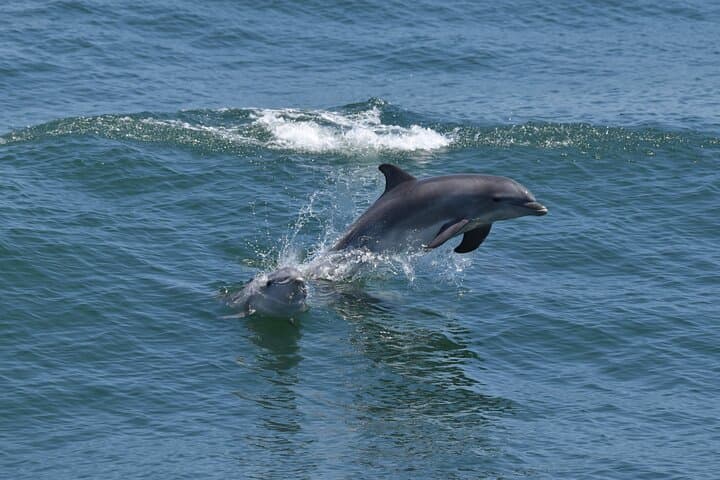
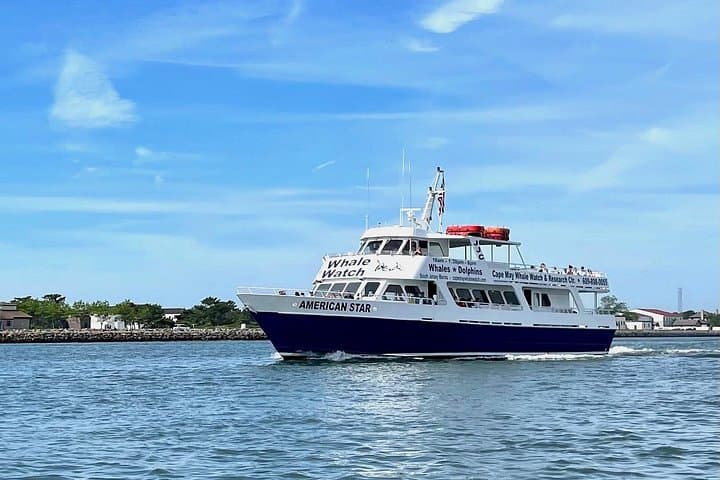
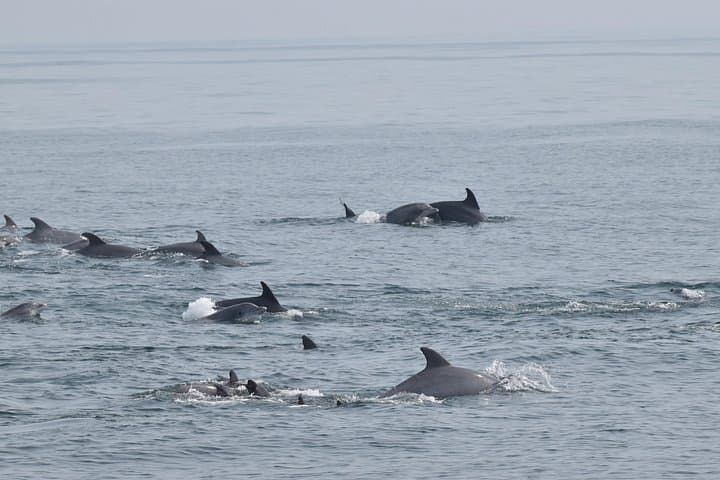
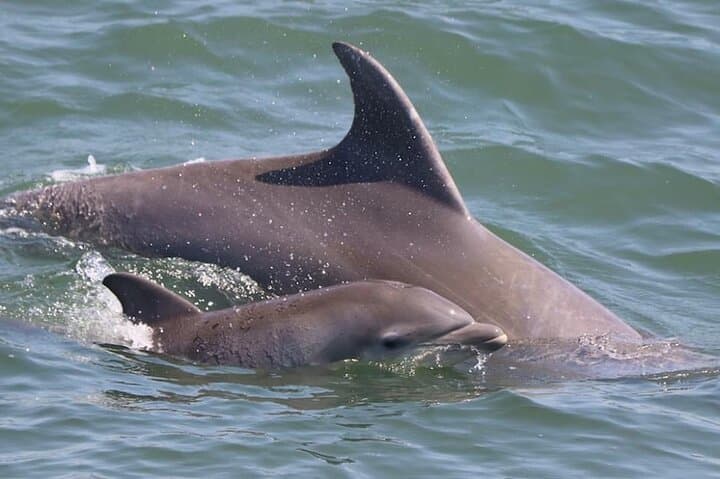
Boarding at Cape May’s waterfront, the boat slips free of the harbor and the sea opens like a moving stage. Salted air pulls at your jacket and the binocular-toting naturalist already scans the horizon; within minutes the flat backs of Atlantic bottlenose dolphins arc through swell lines, and terns wheel above, daring you to keep up.
Boarding at Cape May’s waterfront, the boat slips free of the harbor and the sea opens like a moving stage. Salted air pulls at your jacket and the binocular-toting naturalist already scans the horizon; within minutes the flat backs of Atlantic bottlenose dolphins arc through swell lines, and terns wheel above, daring you to keep up.
The cruise threads past a shoreline shaped by glacial deposits and tidal currents that have guided mariners since the 18th century. Cape May’s role as America’s oldest seaside resort and its rich maritime culture are visible from the water—Victorian rooftops and historic lighthouses punctuate the coast while the underlying geology of sand spits and barrier beaches defines where birds and mammals concentrate.
This offering is science-forward: a marine biologist leads a hands-on educational tour, pointing out identifiable dolphin behaviors and local bird species and explaining research methods used to monitor populations in the Delaware Bay and Atlantic shelf.
Practical guidance: the outing runs two hours, suitable for most ages and fitness levels; morning cruises include coffee and danishes, evening departures sometimes offer casual pizza and hot dogs. Wear layered, windproof clothing, bring binoculars, and plan for sun and spray—boats can be chilly even on warm days. If you’re prone to seasickness, take medication beforehand and choose a mid-day sail when seas are typically calmer.
Expect active interpretation, guaranteed marine mammal sightings per the operator’s policy, and the chance to see coastal birds from a different vantage point—an accessible, educational way to experience Cape May’s marine life.