THE ADVENTURE COLLECTIVE® · Independent discovery and booking for outdoor travel

Walk Salt River’s spice-lined streets, shop with local grocers and cook a three-course Cape Malay meal alongside community cooks. This 3–4 hour experience blends street art, food history and hands-on cooking.
Walk Salt River’s spice-lined streets, shop with local grocers and cook a three-course Cape Malay meal alongside community cooks. This 3–4 hour experience blends street art, food history and hands-on cooking.
You step off the tram into Salt River and the air shifts—warm spice smoke, frying oil, and the sharp tang of preserved lemons. A short walk threads you past bold murals and family-run grocers toward Fargo Trading, an old spice shop where sacks of powdered turmeric and mounds of cumin seem to lean in and offer advice.
Verified experiences and guided adventures in the surrounding area.
Operated by African Food & Storytelling Tour · Cape Town, Western Cape
You step off the tram into Salt River and the air shifts—warm spice smoke, frying oil, and the sharp tang of preserved lemons. A short walk threads you past bold murals and family-run grocers toward Fargo Trading, an old spice shop where sacks of powdered turmeric and mounds of cumin seem to lean in and offer advice.
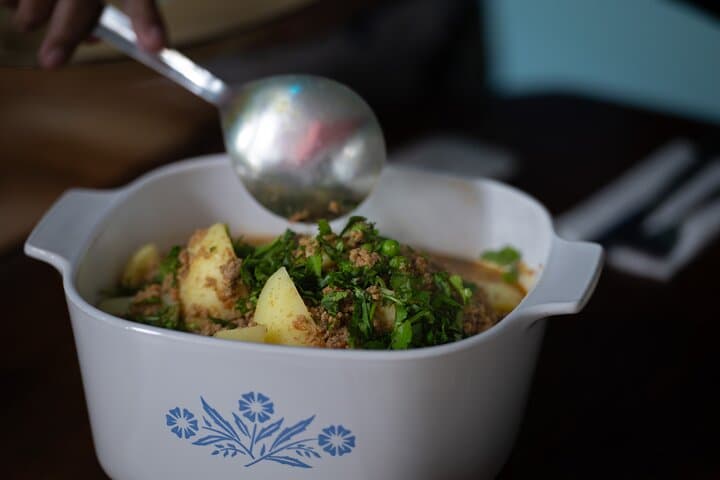
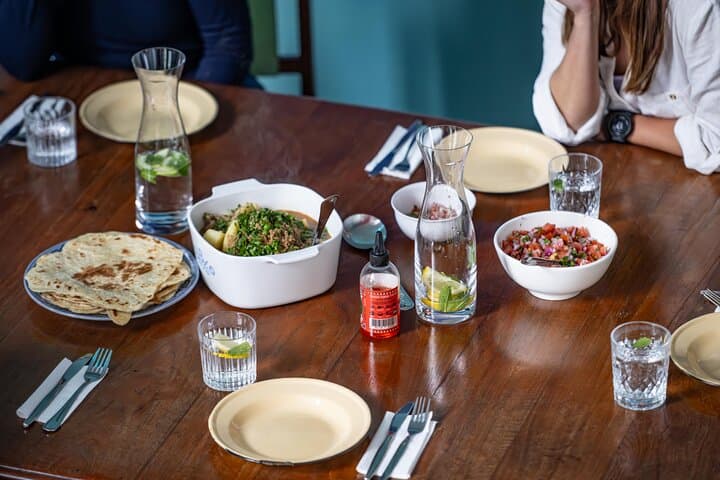
The class unfolds like the neighborhood’s history: ingredients map trade routes and migrations. Cape Malay cuisine grew from Indonesian, Malaysian and East African influences introduced during the slave trade and later shaped by Cape Town’s Muslim community. The technique is straightforward—rolling rotis, building an onion-and-tomato sambal, balancing sweet and warm spices—but the stories behind each spice matter as much as the measurements.
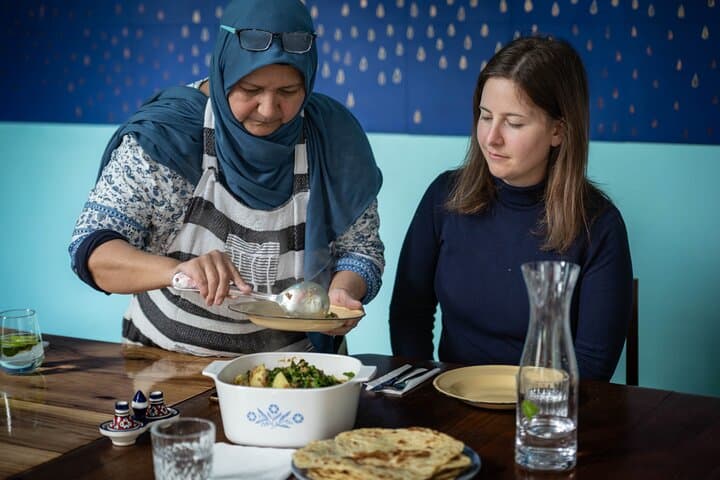
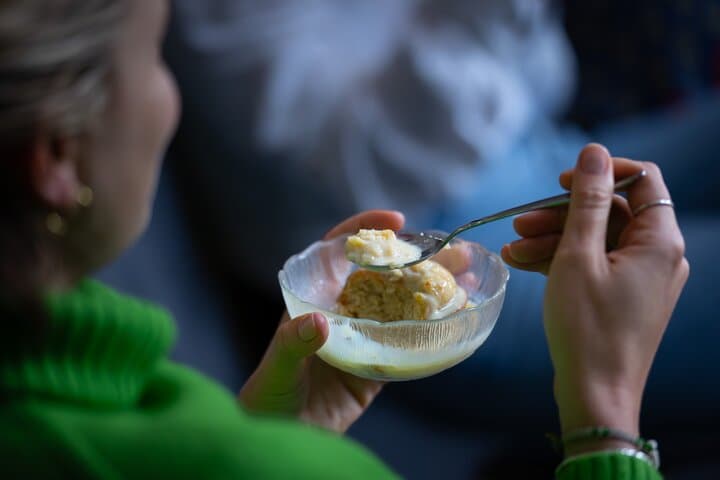
Expect 3–4 hours of relaxed urban walking followed by hands-on cooking and a shared three-course meal. You’ll alternate between shopping at small grocers, learning about street art projects that reflect Salt River’s changing economy, and standing at a bench rolling dough with local home cooks. There’s time for questions about sourcing, halal practices, and household recipes handed down through generations.
Practical notes: plan for standing and light walking; wear closed-toe shoes, bring a refillable bottle, and allow extra time for traffic between Woodstock and the city center. Book mornings to avoid the late-afternoon rush and to see the market stalls at their freshest. This is cultural immersion served with plain directions—taste, learn, and leave with practical skills to recreate Kaapse Kos at home.
moderate.
3–4 hours.
Suitable for people comfortable with 1–2 km of easy urban walking and standing for long periods while cooking
Yes—hosts can accommodate halal, vegetarian, and many common allergies if notified in advance; indicate needs during booking.
The meeting point is Fargo Trading in Salt River; it’s reachable by taxi or a short ride on Cape Town’s MyCiTi bus routes—confirm directions with the host.
You can be fully hands-on rolling dough and preparing dishes or opt to assist and learn—guides adapt to your energy and interest level.
Older children who can stand for periods and follow kitchen safety guidance are welcome; please check age suitability when booking.
Cape Malay cuisine reflects enslaved peoples’ culinary adaptations and the influence of Indonesian and Malaysian spices introduced during the colonial period.
Support local economies by buying ingredients from small grocers and minimizing single-use plastics; hosts emphasize food-waste-conscious cooking practices.
African Food & Storytelling Tour operates guided outdoor trips and adventures with an emphasis on safety, stewardship, and memorable experiences.
You step off the tram into Salt River and the air shifts—warm spice smoke, frying oil, and the sharp tang of preserved lemons. A short walk threads you past bold murals and family-run grocers toward Fargo Trading, an old spice shop where sacks of powdered turmeric and mounds of cumin seem to lean in and offer advice.
You step off the tram into Salt River and the air shifts—warm spice smoke, frying oil, and the sharp tang of preserved lemons. A short walk threads you past bold murals and family-run grocers toward Fargo Trading, an old spice shop where sacks of powdered turmeric and mounds of cumin seem to lean in and offer advice.
The class unfolds like the neighborhood’s history: ingredients map trade routes and migrations. Cape Malay cuisine grew from Indonesian, Malaysian and East African influences introduced during the slave trade and later shaped by Cape Town’s Muslim community. The technique is straightforward—rolling rotis, building an onion-and-tomato sambal, balancing sweet and warm spices—but the stories behind each spice matter as much as the measurements.
Expect 3–4 hours of relaxed urban walking followed by hands-on cooking and a shared three-course meal. You’ll alternate between shopping at small grocers, learning about street art projects that reflect Salt River’s changing economy, and standing at a bench rolling dough with local home cooks. There’s time for questions about sourcing, halal practices, and household recipes handed down through generations.
Practical notes: plan for standing and light walking; wear closed-toe shoes, bring a refillable bottle, and allow extra time for traffic between Woodstock and the city center. Book mornings to avoid the late-afternoon rush and to see the market stalls at their freshest. This is cultural immersion served with plain directions—taste, learn, and leave with practical skills to recreate Kaapse Kos at home.