THE ADVENTURE COLLECTIVE® · Independent discovery and booking for outdoor travel

Combine the sobering history of Cape Coast Castle with the thrill of Kakum’s canopy walk and a canoe safari—all in a full, active day through Ghana’s Central Region. Expect steep approaches, humid rainforest, and lively local markets.
Combine the sobering history of Cape Coast Castle with the thrill of Kakum’s canopy walk and a canoe safari—all in a full, active day through Ghana’s Central Region. Expect steep approaches, humid rainforest, and lively local markets.
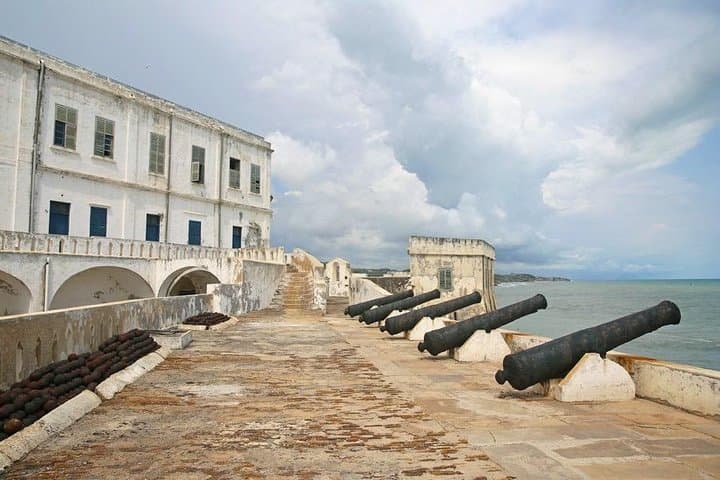
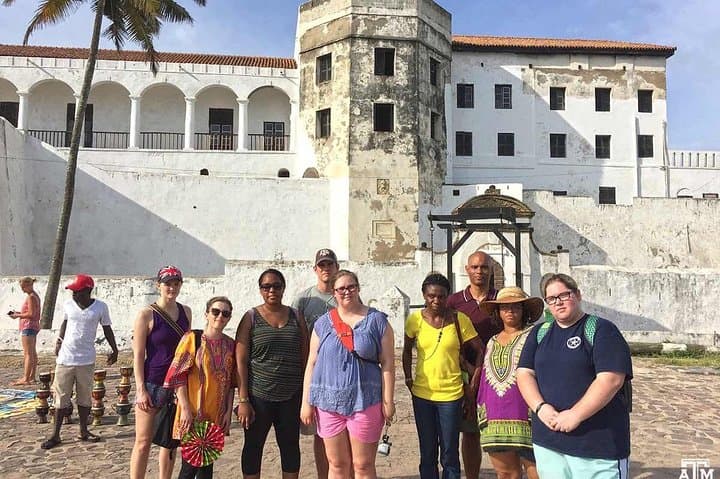
You step off the air-conditioned van into the heat of Ghana's Central Region and the day snaps into focus: salt on the air, distant gull calls, and the brick silhouette of Cape Coast Castle rising against a pale sky.
Verified experiences and guided adventures in the surrounding area.
Operated by Bilson Tours Gh · Cape Coast, Central Region
You step off the air-conditioned van into the heat of Ghana's Central Region and the day snaps into focus: salt on the air, distant gull calls, and the brick silhouette of Cape Coast Castle rising against a pale sky.
At the castle the stones keep a blunt memory—the chambers, dungeons and ramparts where the transatlantic slave trade left its mark. Guides unspool a layered history here: European coastal forts, Akan coastal trading economies, and the human stories that shaped modern Ghana.
A short drive inland shifts the palette from iron and sand to humid, cathedral-like forest. Kakum National Park's canopy walkway swings above a green ceiling where tree trunks thrust and vines dare you to look down. The architecture here is living geology: lateritic soils, ancient coastal plains and pockets of rainforest that survived a changing climate and human pressure.
After the canopy the tour slows into quieter rhythms—a canoe safari along a shaded backwater where crocodiles sun on banks and kingfishers skitter. Finally, Kotokuraba Market delivers a sensory close: shouting vendors, woven goods and a compact lesson in daily trade and neighborly negotiation.
Practical edge: expect multiple short hikes, stairs on the canopy approach and uneven village paths. Sunscreen, a brimmed hat and layered light clothing keep you moving comfortably; carry cash for small market purchases. The route pairs sobering history with active nature—bring curiosity and steady footwear, and budget a full day for travel time between sites.
moderate.
9–11 hours.
Moderate fitness recommended—comfortable walking, some stair climbing and short hikes required
The canopy walkway system totals nearly 350 metres across multiple bridges with platforms—expect 45–75 minutes on the bridges including approach and photos.
Yes—canoe safaris are guided with experienced paddlers; life jackets are usually provided but check with the operator before boarding.
Children can join but some interior sections have tight stairs and dim spaces; supervise minors and follow guide directions for safety.
Bring cash (Ghanaian cedi) for market purchases, small fees and tips—card acceptance is limited in markets and some local vendors.
Cape Coast Castle was a major hub in the transatlantic slave trade; its dungeons and galleries are central to Ghana’s coastal history and national memory.
Kakum National Park is protected for biodiversity and ecotourism; visitors are encouraged to stick to trails, avoid single-use plastics, and support local guides to keep revenue in the community.
Bilson Tours Gh operates guided outdoor trips and adventures with an emphasis on safety, stewardship, and memorable experiences.


You step off the air-conditioned van into the heat of Ghana's Central Region and the day snaps into focus: salt on the air, distant gull calls, and the brick silhouette of Cape Coast Castle rising against a pale sky.
You step off the air-conditioned van into the heat of Ghana's Central Region and the day snaps into focus: salt on the air, distant gull calls, and the brick silhouette of Cape Coast Castle rising against a pale sky.
At the castle the stones keep a blunt memory—the chambers, dungeons and ramparts where the transatlantic slave trade left its mark. Guides unspool a layered history here: European coastal forts, Akan coastal trading economies, and the human stories that shaped modern Ghana.
A short drive inland shifts the palette from iron and sand to humid, cathedral-like forest. Kakum National Park's canopy walkway swings above a green ceiling where tree trunks thrust and vines dare you to look down. The architecture here is living geology: lateritic soils, ancient coastal plains and pockets of rainforest that survived a changing climate and human pressure.
After the canopy the tour slows into quieter rhythms—a canoe safari along a shaded backwater where crocodiles sun on banks and kingfishers skitter. Finally, Kotokuraba Market delivers a sensory close: shouting vendors, woven goods and a compact lesson in daily trade and neighborly negotiation.
Practical edge: expect multiple short hikes, stairs on the canopy approach and uneven village paths. Sunscreen, a brimmed hat and layered light clothing keep you moving comfortably; carry cash for small market purchases. The route pairs sobering history with active nature—bring curiosity and steady footwear, and budget a full day for travel time between sites.