THE ADVENTURE COLLECTIVE® · Independent discovery and booking for outdoor travel

Walk the stone corridors of Cape Coast and Elmina castles, pause at the Door of No Return, then balance above rainforest life on a canopy walkway — a half-day that pairs hard history with living forest. Practical tips help you prepare for stairs, sun, and slippery paths.
Walk the stone corridors of Cape Coast and Elmina castles, pause at the Door of No Return, then balance above rainforest life on a canopy walkway — a half-day that pairs hard history with living forest. Practical tips help you prepare for stairs, sun, and slippery paths.
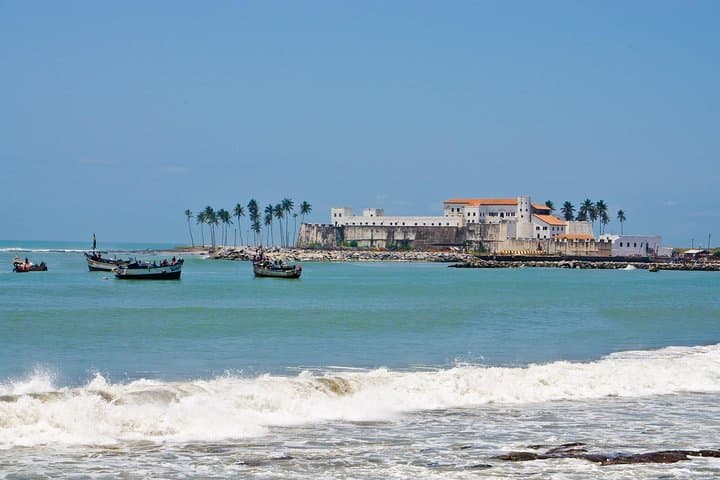
You step from an air-conditioned vehicle into a slice of Atlantic wind and stone — white surf throwing light against ochre ramparts, and a heavy wooden door that once closed on human lives. The tour threads from Cape Coast Castle's courtyard into the narrow corridors of the male and female dungeons, pauses at the Door of No Return, then moves inland where the rainforest hums and a canopy walkway sways above the understory.
Verified experiences and guided adventures in the surrounding area.
Operated by Kaya Tours · Cape Coast, Central Region
You step from an air-conditioned vehicle into a slice of Atlantic wind and stone — white surf throwing light against ochre ramparts, and a heavy wooden door that once closed on human lives. The tour threads from Cape Coast Castle's courtyard into the narrow corridors of the male and female dungeons, pauses at the Door of No Return, then moves inland where the rainforest hums and a canopy walkway sways above the understory.
These fortifications date to the early period of European expansion on West Africa’s coast; Cape Coast Castle includes structures from 1482 and served as a British administrative center as well as a holding site during the trans-Atlantic slave trade. Geologically the castles sit on a narrow coastal plain of rocky outcrops and reclaimed shoreline where ocean and land have long argued for space. Culturally, the buildings are part memorial, part archive — Ghanaian guides link the stones to contemporary communities of fishermen, market traders, and preservationists.
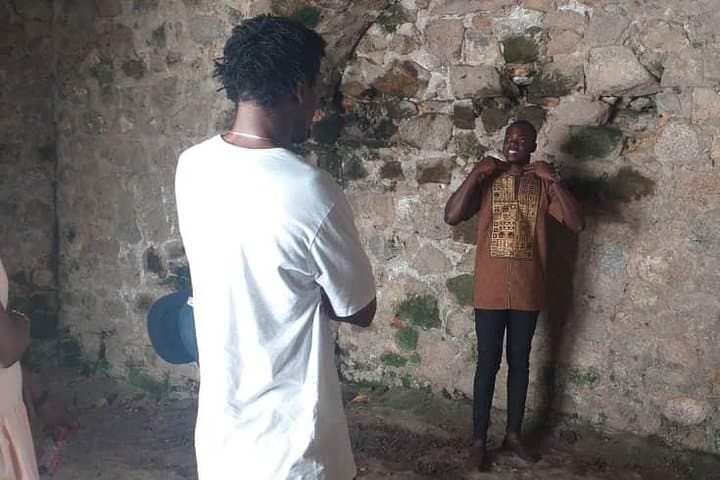
Practically, expect uneven stone steps, cool shadowed cells, and a canopy walk that rewards steady footing with views and the skitter of life beneath. The tour typically includes admission and lunch; plan for sun, spray, and insects. Bring a reusable water bottle, closed-toe shoes, sun protection, and respectful clothing for sensitive sites. Allow several hours if you want time for museum interpretation, photography at the ramparts, and a measured walk through the rainforest. Guides emphasize historical context and conservation; your attention and low-impact behavior help keep these places meaningful for future visitors.
easy.
3–6 hours.
Light walking ability; able to climb stairs and steady on elevated walkways.
Tours vary but typically take between 3 and 6 hours, allowing time for both castles, the rainforest hike and canopy walk, and lunch.
Many areas include steep stone steps and narrow passages; full accessibility is limited — contact the operator ahead to discuss specific needs.
Photography rules vary by site and guide; respectful, non-flash photos are usually permitted but follow posted signs and guide instructions.
Yes — the listed tour includes a lunch, though menus may vary and dietary requests should be indicated at booking.
Cape Coast and Elmina castles were key nodes in the Atlantic slave trade and later served European colonial administrations; Cape Coast has structures dating to 1482.
Both castles are maintained as heritage sites with ongoing preservation work; visitors can help by staying on paths, not touching fragile artifacts, and supporting local conservation fees.
Kaya Tours operates guided outdoor trips and adventures with an emphasis on safety, stewardship, and memorable experiences.

You step from an air-conditioned vehicle into a slice of Atlantic wind and stone — white surf throwing light against ochre ramparts, and a heavy wooden door that once closed on human lives. The tour threads from Cape Coast Castle's courtyard into the narrow corridors of the male and female dungeons, pauses at the Door of No Return, then moves inland where the rainforest hums and a canopy walkway sways above the understory.
You step from an air-conditioned vehicle into a slice of Atlantic wind and stone — white surf throwing light against ochre ramparts, and a heavy wooden door that once closed on human lives. The tour threads from Cape Coast Castle's courtyard into the narrow corridors of the male and female dungeons, pauses at the Door of No Return, then moves inland where the rainforest hums and a canopy walkway sways above the understory.
These fortifications date to the early period of European expansion on West Africa’s coast; Cape Coast Castle includes structures from 1482 and served as a British administrative center as well as a holding site during the trans-Atlantic slave trade. Geologically the castles sit on a narrow coastal plain of rocky outcrops and reclaimed shoreline where ocean and land have long argued for space. Culturally, the buildings are part memorial, part archive — Ghanaian guides link the stones to contemporary communities of fishermen, market traders, and preservationists.
Practically, expect uneven stone steps, cool shadowed cells, and a canopy walk that rewards steady footing with views and the skitter of life beneath. The tour typically includes admission and lunch; plan for sun, spray, and insects. Bring a reusable water bottle, closed-toe shoes, sun protection, and respectful clothing for sensitive sites. Allow several hours if you want time for museum interpretation, photography at the ramparts, and a measured walk through the rainforest. Guides emphasize historical context and conservation; your attention and low-impact behavior help keep these places meaningful for future visitors.