THE ADVENTURE COLLECTIVE® · Independent discovery and booking for outdoor travel

Spend a day moving from the sobering rooms of Cape Coast and Elmina Castles to the swinging planks of Kakum’s canopy walk. This guided day trip blends coastal history, cultural context and a short rainforest adventure.
Spend a day moving from the sobering rooms of Cape Coast and Elmina Castles to the swinging planks of Kakum’s canopy walk. This guided day trip blends coastal history, cultural context and a short rainforest adventure.
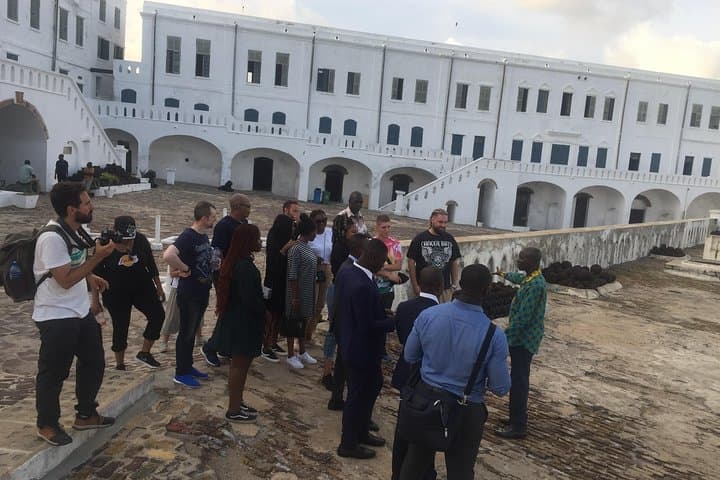
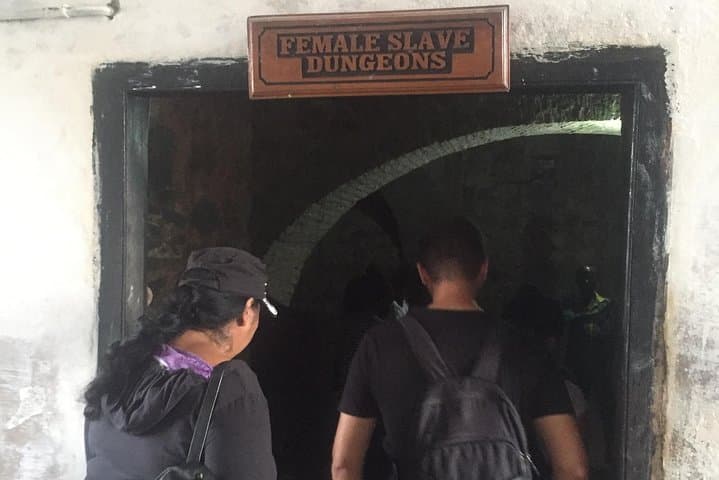
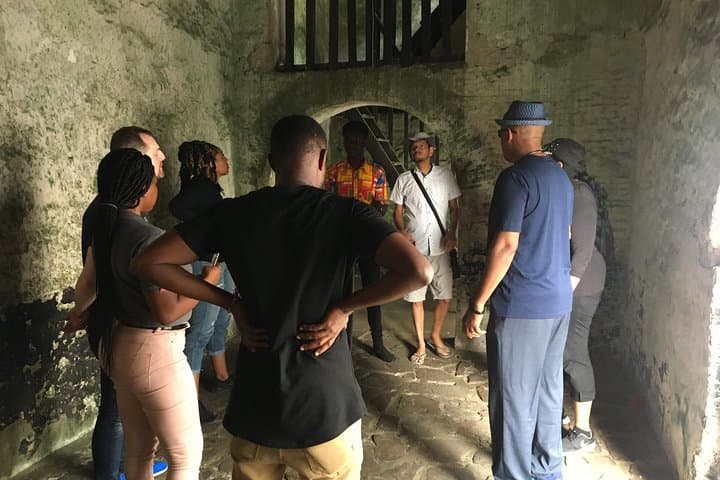
You arrive before dawn on the Atlantic coast and the air is salt-bright; fishermen’s boats sit low in the harbor and the ocean’s voice nudges the shoreline. The tour moves like a slow reveal—first the stonework and shadowed dungeons of Cape Coast Castle, then the whitewashed facades of Elmina, and finally the green hush of Kakum National Park where the canopy walk swings overhead.
Verified experiences and guided adventures in the surrounding area.
Operated by Wild Tours Ghana · Cape Coast, Central Region
You arrive before dawn on the Atlantic coast and the air is salt-bright; fishermen’s boats sit low in the harbor and the ocean’s voice nudges the shoreline. The tour moves like a slow reveal—first the stonework and shadowed dungeons of Cape Coast Castle, then the whitewashed facades of Elmina, and finally the green hush of Kakum National Park where the canopy walk swings overhead.
These castles were fortified trading posts during the transatlantic slave trade; Cape Coast and Elmina carry heavy historical weight as departure points for millions of Africans. Geologically the coast is low-lying with weathered sedimentary rock and mangrove-lined estuaries, while inland Kakum preserves a patch of West African moist evergreen forest—an ancient, biodiverse island of trees and vines.
Local culture threads through the day: Fante towns around the castles keep oral histories and markets where salted fish and cassava fufu are staples. Guides commonly interpret both the painful legacy of the castles and the resilience of coastal communities.
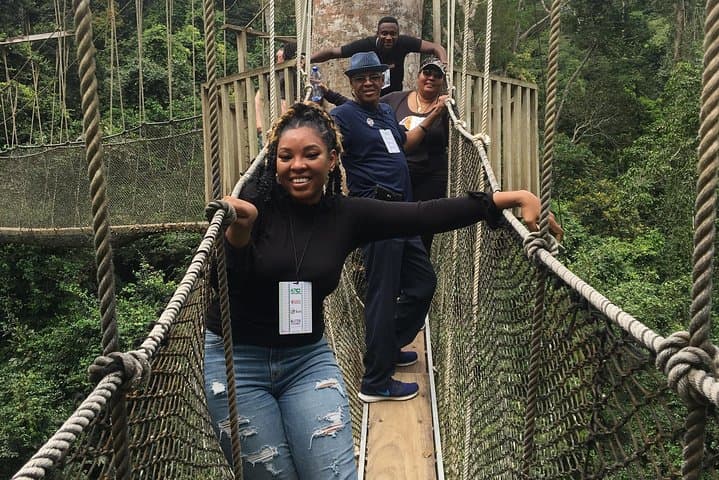
Practical guidance: expect a full 10–12 hour day with walking on uneven stone floors and a 350m plus canopy walkway in Kakum with sections swaying above the understory. Bring sturdy closed-toe shoes, water, sun protection and a light rain layer; be prepared for emotional content in the castles and for brief climbing and ladders at the canopy entry.
Timing matters—mornings are cooler for castle visits and wildlife in Kakum is most active early and late. Respect sites: photographs are allowed in many areas but follow guide instructions inside exhibitions and memorial spaces.
moderate.
10–12 hours.
Moderate fitness—comfortable walking, some stairs and short forest climbs required
Typical duration is 10–12 hours (full day) including transport from Accra if applicable, time at each castle, and the Kakum canopy walk.
This tour description includes admission to Cape Coast and Elmina Castles and Kakum National Park as noted in the itinerary.
Children can usually join but must be supervised; operators set age or height limits—ask when booking and ensure children are comfortable with heights.
Large luggage is impractical on a day trip; bring only a small daypack—secure storage is typically available in the tour vehicle.
Cape Coast and Elmina Castles were central nodes in the transatlantic slave trade; both are preserved as UNESCO-listed sites and places of remembrance.
Kakum National Park protects fragments of West African moist evergreen forest; visitors should stick to trails, avoid feeding wildlife and support park fees that fund conservation and local rangers.
Wild Tours Ghana operates guided outdoor trips and adventures with an emphasis on safety, stewardship, and memorable experiences.
You arrive before dawn on the Atlantic coast and the air is salt-bright; fishermen’s boats sit low in the harbor and the ocean’s voice nudges the shoreline. The tour moves like a slow reveal—first the stonework and shadowed dungeons of Cape Coast Castle, then the whitewashed facades of Elmina, and finally the green hush of Kakum National Park where the canopy walk swings overhead.
You arrive before dawn on the Atlantic coast and the air is salt-bright; fishermen’s boats sit low in the harbor and the ocean’s voice nudges the shoreline. The tour moves like a slow reveal—first the stonework and shadowed dungeons of Cape Coast Castle, then the whitewashed facades of Elmina, and finally the green hush of Kakum National Park where the canopy walk swings overhead.
These castles were fortified trading posts during the transatlantic slave trade; Cape Coast and Elmina carry heavy historical weight as departure points for millions of Africans. Geologically the coast is low-lying with weathered sedimentary rock and mangrove-lined estuaries, while inland Kakum preserves a patch of West African moist evergreen forest—an ancient, biodiverse island of trees and vines.
Local culture threads through the day: Fante towns around the castles keep oral histories and markets where salted fish and cassava fufu are staples. Guides commonly interpret both the painful legacy of the castles and the resilience of coastal communities.
Practical guidance: expect a full 10–12 hour day with walking on uneven stone floors and a 350m plus canopy walkway in Kakum with sections swaying above the understory. Bring sturdy closed-toe shoes, water, sun protection and a light rain layer; be prepared for emotional content in the castles and for brief climbing and ladders at the canopy entry.
Timing matters—mornings are cooler for castle visits and wildlife in Kakum is most active early and late. Respect sites: photographs are allowed in many areas but follow guide instructions inside exhibitions and memorial spaces.