THE ADVENTURE COLLECTIVE® · Independent discovery and booking for outdoor travel

Walk the corridors where history turns dark at the Door of No Return, then climb into the rainforest canopy to hear the forest answer. This day tour pairs Cape Coast’s castles with Kakum National Park’s canopy walk for a compact, profound look at Ghana’s human and natural heritage.
Walk the corridors where history turns dark at the Door of No Return, then climb into the rainforest canopy to hear the forest answer. This day tour pairs Cape Coast’s castles with Kakum National Park’s canopy walk for a compact, profound look at Ghana’s human and natural heritage.
You step off an air-conditioned van into a breeze that smells faintly of salt and smoke — fishing boats creak in the harbor while gulls wheel overhead. The stone façade of Cape Coast’s castles looms close, its thick walls holding stories that pull at the chest. Later the forest swallows sound; a wooden bridge hums underfoot as the Kakum canopy walk teeters between branches and sky.
Verified experiences and guided adventures in the surrounding area.
Operated by Blemawe Xpo Ghana · Cape Coast, Central Region
You step off an air-conditioned van into a breeze that smells faintly of salt and smoke — fishing boats creak in the harbor while gulls wheel overhead. The stone façade of Cape Coast’s castles looms close, its thick walls holding stories that pull at the chest. Later the forest swallows sound; a wooden bridge hums underfoot as the Kakum canopy walk teeters between branches and sky.
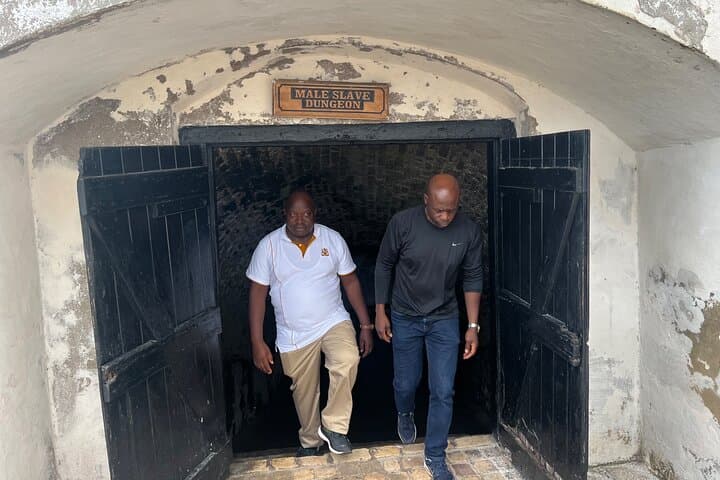
These sites map Ghana’s layered past: Elmina and Cape Coast Castles date to the late 15th century when European trading posts first appeared on the Gulf of Guinea. Rooms that once held goods became dungeons; the Door of No Return is a blunt, essential marker of the Trans‑Atlantic Slave Trade’s human cost. Geologically the coast is low, sandy and marine‑influenced, while Kakum’s rainforest sits on older, eroded Precambrian soils that support tall emergent trees and a rich understory.
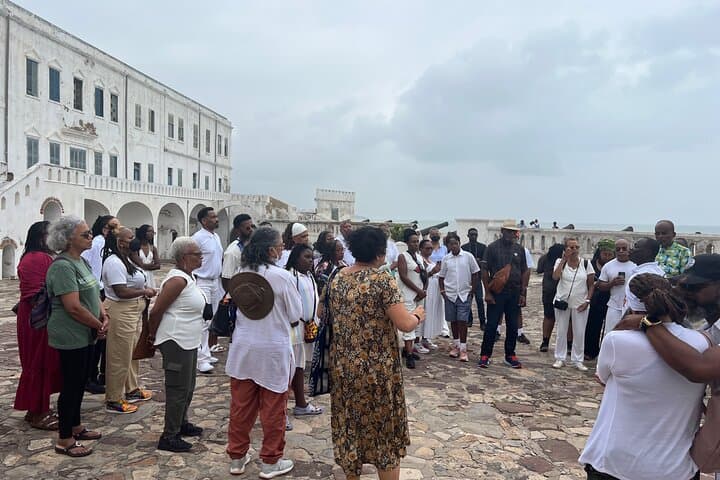
Culturally, local guides combine oral history with archival detail — expect frank, educational narration rather than romanticization. The canopy walk offers a different lesson: how the forest breathes, hosts birds and monkeys, and supports nearby fishing and farming communities.
Practical guidance: this private tour runs 5–10 hours; wear sturdy shoes, bring sun protection and a light rain jacket (tropical showers are common). Carry cash for small purchases and tip guides; listen closely in the museums and follow park rules on the canopy. Timing matters — mornings are cooler and less crowded at the castles, while late afternoon in the forest yields better bird activity. The day is equal parts history and wilderness; both demand attention and respect.
moderate.
5–10 hours.
Moderate fitness—able to walk several kilometers, climb stairs and manage uneven surfaces throughout the day.
Yes — this tour includes admission to the castles and Kakum’s canopy walkway as described in the itinerary.
The Kakum canopy system spans several suspended bridges at varying heights; it’s managed by park staff and safe for generally healthy visitors who can handle stairs and narrow walkways.
Private tours typically offer pickup from Accra or Cape Coast depending on booking—confirm your pickup point when reserving.
Children can do the tour if supervised; travelers with spinal, heart, or pregnancy concerns should avoid the canopy and strenuous sections—consult with the operator before booking.
Elmina (1482) and Cape Coast Castles were major European trading posts and later central nodes in the Trans‑Atlantic Slave Trade; their rooms, dungeons and memorials trace that history directly.
Kakum National Park is protected to conserve lowland rainforest and biodiversity; visitors are asked to stick to trails, avoid feeding wildlife and support local guides and community-led tourism.
Blemawe Xpo Ghana operates guided outdoor trips and adventures with an emphasis on safety, stewardship, and memorable experiences.
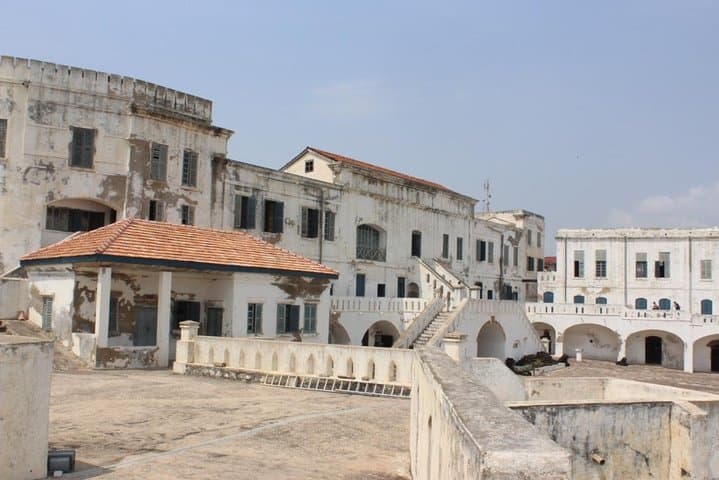
You step off an air-conditioned van into a breeze that smells faintly of salt and smoke — fishing boats creak in the harbor while gulls wheel overhead. The stone façade of Cape Coast’s castles looms close, its thick walls holding stories that pull at the chest. Later the forest swallows sound; a wooden bridge hums underfoot as the Kakum canopy walk teeters between branches and sky.
You step off an air-conditioned van into a breeze that smells faintly of salt and smoke — fishing boats creak in the harbor while gulls wheel overhead. The stone façade of Cape Coast’s castles looms close, its thick walls holding stories that pull at the chest. Later the forest swallows sound; a wooden bridge hums underfoot as the Kakum canopy walk teeters between branches and sky.
These sites map Ghana’s layered past: Elmina and Cape Coast Castles date to the late 15th century when European trading posts first appeared on the Gulf of Guinea. Rooms that once held goods became dungeons; the Door of No Return is a blunt, essential marker of the Trans‑Atlantic Slave Trade’s human cost. Geologically the coast is low, sandy and marine‑influenced, while Kakum’s rainforest sits on older, eroded Precambrian soils that support tall emergent trees and a rich understory.
Culturally, local guides combine oral history with archival detail — expect frank, educational narration rather than romanticization. The canopy walk offers a different lesson: how the forest breathes, hosts birds and monkeys, and supports nearby fishing and farming communities.
Practical guidance: this private tour runs 5–10 hours; wear sturdy shoes, bring sun protection and a light rain jacket (tropical showers are common). Carry cash for small purchases and tip guides; listen closely in the museums and follow park rules on the canopy. Timing matters — mornings are cooler and less crowded at the castles, while late afternoon in the forest yields better bird activity. The day is equal parts history and wilderness; both demand attention and respect.