THE ADVENTURE COLLECTIVE® · Independent discovery and booking for outdoor travel

A six-hour cultural and nature day trip from Accra that pairs the sobering history of Cape Coast Castle with the vertiginous green of Kakum’s canopy walkway. Expect guided castle tours, forest bridges 30–40m high, and a local crocodile pool visit.
A six-hour cultural and nature day trip from Accra that pairs the sobering history of Cape Coast Castle with the vertiginous green of Kakum’s canopy walkway. Expect guided castle tours, forest bridges 30–40m high, and a local crocodile pool visit.
The sun lifts off the Gulf of Guinea as the road from Accra unwinds toward the low, red earth of Ghana’s central coast. Passengers watch roadside villages, cocoa farms and forest edge recede; in an hour the air smells greener and the palms crowd closer. At Cape Coast Castle the stone façade looms over the harbor—cool rooms, narrow staircases, and rooms once used to hold enslaved people—quiet now but heavy with history.
Verified experiences and guided adventures in the surrounding area.
Operated by Tdee Travel and Tour · Cape Coast, Central Region
The sun lifts off the Gulf of Guinea as the road from Accra unwinds toward the low, red earth of Ghana’s central coast. Passengers watch roadside villages, cocoa farms and forest edge recede; in an hour the air smells greener and the palms crowd closer. At Cape Coast Castle the stone façade looms over the harbor—cool rooms, narrow staircases, and rooms once used to hold enslaved people—quiet now but heavy with history.
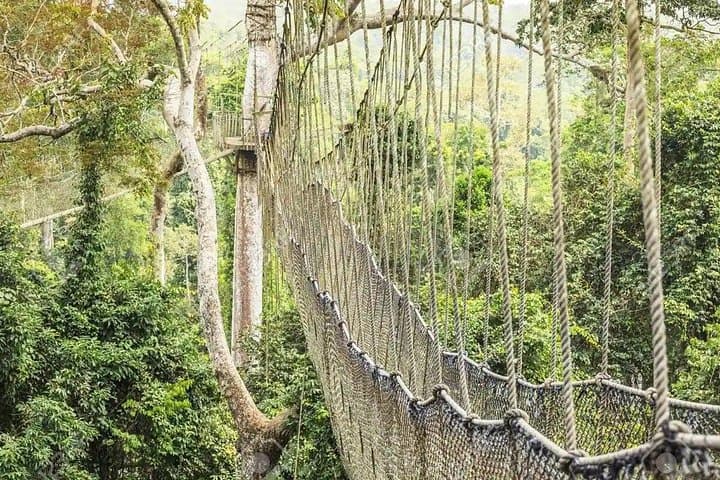
The tour stitches together human and natural history. Cape Coast Castle dates to 17th-century European coastal trade posts and later became integral to the trans-Atlantic slave trade; interpreters guide visitors through dungeons and the “door of no return,” explaining cultural impacts still felt today. A short drive inland brings Kakum National Park, where a series of suspended bridges rise roughly 30–40 meters above the forest floor. The canopy walkway—seven hanging bridges totaling a few hundred meters—offers a close-up view of the rainforest’s layered life: birds calling, vines swaying, a breeze that seems to tug at your pace.
Practicalities matter: the day is about six hours of guided stops with transfers from Accra; wear sturdy shoes for castle steps and the flexible slatted bridges. Hydrate before and during the day, and plan for sun and sudden rain—Ghana’s weather can change quickly. Guides typically include entrance fees, bottled water and pick-up from central Accra hotels. Bring respectful curiosity; these sites combine evocative history with active ecology, and both reward attentive visitors.
moderate.
6 hours.
Suitable for people with basic mobility; involves walking, stairs and brief periods at height.
Yes — the tour provides private transportation with pre-arranged pickup and drop-off in Accra; confirm your pickup point at booking.
Yes — admissions to Cape Coast Castle and Kakum National Park canopy walkway are included in the tour price.
Children can use the walkway but must be supervised; the bridge has safety railings, and guides may restrict access for very young children.
Expect moderate walking: castle rooms and steps plus a few hundred meters on the canopy bridges and short paths in the park.
Cape Coast Castle began as a 17th-century coastal fort and later served as a holding point in the trans-Atlantic slave trade; the site is central to Ghana’s coastal colonial history.
Kakum National Park relies on tourism revenues for conservation and community programs; stay on trails and avoid feeding wildlife to reduce impact.
Tdee Travel and Tour operates guided outdoor trips and adventures with an emphasis on safety, stewardship, and memorable experiences.
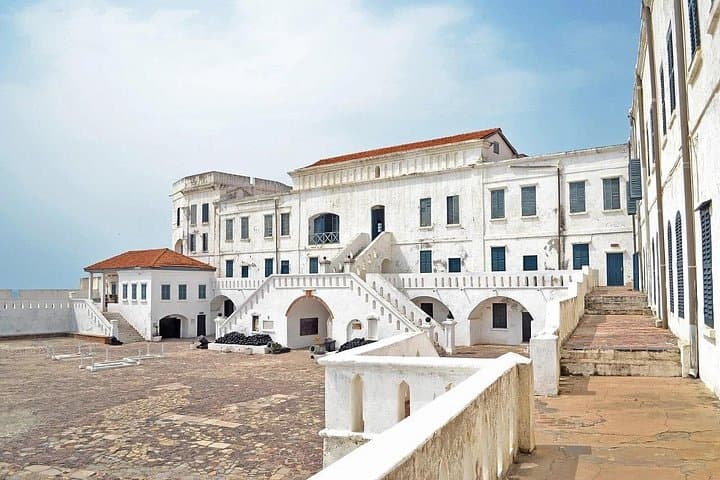
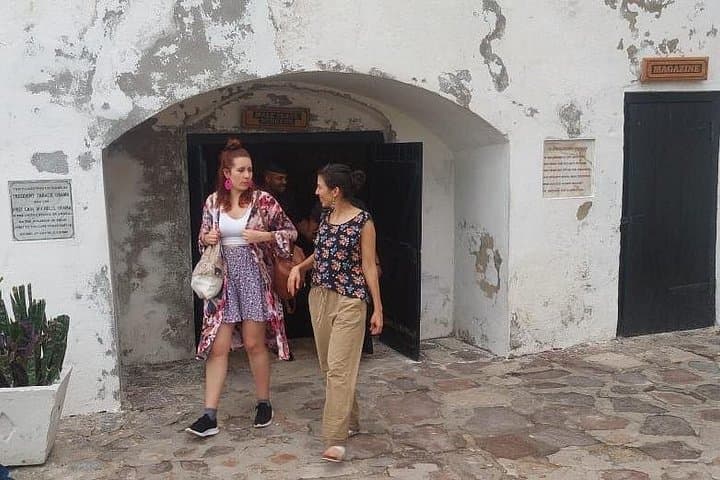
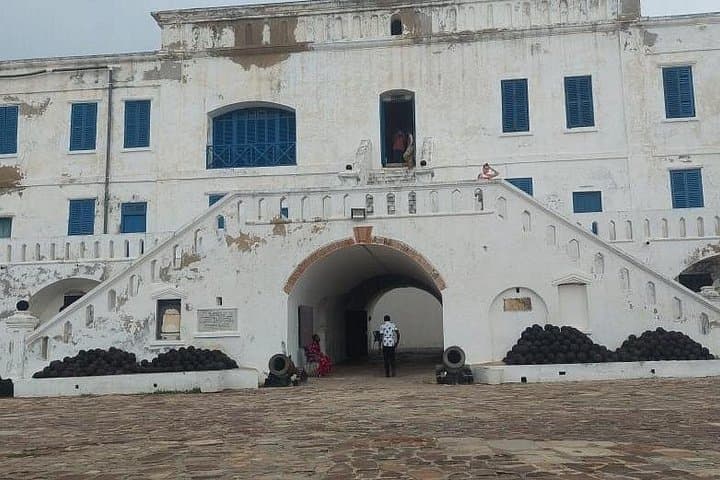
The sun lifts off the Gulf of Guinea as the road from Accra unwinds toward the low, red earth of Ghana’s central coast. Passengers watch roadside villages, cocoa farms and forest edge recede; in an hour the air smells greener and the palms crowd closer. At Cape Coast Castle the stone façade looms over the harbor—cool rooms, narrow staircases, and rooms once used to hold enslaved people—quiet now but heavy with history.
The sun lifts off the Gulf of Guinea as the road from Accra unwinds toward the low, red earth of Ghana’s central coast. Passengers watch roadside villages, cocoa farms and forest edge recede; in an hour the air smells greener and the palms crowd closer. At Cape Coast Castle the stone façade looms over the harbor—cool rooms, narrow staircases, and rooms once used to hold enslaved people—quiet now but heavy with history.
The tour stitches together human and natural history. Cape Coast Castle dates to 17th-century European coastal trade posts and later became integral to the trans-Atlantic slave trade; interpreters guide visitors through dungeons and the “door of no return,” explaining cultural impacts still felt today. A short drive inland brings Kakum National Park, where a series of suspended bridges rise roughly 30–40 meters above the forest floor. The canopy walkway—seven hanging bridges totaling a few hundred meters—offers a close-up view of the rainforest’s layered life: birds calling, vines swaying, a breeze that seems to tug at your pace.
Practicalities matter: the day is about six hours of guided stops with transfers from Accra; wear sturdy shoes for castle steps and the flexible slatted bridges. Hydrate before and during the day, and plan for sun and sudden rain—Ghana’s weather can change quickly. Guides typically include entrance fees, bottled water and pick-up from central Accra hotels. Bring respectful curiosity; these sites combine evocative history with active ecology, and both reward attentive visitors.