THE ADVENTURE COLLECTIVE® · Independent discovery and booking for outdoor travel

Explore Cape Coast Castle’s sobering history, then climb the Kakum canopy walkway—seven suspension bridges up to 27 meters high. This private half‑day tour blends coastal history with rainforest heights and practical local insight.
Explore Cape Coast Castle’s sobering history, then climb the Kakum canopy walkway—seven suspension bridges up to 27 meters high. This private half‑day tour blends coastal history with rainforest heights and practical local insight.
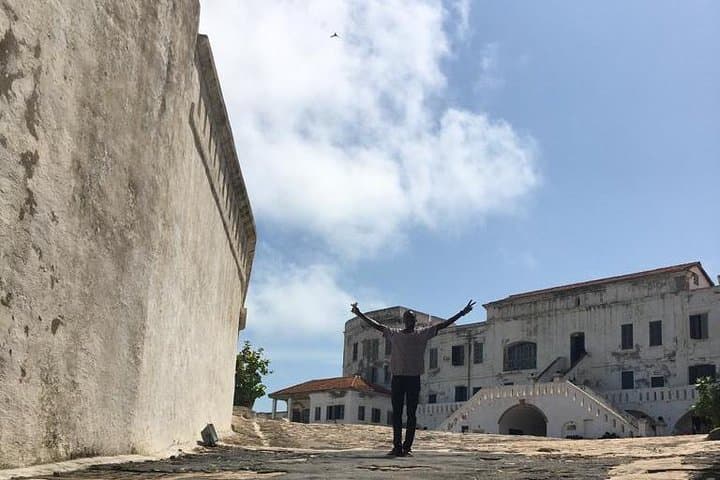
The day begins on the coast where surf and stone meet—salt air lifts against the weathered walls of Cape Coast Castle as a guide opens a doorway into the site’s difficult past. Visitors move through low, echoing dungeons and onto a rampart where the Atlantic stretches flat and indifferent, the wind seeming to push memory forward.
Verified experiences and guided adventures in the surrounding area.
Operated by Easytourgh · Cape Coast, Central Region
The day begins on the coast where surf and stone meet—salt air lifts against the weathered walls of Cape Coast Castle as a guide opens a doorway into the site’s difficult past. Visitors move through low, echoing dungeons and onto a rampart where the Atlantic stretches flat and indifferent, the wind seeming to push memory forward.
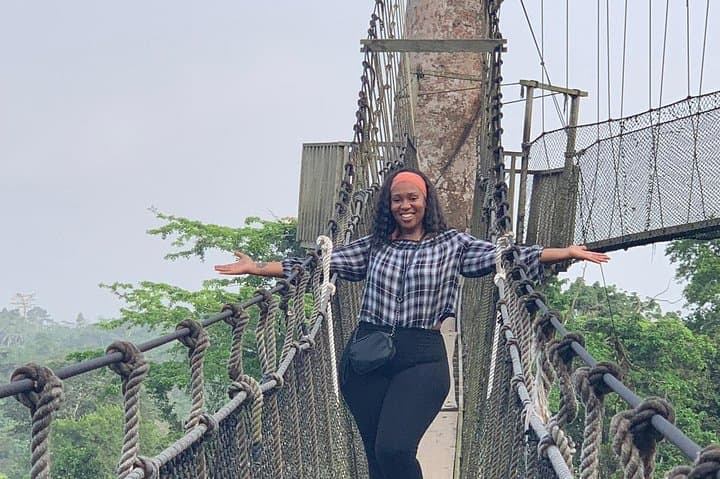
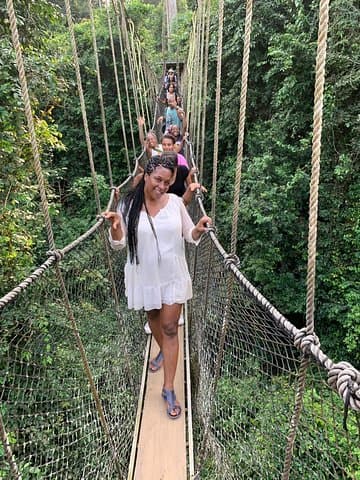
Cape Coast Castle was established in the 1650s and passed among European powers before becoming a central holding point in the transatlantic slave trade; its rooms and stairways are a stark study in human history and local resilience. Inland, Kakum National Park changes the scene: old-growth rainforest, rooted in ancient geology of lateritic soils and covered ridgelines, gives rise to a seven-bridge canopy walkway—333 meters of suspended bridges reaching up to 27 meters above the forest floor.
Culturally, the route threads market towns, coastal fishing harbors, and Akan communities whose crafts and cuisine respond to two very different landscapes. Expect forest birds and troopfuls of monkeys moving through the canopy; look for local vendors near both sites offering chilled water and grilled fish.
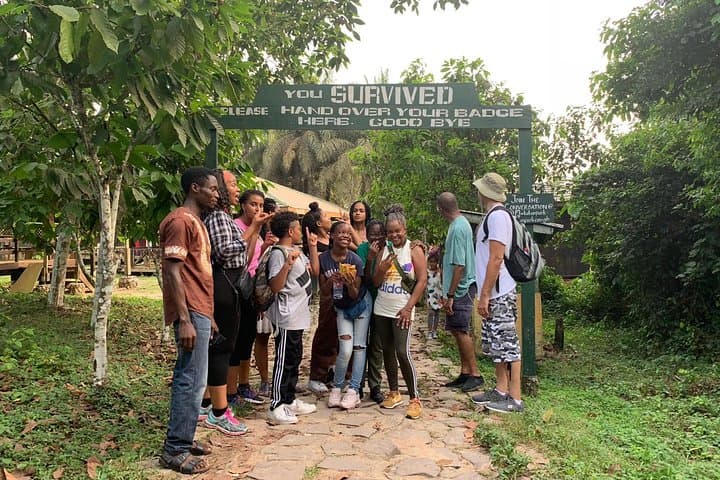
Practical guidance: this private tour runs roughly 3–6 hours depending on pickup and traffic. There’s a short but sometimes humid 20-minute hike to the canopy bridges—sturdy walking shoes and layered clothing are wise. Bring cash for small purchases, sunscreen and insect repellent, and time your visit for the dry months (November–March) to avoid heavy rains and slick trails. Guides and on-site signage will orient visitors through both the castle’s exhibits and the Kakum walkway procedures, keeping the experience focused, respectful, and safe.
moderate.
3–6 hours.
Moderate fitness; must manage short hikes, staircases in the castle, and sustained walking.
Yes; this tour description indicates admission to both Cape Coast Castle and Kakum National Park is included in the itinerary.
The approach is a moderate 15–25 minute forest walk with some uneven terrain; the canopy bridges themselves require steady balance but not technical climbing.
The tour states stroller and wheelchair accessibility for transportation, but parts of the castle (steep staircases) and the canopy walk (suspended bridges and stairs) may limit access—check with the operator for tailored arrangements.
Visit during the dry season (roughly December–March) for clearer skies and firmer trails; mornings typically have fewer visitors and better wildlife activity.
Cape Coast Castle was built in the 1650s and served various European trading companies before becoming a major holding point in the transatlantic slave trade; its rooms and records tell that difficult story.
Kakum is a protected national park; visitor fees support conservation and community programs—stick to trails, don’t feed wildlife, and minimize single-use plastics.
Easytourgh operates guided outdoor trips and adventures with an emphasis on safety, stewardship, and memorable experiences.
The day begins on the coast where surf and stone meet—salt air lifts against the weathered walls of Cape Coast Castle as a guide opens a doorway into the site’s difficult past. Visitors move through low, echoing dungeons and onto a rampart where the Atlantic stretches flat and indifferent, the wind seeming to push memory forward.
The day begins on the coast where surf and stone meet—salt air lifts against the weathered walls of Cape Coast Castle as a guide opens a doorway into the site’s difficult past. Visitors move through low, echoing dungeons and onto a rampart where the Atlantic stretches flat and indifferent, the wind seeming to push memory forward.
Cape Coast Castle was established in the 1650s and passed among European powers before becoming a central holding point in the transatlantic slave trade; its rooms and stairways are a stark study in human history and local resilience. Inland, Kakum National Park changes the scene: old-growth rainforest, rooted in ancient geology of lateritic soils and covered ridgelines, gives rise to a seven-bridge canopy walkway—333 meters of suspended bridges reaching up to 27 meters above the forest floor.
Culturally, the route threads market towns, coastal fishing harbors, and Akan communities whose crafts and cuisine respond to two very different landscapes. Expect forest birds and troopfuls of monkeys moving through the canopy; look for local vendors near both sites offering chilled water and grilled fish.
Practical guidance: this private tour runs roughly 3–6 hours depending on pickup and traffic. There’s a short but sometimes humid 20-minute hike to the canopy bridges—sturdy walking shoes and layered clothing are wise. Bring cash for small purchases, sunscreen and insect repellent, and time your visit for the dry months (November–March) to avoid heavy rains and slick trails. Guides and on-site signage will orient visitors through both the castle’s exhibits and the Kakum walkway procedures, keeping the experience focused, respectful, and safe.