THE ADVENTURE COLLECTIVE® · Independent discovery and booking for outdoor travel

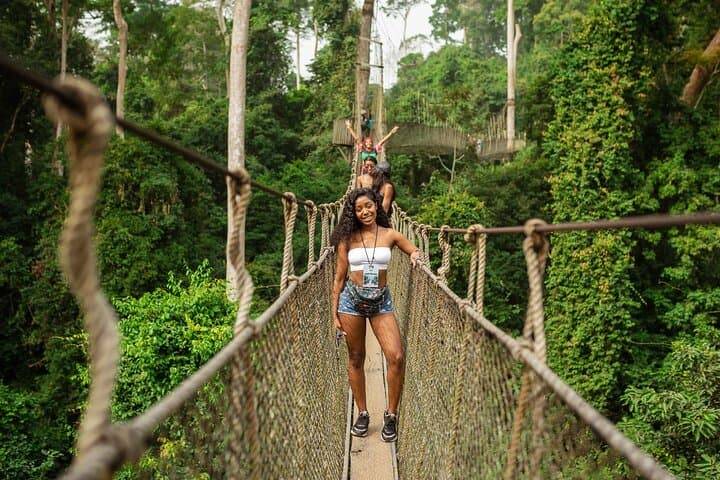
A full‑day pairing of Cape Coast Castle’s sobering history and Kakum National Park’s sky‑high canopy walk. Expect coastal forts, thick rainforest, seven suspension bridges, guided interpretation and a mix of cultural and natural highlights.
A full‑day pairing of Cape Coast Castle’s sobering history and Kakum National Park’s sky‑high canopy walk. Expect coastal forts, thick rainforest, seven suspension bridges, guided interpretation and a mix of cultural and natural highlights.
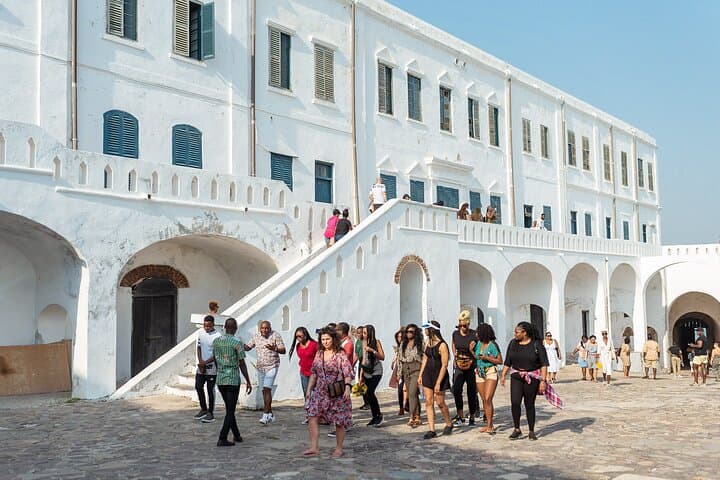
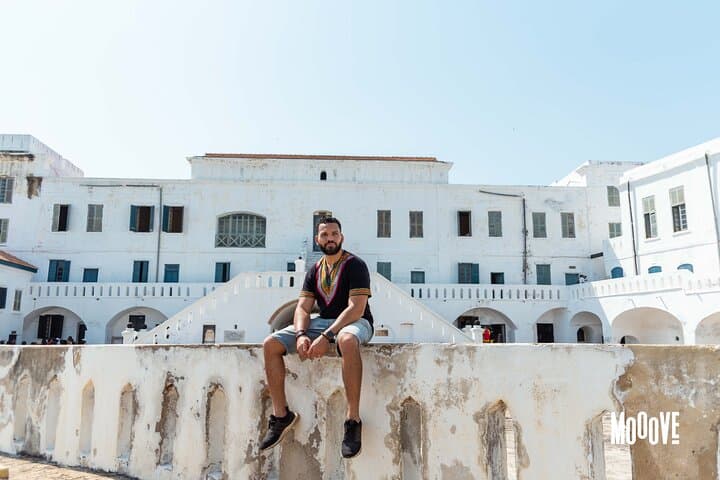
Dawn arrives humid and bright on the coastal road between Accra and Cape Coast, the van cutting through roadside markets and stands of oil palms. By midmorning the Atlantic smells sharp and the red-brown walls of Cape Coast Castle rise from the shore—cool stone and narrow windows that hold a hard history. Later, the forest of Kakum closes over the trail; the canopy bridges sway a little, the treetops whispering and daring you to look down.
Verified experiences and guided adventures in the surrounding area.
Operated by Mooove Africa · Cape Coast, Central Region
Dawn arrives humid and bright on the coastal road between Accra and Cape Coast, the van cutting through roadside markets and stands of oil palms. By midmorning the Atlantic smells sharp and the red-brown walls of Cape Coast Castle rise from the shore—cool stone and narrow windows that hold a hard history. Later, the forest of Kakum closes over the trail; the canopy bridges sway a little, the treetops whispering and daring you to look down.
The castle is one of the major coastal forts used in the Trans‑Atlantic slave trade; guided tours move through dungeons and holding chambers while interpreters explain the castle’s role in regional and global history. Geologically the coast here is low-lying sedimentary rock and lateritic soils that support a wet evergreen forest belt inland; Kakum’s canopy reaches 30–40 meters above the understory, with seven suspension bridges linked to raised platforms.
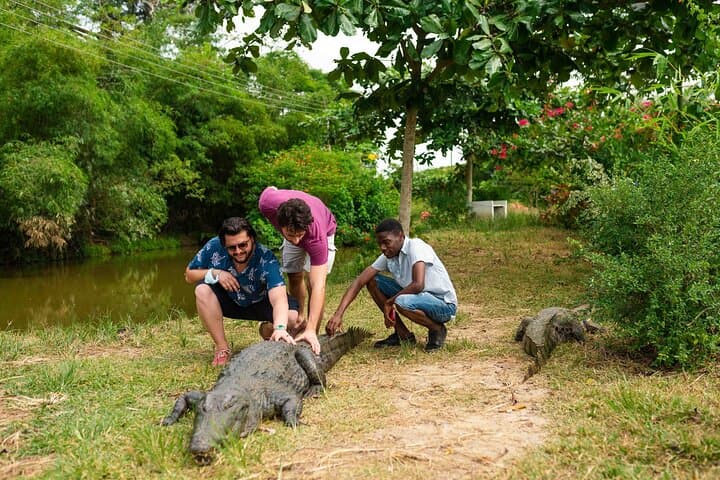
Locally the Fante fishing communities and Akan traditions shape markets, food, and storytelling—try fresh fish with shito and gari at a seaside stall. Hans Cottage’s crocodile pond near Elmina is a quirky cultural stop where guides discuss local beliefs and wildlife management.
Practicalities: this is a full 6–9 hour day trip—start early to avoid peak heat. Wear grippy shoes for the canopy walk, bring a rain layer during the wetter months, carry cash for small purchases and tips, and allow time for respectful reflection at the castle. Guides are included and provide essential context; follow their instructions on bridge safety and photography in the castle rooms. The day pairs strong cultural history with a physics-of-nature thrill—steady footing, an open mind, and basic sun and insect protection make it a rich, manageable adventure.
moderate.
6–9 hours.
Suitable for travelers in reasonable health who can walk on uneven ground, climb stairs and maintain balance on suspension bridges.
The canopy walkway consists of seven bridges linked by platforms, typically visited during a 1–2 hour guided circuit through the upper forest.
Yes—most areas are accessible by foot, but there are stairs and tight spaces in the dungeons; those with mobility issues should notify the guide and consider limited access options.
Yes—private, air‑conditioned transport is usually provided as part of the tour; confirm pickup point at booking and allow time for the roughly 2–3 hour drive each way depending on traffic.
Photography rules vary by room; guides will advise where photos are allowed—out of respect for the memorial sections, flash or intrusive filming is discouraged.
Cape Coast Castle was a major holding and trading site during the Trans‑Atlantic slave trade; its chambers and dungeons offer direct, difficult evidence of that era.
Kakum’s canopy walk supports local conservation funding and community tourism; stay on trails, avoid feeding wildlife, and carry out any trash to minimize impact.
Mooove Africa operates guided outdoor trips and adventures with an emphasis on safety, stewardship, and memorable experiences.
Dawn arrives humid and bright on the coastal road between Accra and Cape Coast, the van cutting through roadside markets and stands of oil palms. By midmorning the Atlantic smells sharp and the red-brown walls of Cape Coast Castle rise from the shore—cool stone and narrow windows that hold a hard history. Later, the forest of Kakum closes over the trail; the canopy bridges sway a little, the treetops whispering and daring you to look down.
Dawn arrives humid and bright on the coastal road between Accra and Cape Coast, the van cutting through roadside markets and stands of oil palms. By midmorning the Atlantic smells sharp and the red-brown walls of Cape Coast Castle rise from the shore—cool stone and narrow windows that hold a hard history. Later, the forest of Kakum closes over the trail; the canopy bridges sway a little, the treetops whispering and daring you to look down.
The castle is one of the major coastal forts used in the Trans‑Atlantic slave trade; guided tours move through dungeons and holding chambers while interpreters explain the castle’s role in regional and global history. Geologically the coast here is low-lying sedimentary rock and lateritic soils that support a wet evergreen forest belt inland; Kakum’s canopy reaches 30–40 meters above the understory, with seven suspension bridges linked to raised platforms.
Locally the Fante fishing communities and Akan traditions shape markets, food, and storytelling—try fresh fish with shito and gari at a seaside stall. Hans Cottage’s crocodile pond near Elmina is a quirky cultural stop where guides discuss local beliefs and wildlife management.
Practicalities: this is a full 6–9 hour day trip—start early to avoid peak heat. Wear grippy shoes for the canopy walk, bring a rain layer during the wetter months, carry cash for small purchases and tips, and allow time for respectful reflection at the castle. Guides are included and provide essential context; follow their instructions on bridge safety and photography in the castle rooms. The day pairs strong cultural history with a physics-of-nature thrill—steady footing, an open mind, and basic sun and insect protection make it a rich, manageable adventure.