THE ADVENTURE COLLECTIVE® · Independent discovery and booking for outdoor travel

Experience Ghana’s coastal history and rainforest canopy in a single day. Walk hanging bridges at Kakum, then visit Elmina and Cape Coast Castles to confront powerful chapters of Atlantic history.
Experience Ghana’s coastal history and rainforest canopy in a single day. Walk hanging bridges at Kakum, then visit Elmina and Cape Coast Castles to confront powerful chapters of Atlantic history.
Morning light splits over the Atlantic as a convoy pulls onto the palm-lined road toward Cape Coast and Kakum National Park.
Visitors step down from air-conditioned vans into salt air and humid forest, the ocean daring them back while the canopy waits above.
Verified experiences and guided adventures in the surrounding area.
Operated by Nsroma Adventures · Cape Coast, Central Region
Morning light splits over the Atlantic as a convoy pulls onto the palm-lined road toward Cape Coast and Kakum National Park.
Visitors step down from air-conditioned vans into salt air and humid forest, the ocean daring them back while the canopy waits above.
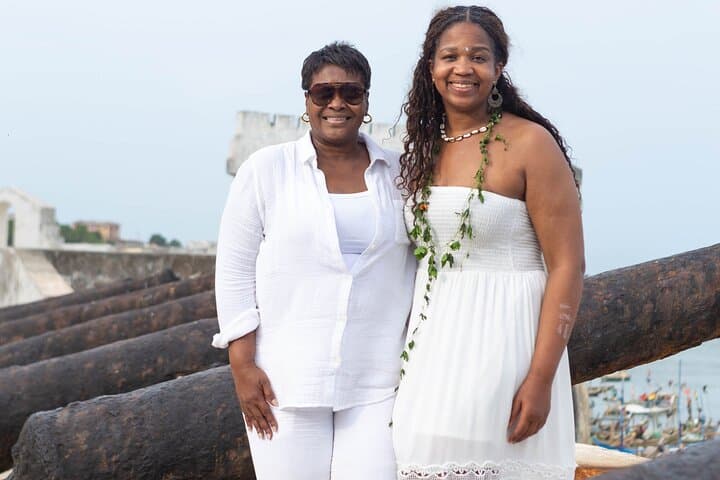
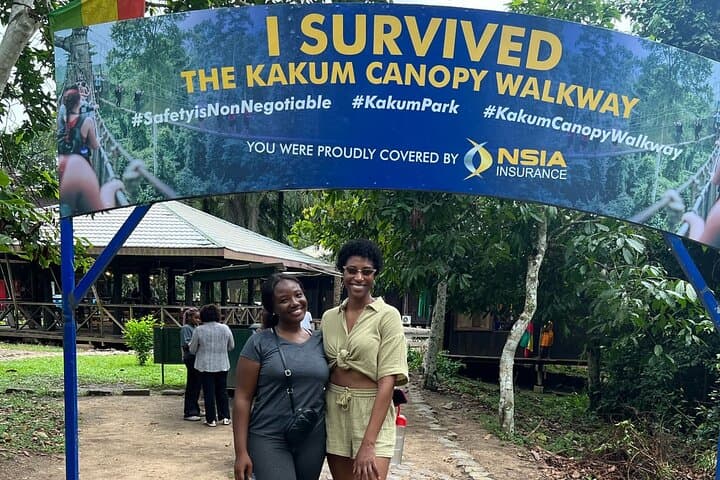
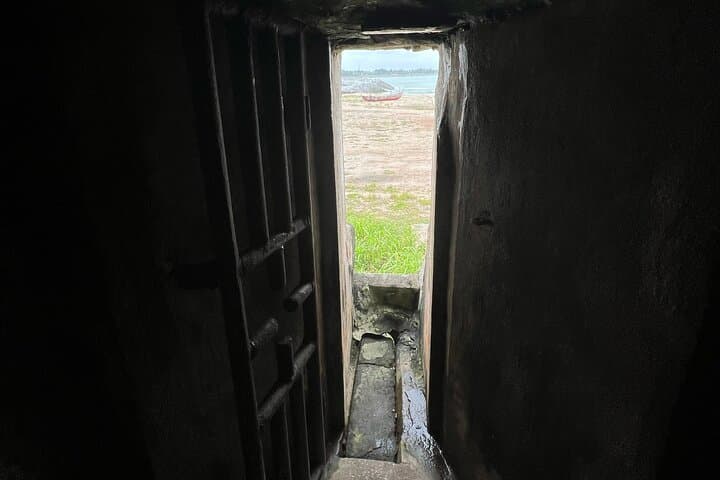
The itinerary threads three chapters: Kakum’s rainforest and suspension bridges, Elmina’s Portuguese fortifications from 1482, and Cape Coast Castle’s colonial barracks and the Door of No Return.
Geologically the coastline sits on Precambrian bedrock with narrow sandy beaches carved by Atlantic currents, while the inland rainforest grows on lateritic soils that feed a dense canopy and rich biodiversity.
Local culture is visible at fishing wharves where Asafo flags and coastal Ga traditions mix with Akan influences; guides often interpret oral histories and songs that mark the region’s maritime economy and painful slave-trade past.
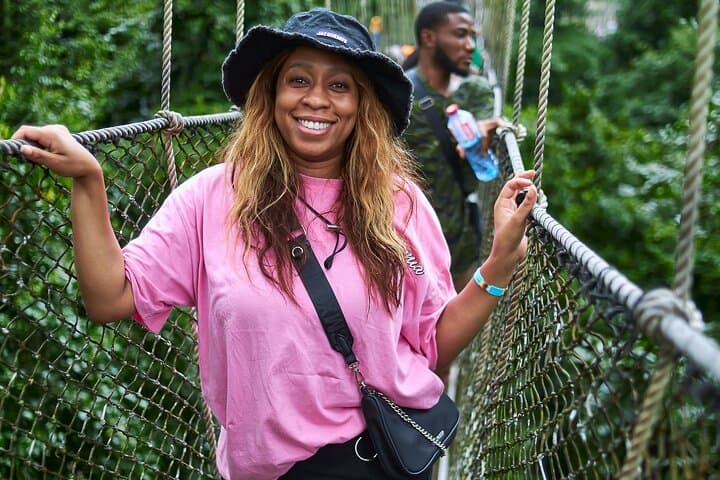
Expect steady walking: the Canopy Walkway rises roughly 30 meters (100 feet) above the forest floor across a network of suspended bridges, with short forest trails and cobbled castle courtyards at sea level.
Bring closed-toe shoes for damp boardwalks and modest clothing for sacred sites and memorial rooms.
Plan for a full day (10–12 hours) with refreshments included but limited shade at coastal viewpoints.
Morning departures avoid midday heat and improve birdwatching.
Photography is permitted in most areas but follow guides at the castles to respect memorial spaces.
Respect wildlife by keeping distance, carrying reusable water, and leaving no trace on trails and beaches.
Bring a small notebook to record stories and guide notes.
easy.
10–12 hours.
Suitable for most fitness levels; involves moderate walking and stair climbs inside castles and short forest trails.
The tour lasts about 10–12 hours (full day), including transport, guided castle visits, and the Kakum Canopy Walkway.
Admissions and light refreshments or snacks are included; confirm group lunch specifics at booking time.
The walkway is structurally maintained and supervised, but it is elevated (~30 m); those uncomfortable with heights should consider remaining on ground trails.
Photography is generally allowed, but follow guide instructions and avoid flash or disruptive behavior in memorial spaces.
Cape Coast and Elmina castles date from the 15th–17th centuries and played central roles in West African trade networks and the transatlantic slave trade.
Kakum National Park—established as a reserve in 1931—relies on park fees and responsible tourism; visitors are asked to stay on trails, avoid feeding wildlife, and support local guides.
Nsroma Adventures operates guided outdoor trips and adventures with an emphasis on safety, stewardship, and memorable experiences.
Morning light splits over the Atlantic as a convoy pulls onto the palm-lined road toward Cape Coast and Kakum National Park.
Visitors step down from air-conditioned vans into salt air and humid forest, the ocean daring them back while the canopy waits above.
Morning light splits over the Atlantic as a convoy pulls onto the palm-lined road toward Cape Coast and Kakum National Park.
Visitors step down from air-conditioned vans into salt air and humid forest, the ocean daring them back while the canopy waits above.
The itinerary threads three chapters: Kakum’s rainforest and suspension bridges, Elmina’s Portuguese fortifications from 1482, and Cape Coast Castle’s colonial barracks and the Door of No Return.
Geologically the coastline sits on Precambrian bedrock with narrow sandy beaches carved by Atlantic currents, while the inland rainforest grows on lateritic soils that feed a dense canopy and rich biodiversity.
Local culture is visible at fishing wharves where Asafo flags and coastal Ga traditions mix with Akan influences; guides often interpret oral histories and songs that mark the region’s maritime economy and painful slave-trade past.
Expect steady walking: the Canopy Walkway rises roughly 30 meters (100 feet) above the forest floor across a network of suspended bridges, with short forest trails and cobbled castle courtyards at sea level.
Bring closed-toe shoes for damp boardwalks and modest clothing for sacred sites and memorial rooms.
Plan for a full day (10–12 hours) with refreshments included but limited shade at coastal viewpoints.
Morning departures avoid midday heat and improve birdwatching.
Photography is permitted in most areas but follow guides at the castles to respect memorial spaces.
Respect wildlife by keeping distance, carrying reusable water, and leaving no trace on trails and beaches.
Bring a small notebook to record stories and guide notes.