THE ADVENTURE COLLECTIVE® · Independent discovery and booking for outdoor travel

Stand where history was decided: a guided, private day tour of Cape Coast’s castles takes you through dungeons, governor’s quarters and the Door of No Return while local guides frame the trans‑Atlantic story with cultural context and geological notes. Expect intense, emotional history and practical logistics for a 9–12 hour day.
Stand where history was decided: a guided, private day tour of Cape Coast’s castles takes you through dungeons, governor’s quarters and the Door of No Return while local guides frame the trans‑Atlantic story with cultural context and geological notes. Expect intense, emotional history and practical logistics for a 9–12 hour day.
You arrive at the coast with the Atlantic pressing a steady, grey rhythm against the shoreline — the sea seems to remember and the stones keep the memory. Walking up to the castle, the air carries salt, heat and the low murmur of guides who open doors that few modern visitors have the stomach to walk through.
Verified experiences and guided adventures in the surrounding area.
Operated by Afro Thrillseekers Tours · Cape Coast, Central Region
You arrive at the coast with the Atlantic pressing a steady, grey rhythm against the shoreline — the sea seems to remember and the stones keep the memory. Walking up to the castle, the air carries salt, heat and the low murmur of guides who open doors that few modern visitors have the stomach to walk through.
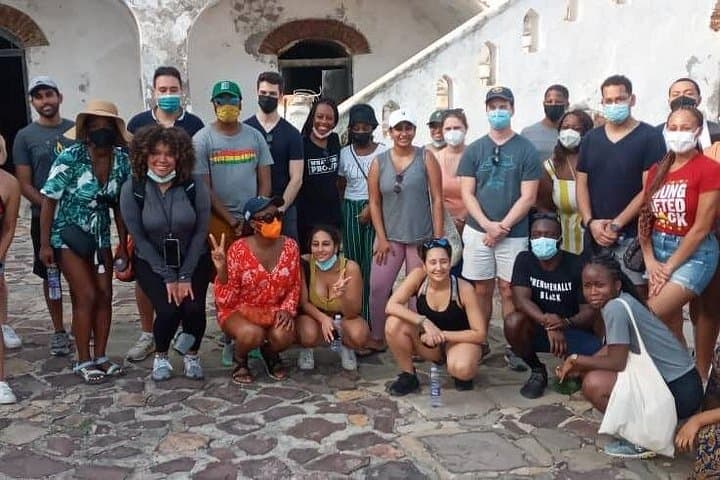
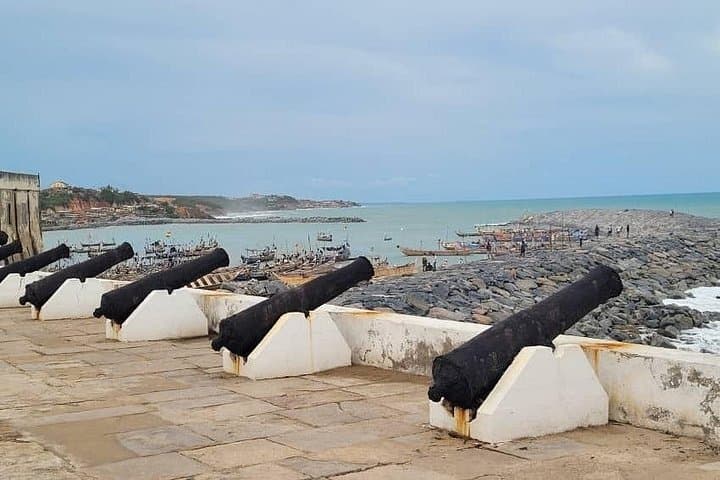
Cape Coast Castle sits on volcanic and sedimentary rocks that form Ghana’s coastline. Built and expanded by European traders from the 17th century onward, the castle functioned as a major holding point in the trans‑Atlantic slave trade. Guides—often descendants of survivor communities—work facts, family stories and local oral histories into tours that move from gun batteries to governor’s rooms and down into the cramped dungeons and the Door of No Return.
Beyond colonial architecture, learn how local Akan polities, including the Denkyira and Fante, were woven into trade networks and how the coast’s geology shaped settlement and defense. Nearby fishing communities still launch canoes where enslaved people once boarded ships; the present-day culture is reflective and resilient.
Practical guidance: expect narrow stone staircases, low light and uneven floors—comfortable, closed-toe shoes and a steady headlamp on a phone help. The full private tour runs roughly 9–12 hours with transport, bottled water and an optional restaurant stop included; dress respectfully for places of remembrance. Photography is allowed in many areas but follow your guide’s rules in the dungeons. Plan for heat and occasional rain; early morning departures avoid crowds and midday sun. The visit is educational and intense—bring time to process, and consider pairing the tour with a quieter visit to the nearby fishing beach to sit and watch the Atlantic’s slow insistence.
easy.
9–12 hours.
Suitable for most fitness levels but requires climbing multiple staircases and standing in cramped spaces.
The private tour runs about 9–12 hours and typically includes private air‑conditioned transport, bottled water, entrance fees and a meal stop at a beach resort or restaurant.
The castle has narrow staircases and low-light dungeons; it is not fully accessible—those with severe mobility limitations should check in advance and may need assistance.
Photography is often allowed, but guides may request restraint in sensitive spaces—follow local rules and the guide’s instructions.
Older children who can handle long walks and emotionally intense content can benefit from guided visits; the subject matter is heavy and may be distressing for young children.
Cape Coast Castle was built and expanded by European powers in the 17th–18th centuries and served as a major holding and departure point in the trans‑Atlantic slave trade, linked to local Akan kingdoms and wider Atlantic trade networks.
Visitor numbers and respectful touring practices help protect fragile stonework and coastal habitats; support local guides and community-run museums to channel revenue into preservation.
Afro Thrillseekers Tours operates guided outdoor trips and adventures with an emphasis on safety, stewardship, and memorable experiences.
You arrive at the coast with the Atlantic pressing a steady, grey rhythm against the shoreline — the sea seems to remember and the stones keep the memory. Walking up to the castle, the air carries salt, heat and the low murmur of guides who open doors that few modern visitors have the stomach to walk through.
You arrive at the coast with the Atlantic pressing a steady, grey rhythm against the shoreline — the sea seems to remember and the stones keep the memory. Walking up to the castle, the air carries salt, heat and the low murmur of guides who open doors that few modern visitors have the stomach to walk through.
Cape Coast Castle sits on volcanic and sedimentary rocks that form Ghana’s coastline. Built and expanded by European traders from the 17th century onward, the castle functioned as a major holding point in the trans‑Atlantic slave trade. Guides—often descendants of survivor communities—work facts, family stories and local oral histories into tours that move from gun batteries to governor’s rooms and down into the cramped dungeons and the Door of No Return.
Beyond colonial architecture, learn how local Akan polities, including the Denkyira and Fante, were woven into trade networks and how the coast’s geology shaped settlement and defense. Nearby fishing communities still launch canoes where enslaved people once boarded ships; the present-day culture is reflective and resilient.
Practical guidance: expect narrow stone staircases, low light and uneven floors—comfortable, closed-toe shoes and a steady headlamp on a phone help. The full private tour runs roughly 9–12 hours with transport, bottled water and an optional restaurant stop included; dress respectfully for places of remembrance. Photography is allowed in many areas but follow your guide’s rules in the dungeons. Plan for heat and occasional rain; early morning departures avoid crowds and midday sun. The visit is educational and intense—bring time to process, and consider pairing the tour with a quieter visit to the nearby fishing beach to sit and watch the Atlantic’s slow insistence.