THE ADVENTURE COLLECTIVE® · Independent discovery and booking for outdoor travel

Visit the southernmost tip of Africa on a full-day small-group tour that includes the historic Cape Agulhas Lighthouse, coastal cliffs, and wildlife viewing. Practical tips on timing, footwear, and what to expect on this 9–10 hour outing.
Visit the southernmost tip of Africa on a full-day small-group tour that includes the historic Cape Agulhas Lighthouse, coastal cliffs, and wildlife viewing. Practical tips on timing, footwear, and what to expect on this 9–10 hour outing.
Wind off the Southern Ocean hits the salt-rimed rail of the Cape Agulhas lighthouse as the van slows into the gravel lot — you step out onto the official southern tip of Africa where the Indian and Atlantic Oceans formally meet.
Verified experiences and guided adventures in the surrounding area.
Operated by Mile by Mile Tours · Cape Agulhas, Western Cape
Wind off the Southern Ocean hits the salt-rimed rail of the Cape Agulhas lighthouse as the van slows into the gravel lot — you step out onto the official southern tip of Africa where the Indian and Atlantic Oceans formally meet.
This day tour threads coastal roads and low limestone cliffs, stopping at a lighthouse built in 1849 and the striped survey marker that many pilgrims photograph. The shoreline here is shaped by mixed sandstone and shale, a seafloor lifted by ancient tectonics and carved by relentless swell; look for tidal pools and scattered shipwreck timbers that hint at centuries of maritime navigation.
Local culture is a coastal blend of fishing villages, Afrikaans farm towns, and a small but proud tourism scene selling local preserves and snoek tacos at roadside stalls. Nearby Hermanus and Struisbaai offer complementary whale- and sea-focused outings when in season.
Practical guidance: expect a full 9–10 hour day with several short walks over uneven, sometimes rocky terrain. Layers are essential — morning fog clears to sun in a few hours. Bring water, sun protection, and sturdy shoes for the lighthouse path and cliff edges. Wildlife sightings can include African penguins at nearby colonies and seasonal southern right whales offshore (best June–November).
Timing tip: arrive for the lighthouse mid-afternoon light for clearer photos and calmer winds. Be respectful at wildlife viewing spots; keep distance and follow guide instructions. The trip works well as a sober, full-day shore-to-shore introduction to the Cape’s less crowded coast.
easy.
9–10 hours.
Minimal fitness required; able to board a vehicle, manage short walks of up to 1 km over uneven ground.
The tour runs approximately 9–10 hours (9–10 hrs) with hotel pickup and drop-off in Cape Town.
Yes — there’s a marked geographic point and lighthouse area at Cape Agulhas where the Atlantic and Indian Oceans are said to meet; currents make the divide dynamic rather than a visible line.
The Cape Agulhas Lighthouse is included as a visit on many tours; access can depend on operating hours and entry fees — check with the guide on the day.
Yes; the tour is family-friendly and stroller-accessible in many spots, though some short walks involve uneven ground so supervision is needed.
The Cape Agulhas lighthouse was first lit in 1849 to reduce frequent shipwrecks along this hazardous cape; the region has long been a navigational marker for mariners rounding the continent.
Penguin colonies and coastal dunes are fragile — stick to marked paths, avoid disturbing wildlife, and support local conservation initiatives when possible.
Mile by Mile Tours operates guided outdoor trips and adventures with an emphasis on safety, stewardship, and memorable experiences.
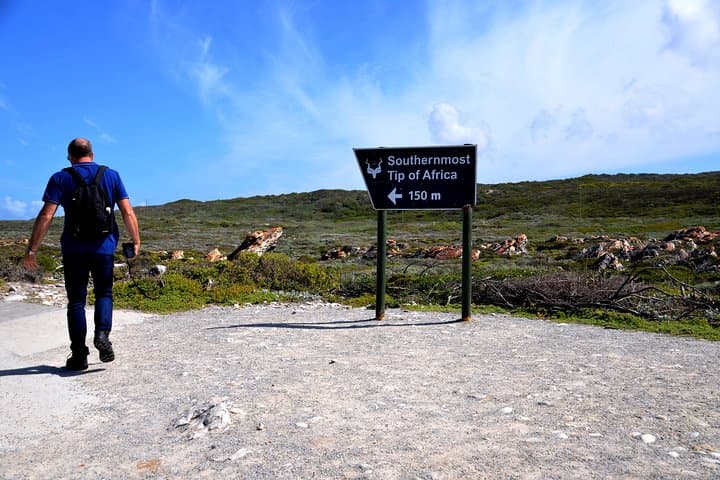
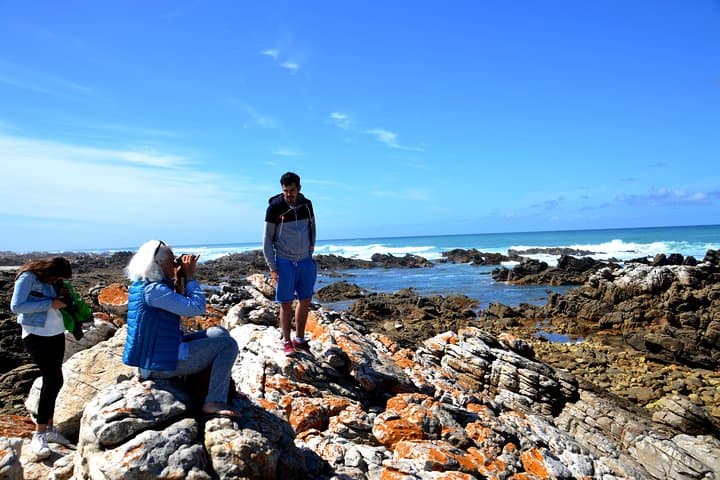


Wind off the Southern Ocean hits the salt-rimed rail of the Cape Agulhas lighthouse as the van slows into the gravel lot — you step out onto the official southern tip of Africa where the Indian and Atlantic Oceans formally meet.
Wind off the Southern Ocean hits the salt-rimed rail of the Cape Agulhas lighthouse as the van slows into the gravel lot — you step out onto the official southern tip of Africa where the Indian and Atlantic Oceans formally meet.
This day tour threads coastal roads and low limestone cliffs, stopping at a lighthouse built in 1849 and the striped survey marker that many pilgrims photograph. The shoreline here is shaped by mixed sandstone and shale, a seafloor lifted by ancient tectonics and carved by relentless swell; look for tidal pools and scattered shipwreck timbers that hint at centuries of maritime navigation.
Local culture is a coastal blend of fishing villages, Afrikaans farm towns, and a small but proud tourism scene selling local preserves and snoek tacos at roadside stalls. Nearby Hermanus and Struisbaai offer complementary whale- and sea-focused outings when in season.
Practical guidance: expect a full 9–10 hour day with several short walks over uneven, sometimes rocky terrain. Layers are essential — morning fog clears to sun in a few hours. Bring water, sun protection, and sturdy shoes for the lighthouse path and cliff edges. Wildlife sightings can include African penguins at nearby colonies and seasonal southern right whales offshore (best June–November).
Timing tip: arrive for the lighthouse mid-afternoon light for clearer photos and calmer winds. Be respectful at wildlife viewing spots; keep distance and follow guide instructions. The trip works well as a sober, full-day shore-to-shore introduction to the Cape’s less crowded coast.