THE ADVENTURE COLLECTIVE® · Independent discovery and booking for outdoor travel

Visit Africa's southernmost tip on a full-day tour that pairs mainland African penguins, cool-climate wine tasting, and the Cape Agulhas lighthouse. This long but accessible coastal route offers wildlife watching, short walks, and heritage villages away from heavier tourist routes.
Visit Africa's southernmost tip on a full-day tour that pairs mainland African penguins, cool-climate wine tasting, and the Cape Agulhas lighthouse. This long but accessible coastal route offers wildlife watching, short walks, and heritage villages away from heavier tourist routes.
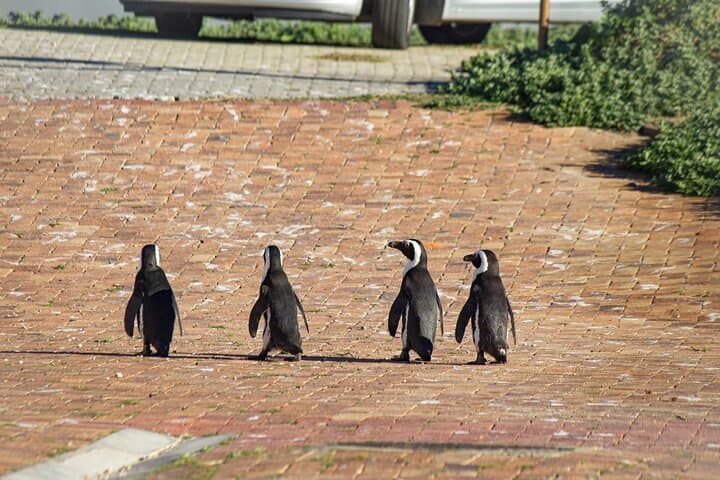
The tour begins on an open road south of Cape Town, the sea close enough to taste salt on the wind. Morning light finds a small colony of African penguins at Stony Point, wobbling between kelp and rock as the day's rhythm pulls visitors ashore to watch without disturbing. The route then climbs into Hemel-en-Aarde, where cool maritime air keeps vineyards brisk and the grape varieties crisp, before pausing for lunch and cliffside whale‑watching in Hermanus when the season is right.
Verified experiences and guided adventures in the surrounding area.
Operated by Cape Archives Tours · Cape Agulhas, Western Cape
The tour begins on an open road south of Cape Town, the sea close enough to taste salt on the wind. Morning light finds a small colony of African penguins at Stony Point, wobbling between kelp and rock as the day's rhythm pulls visitors ashore to watch without disturbing. The route then climbs into Hemel-en-Aarde, where cool maritime air keeps vineyards brisk and the grape varieties crisp, before pausing for lunch and cliffside whale‑watching in Hermanus when the season is right.
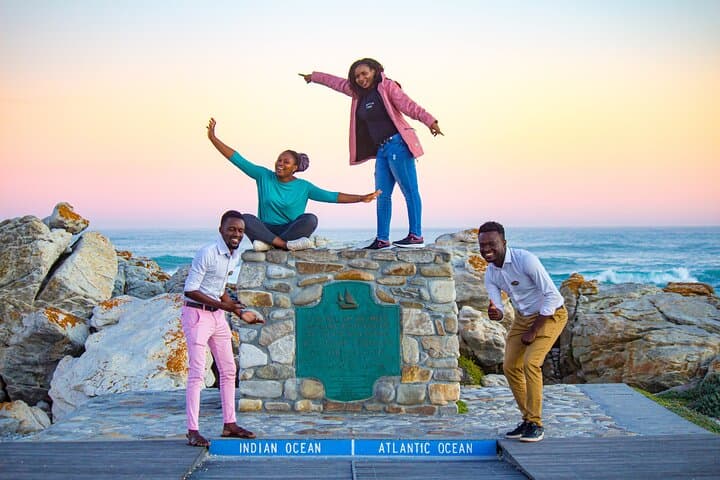
This coastal arc sits on old navigational routes; the Cape Agulhas lighthouse (mid-19th century) marked a dangerous junction where the Atlantic and Indian waters meet and where shipwrecks once littered the shoals. Geologically the cape is the exposed tip of the Agulhas Bank, backed by fynbos—an ancient floral kingdom with many endemic species. Elim's whitewashed Moravian cottages recall 1820s settlers, offering a rare, low‑tourism glimpse of rural Western Cape life.
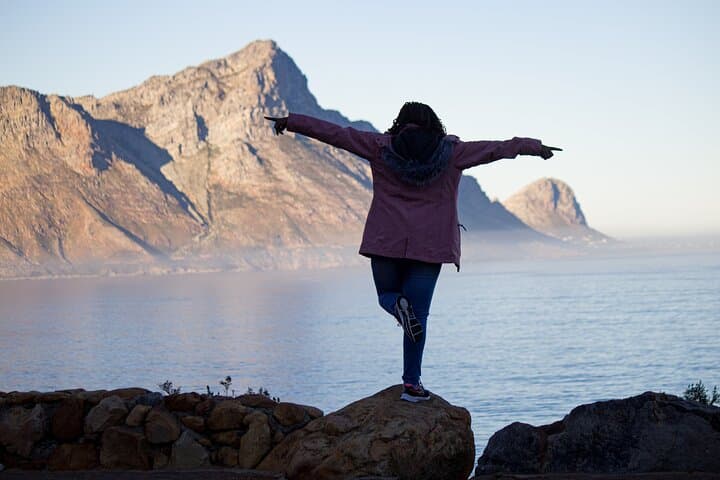
Expect a long but accessible day: mostly short walks, a lighthouse climb, coastal plains to explore, and seated wine tastings. Wear sturdy shoes for uneven paths, sun protection for exposed dunes and cliffs, and layers—coastal weather shifts quickly. Bring a camera with a telephoto for penguins and whales, and carry water; while the tour provides bottled water, coastal stretches have limited services.
Timing favors mornings for wildlife light and afternoons for golden views at the lighthouse. The experience balances natural spectacle with local culture, rewarding steady pacing over haste.
easy.
10–12 hours.
Suitable for most fitness levels; involves short walks on uneven ground and a climb up the lighthouse stairs.
Penguins are resident at Stony Point but wildlife is never guaranteed; sightings are very likely year‑round but can vary by weather and season.
The tour includes time at the Cape Agulhas lighthouse; climbing to the summit is possible but requires stair use—ask guides about alternative viewing for limited mobility.
Wine tasting fees are included per the itinerary; premium single-bottle purchases or extra tastings may be at your own cost.
Private door‑to‑door pickup is typically provided; confirm pickup point and time when booking.
Elim was established as a Moravian mission in 1824, and the Cape Agulhas lighthouse (mid-1800s) was built to warn ships off the treacherous Agulhas Bank.
The area supports vulnerable penguin colonies and rare fynbos species; visitors should keep to paths, avoid disturbing wildlife, and support local conservation efforts.
Cape Archives Tours operates guided outdoor trips and adventures with an emphasis on safety, stewardship, and memorable experiences.
The tour begins on an open road south of Cape Town, the sea close enough to taste salt on the wind. Morning light finds a small colony of African penguins at Stony Point, wobbling between kelp and rock as the day's rhythm pulls visitors ashore to watch without disturbing. The route then climbs into Hemel-en-Aarde, where cool maritime air keeps vineyards brisk and the grape varieties crisp, before pausing for lunch and cliffside whale‑watching in Hermanus when the season is right.
The tour begins on an open road south of Cape Town, the sea close enough to taste salt on the wind. Morning light finds a small colony of African penguins at Stony Point, wobbling between kelp and rock as the day's rhythm pulls visitors ashore to watch without disturbing. The route then climbs into Hemel-en-Aarde, where cool maritime air keeps vineyards brisk and the grape varieties crisp, before pausing for lunch and cliffside whale‑watching in Hermanus when the season is right.
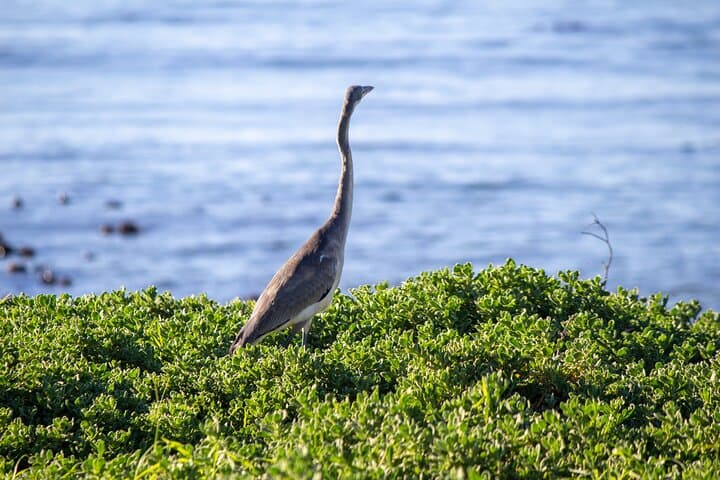
This coastal arc sits on old navigational routes; the Cape Agulhas lighthouse (mid-19th century) marked a dangerous junction where the Atlantic and Indian waters meet and where shipwrecks once littered the shoals. Geologically the cape is the exposed tip of the Agulhas Bank, backed by fynbos—an ancient floral kingdom with many endemic species. Elim's whitewashed Moravian cottages recall 1820s settlers, offering a rare, low‑tourism glimpse of rural Western Cape life.
Expect a long but accessible day: mostly short walks, a lighthouse climb, coastal plains to explore, and seated wine tastings. Wear sturdy shoes for uneven paths, sun protection for exposed dunes and cliffs, and layers—coastal weather shifts quickly. Bring a camera with a telephoto for penguins and whales, and carry water; while the tour provides bottled water, coastal stretches have limited services.
Timing favors mornings for wildlife light and afternoons for golden views at the lighthouse. The experience balances natural spectacle with local culture, rewarding steady pacing over haste.