THE ADVENTURE COLLECTIVE® · Independent discovery and booking for outdoor travel

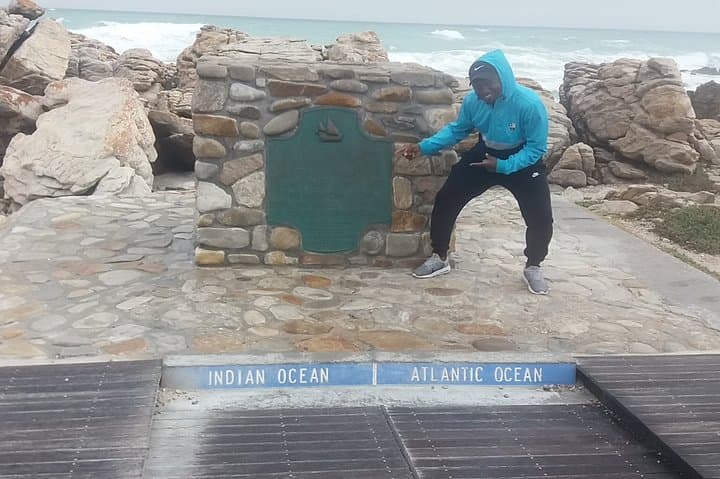
Drive south from Cape Town to the geographic tip of Africa and stand where the Atlantic and Indian Oceans are said to meet. This full-day tour blends coastal scenery, lighthouse history, seafood lunches, and short shoreline walks across diverse fynbos and reef habitats.
Drive south from Cape Town to the geographic tip of Africa and stand where the Atlantic and Indian Oceans are said to meet. This full-day tour blends coastal scenery, lighthouse history, seafood lunches, and short shoreline walks across diverse fynbos and reef habitats.
A pale wind runs along the low cliffs as the coach eases out of Cape Town and the landscape opens into broad fields and folded mountains. By midmorning the road drops toward the southern edge of Africa and, as the salt air thickens, the shoreline begins to change — long white sand, rocky reefs, and the squat red-and-white lighthouse standing like a compass point at the continent’s toe.
Verified experiences and guided adventures in the surrounding area.
Operated by Flamboyant Travel and Tours · L'Agulhas, Western Cape
A pale wind runs along the low cliffs as the coach eases out of Cape Town and the landscape opens into broad fields and folded mountains. By midmorning the road drops toward the southern edge of Africa and, as the salt air thickens, the shoreline begins to change — long white sand, rocky reefs, and the squat red-and-white lighthouse standing like a compass point at the continent’s toe.
This is Cape Agulhas: the geographic southern tip of Africa and the conventional dividing line between the Atlantic and Indian Oceans. Portuguese navigators noted the hazard of these reefs in the 1500s; the coast’s long history of shipwrecks is preserved in the Shipwreck Museum at nearby Bredasdorp. Geologically the coastline is carved from resistant Bokkeveld shale and quartzites; sand spits and tidal pools cradle marine life while the surrounding low hills host fragments of fynbos — a biodiversity hotspot.
Practically, a day trip from Cape Town runs about eight hours and mixes scenic driving, brief walks, a lighthouse visit and seafood stops in Struisbaai. Expect flat, sandy walking around the tip and short rocky sections near reefs; bring layered clothing for strong, changeable winds and sun protection during clear days. Timing matters: low tide and calm seas make the shoreline easiest to explore, and whale season brings a good chance of sightings offshore.
Plan for basic facilities at the village, modest museum hours, and a steady coastal wind that will push you toward the camera — and keep your jacket handy.
easy.
8 hours.
Light fitness required; comfortable with short flat or rocky walks up to an hour and getting on/off the vehicle.
The drive is roughly 170–180 km and takes about 3–3.5 hours each way by road depending on traffic and stops.
Cape Agulhas marks the geographic boundary; ocean currents (Benguela and Agulhas) converge offshore and the visible ‘meeting’ varies with winds and tides.
Yes — the historic Cape Agulhas Lighthouse has a small museum; check local opening times as hours can be seasonal and guided tours may apply.
Yes — shorebirds and seals are frequent; southern right whales are often visible in winter months (June–November) from vantage points on calm days.
Portuguese sailors charted the cape in 1500 and the shoreline’s treacherous reefs have caused hundreds of wrecks, documented in the Shipwreck Museum at Bredasdorp.
Agulhas National Park protects rare fynbos and coastal dunes; stay on paths, avoid trampling vegetation, and respect local fishing rules to minimize impact.
Flamboyant Travel and Tours operates guided outdoor trips and adventures with an emphasis on safety, stewardship, and memorable experiences.
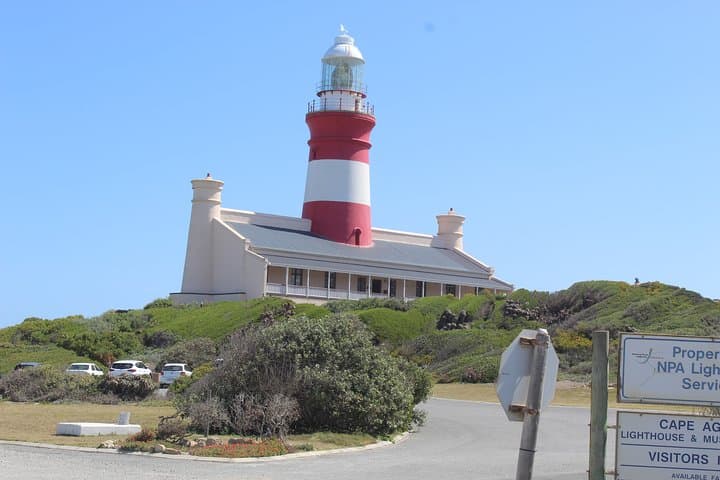


A pale wind runs along the low cliffs as the coach eases out of Cape Town and the landscape opens into broad fields and folded mountains. By midmorning the road drops toward the southern edge of Africa and, as the salt air thickens, the shoreline begins to change — long white sand, rocky reefs, and the squat red-and-white lighthouse standing like a compass point at the continent’s toe.
A pale wind runs along the low cliffs as the coach eases out of Cape Town and the landscape opens into broad fields and folded mountains. By midmorning the road drops toward the southern edge of Africa and, as the salt air thickens, the shoreline begins to change — long white sand, rocky reefs, and the squat red-and-white lighthouse standing like a compass point at the continent’s toe.
This is Cape Agulhas: the geographic southern tip of Africa and the conventional dividing line between the Atlantic and Indian Oceans. Portuguese navigators noted the hazard of these reefs in the 1500s; the coast’s long history of shipwrecks is preserved in the Shipwreck Museum at nearby Bredasdorp. Geologically the coastline is carved from resistant Bokkeveld shale and quartzites; sand spits and tidal pools cradle marine life while the surrounding low hills host fragments of fynbos — a biodiversity hotspot.
Practically, a day trip from Cape Town runs about eight hours and mixes scenic driving, brief walks, a lighthouse visit and seafood stops in Struisbaai. Expect flat, sandy walking around the tip and short rocky sections near reefs; bring layered clothing for strong, changeable winds and sun protection during clear days. Timing matters: low tide and calm seas make the shoreline easiest to explore, and whale season brings a good chance of sightings offshore.
Plan for basic facilities at the village, modest museum hours, and a steady coastal wind that will push you toward the camera — and keep your jacket handy.