THE ADVENTURE COLLECTIVE® · Independent discovery and booking for outdoor travel

Drive from Cape Town to Africa's southernmost point on an eight‑hour coastal tour that mixes rugged shoreline walks, lighthouse views and a fresh fish lunch. Perfect for a single-day escape with accessible options and clear logistics.
Drive from Cape Town to Africa's southernmost point on an eight‑hour coastal tour that mixes rugged shoreline walks, lighthouse views and a fresh fish lunch. Perfect for a single-day escape with accessible options and clear logistics.
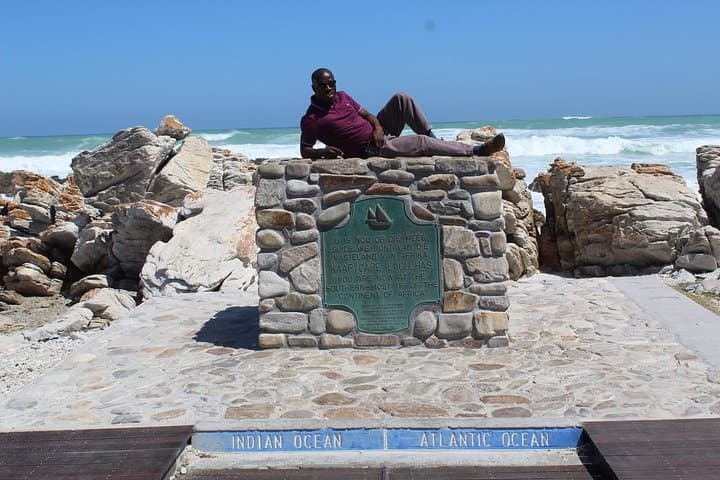
A cold wind from the southern ocean cuts across the bonnet as the minibus rounds the last headland and the spire of the lighthouse appears—plastered white against granite and sky. On arrival at Cape Agulhas, travelers stand where a map turns from Atlantic to Indian, where currents argue with one another and the coastline alternates between wind-polished rock and wide sand.
Verified experiences and guided adventures in the surrounding area.
Operated by Remigeous Tsuro · L'Agulhas, Western Cape
A cold wind from the southern ocean cuts across the bonnet as the minibus rounds the last headland and the spire of the lighthouse appears—plastered white against granite and sky. On arrival at Cape Agulhas, travelers stand where a map turns from Atlantic to Indian, where currents argue with one another and the coastline alternates between wind-polished rock and wide sand.
The route traces colonial-era towns with Dutch-influenced gables and clapboard façades, relics of settlement and maritime trade. Geologically the cape sits on the edge of the Agulhas Bank, an underwater shelf that makes these waters unusually productive; that’s why the area supports rich fisheries and a long local fishing culture. Small harbors like Struisbaai and L’Agulhas keep the day’s catch visibly close to the pan.
Expect short walks across uneven coastal rock and a climb to the lighthouse viewing platform for panoramic horizons. Guides typically arrange a seaside lunch of local fish—simple, fresh, and tied to the place. Wind, glare from the water, and sudden showers can change conditions fast; the cape is dramatic but uncompromising.
Practical notes: the tour is an 8‑hour round trip from Cape Town with several stops, so bring layered clothing, sun protection, and sturdy shoes for rocky shorelines. Mobility-accessible options are available on many operators, but ask ahead about vehicle specifics. Morning departures give the calmest light for photography; midday brings stronger winds and bigger surf. Hydrate, carry a small daypack, and set aside time at the lighthouse—this is where the continent ends and the open sea begins.
easy.
8 hours.
Low-impact day: suitable for most fitness levels with short onshore walks and minimal elevation change
The tour runs around eight hours round trip from Cape Town with roughly 2.5–3 hours driving each way depending on stops and traffic.
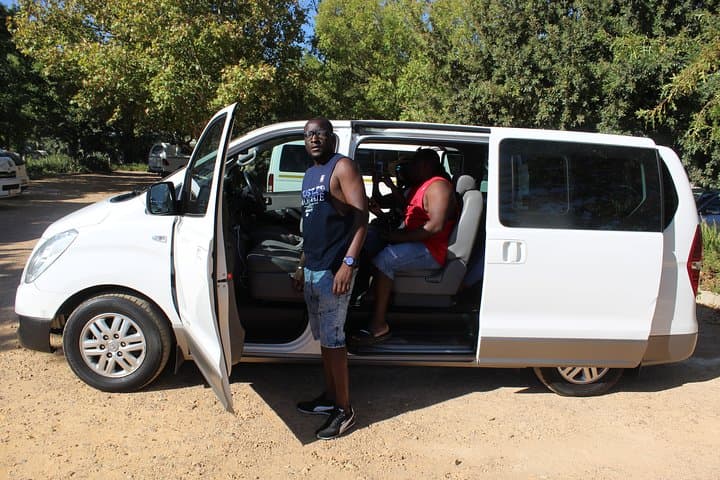
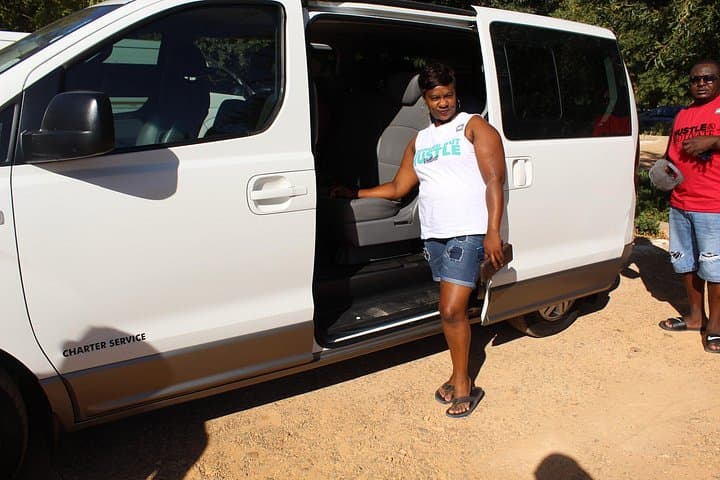
Many operators offer wheelchair-accessible vehicles and accessible stops, but confirm specific vehicle and pickup details when booking.
You may spot seabirds and, occasionally, dolphins or whales offshore (seasonal); sightings are not guaranteed and depend on conditions.
Most itineraries include a seaside lunch featuring locally caught fish or seafood—simple restaurant fare highlighting regional produce.
The cape has long been a navigational landmark for sailors; European settlement left distinctive Dutch colonial architecture in coastal towns along the route.
The Agulhas Bank is an ecologically rich area with fisheries management measures; stick to marked paths, avoid disturbing shorebird habitats, and support local catch-and-eat practices to reduce waste.
Remigeous Tsuro operates guided outdoor trips and adventures with an emphasis on safety, stewardship, and memorable experiences.

A cold wind from the southern ocean cuts across the bonnet as the minibus rounds the last headland and the spire of the lighthouse appears—plastered white against granite and sky. On arrival at Cape Agulhas, travelers stand where a map turns from Atlantic to Indian, where currents argue with one another and the coastline alternates between wind-polished rock and wide sand.
A cold wind from the southern ocean cuts across the bonnet as the minibus rounds the last headland and the spire of the lighthouse appears—plastered white against granite and sky. On arrival at Cape Agulhas, travelers stand where a map turns from Atlantic to Indian, where currents argue with one another and the coastline alternates between wind-polished rock and wide sand.
The route traces colonial-era towns with Dutch-influenced gables and clapboard façades, relics of settlement and maritime trade. Geologically the cape sits on the edge of the Agulhas Bank, an underwater shelf that makes these waters unusually productive; that’s why the area supports rich fisheries and a long local fishing culture. Small harbors like Struisbaai and L’Agulhas keep the day’s catch visibly close to the pan.
Expect short walks across uneven coastal rock and a climb to the lighthouse viewing platform for panoramic horizons. Guides typically arrange a seaside lunch of local fish—simple, fresh, and tied to the place. Wind, glare from the water, and sudden showers can change conditions fast; the cape is dramatic but uncompromising.
Practical notes: the tour is an 8‑hour round trip from Cape Town with several stops, so bring layered clothing, sun protection, and sturdy shoes for rocky shorelines. Mobility-accessible options are available on many operators, but ask ahead about vehicle specifics. Morning departures give the calmest light for photography; midday brings stronger winds and bigger surf. Hydrate, carry a small daypack, and set aside time at the lighthouse—this is where the continent ends and the open sea begins.