THE ADVENTURE COLLECTIVE® · Independent discovery and booking for outdoor travel

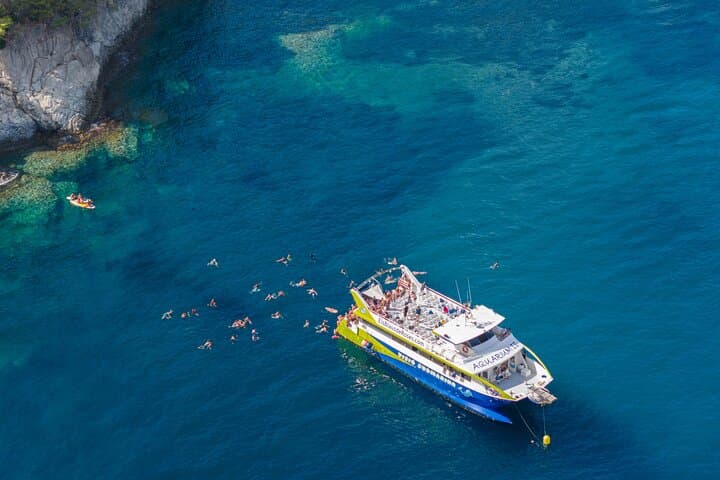
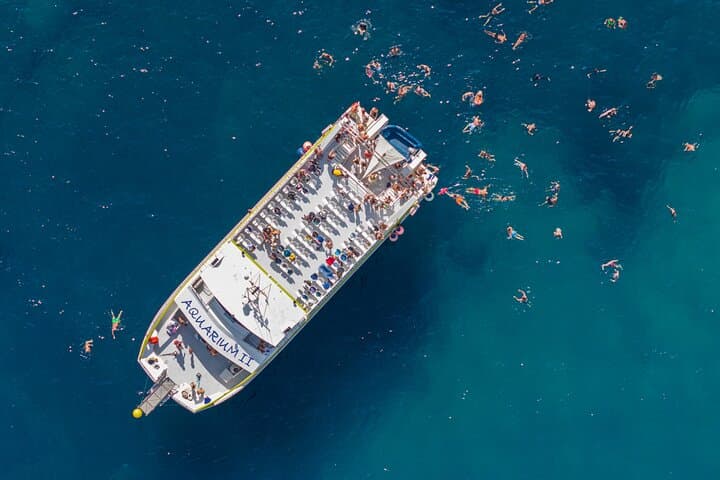
Board a catamaran from Roses for submarine viewing pods, a swim in Cala Murtra, and coastal geology at Cap Norfeu. This 2.5‑hour outing pairs easy ocean access with protected marine scenery—ideal for families and first‑time snorkelers.
Board a catamaran from Roses for submarine viewing pods, a swim in Cala Murtra, and coastal geology at Cap Norfeu. This 2.5‑hour outing pairs easy ocean access with protected marine scenery—ideal for families and first‑time snorkelers.
The catamaran slips away from the Roses promenade and the town shrinks into white roofs and bobbing buoys. Sea spray nudges your cheeks; beneath the glass viewing pods a tableau of rock, Posidonia meadows and darting fish scrolls by like a living map. At Cala Murtra the captain eases the engines and the sub‑vision pods become aquarium windows — a shallow reef museum where olive‑green algae and sculpted rock faces frame small schools of fish.
Verified experiences and guided adventures in the surrounding area.
Operated by Els Blaus de Roses · Roses, Girona
The catamaran slips away from the Roses promenade and the town shrinks into white roofs and bobbing buoys. Sea spray nudges your cheeks; beneath the glass viewing pods a tableau of rock, Posidonia meadows and darting fish scrolls by like a living map. At Cala Murtra the captain eases the engines and the sub‑vision pods become aquarium windows — a shallow reef museum where olive‑green algae and sculpted rock faces frame small schools of fish.
This stretch belongs to the Cap de Creus Natural Park, a coastline carved by Tramuntana winds and ancient granite pushed up by tectonic forces. Fishermen once read these currents like pages; today the reserve protects soft corals, Posidonia seagrass and the birds that hunt over the surf. Nearby formations such as the Roca del Gat show the slow geometry of erosion, while local villages still echo a maritime culture — nets, lighthouses and Salvador Dalí’s frequent references to the fierce, open light of the Cap de Creus.
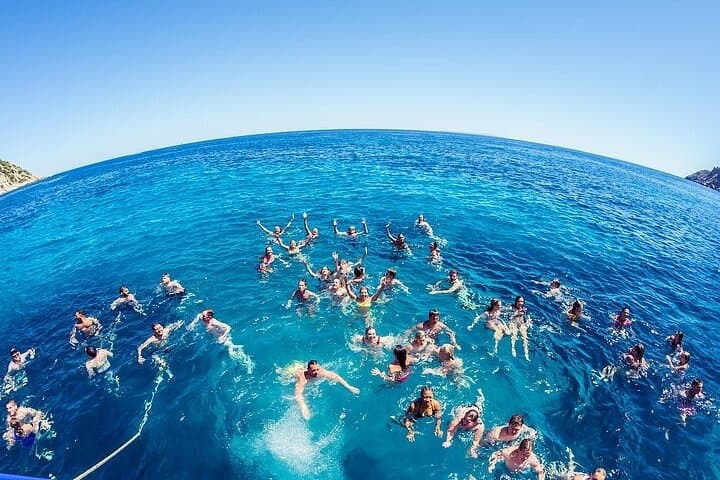
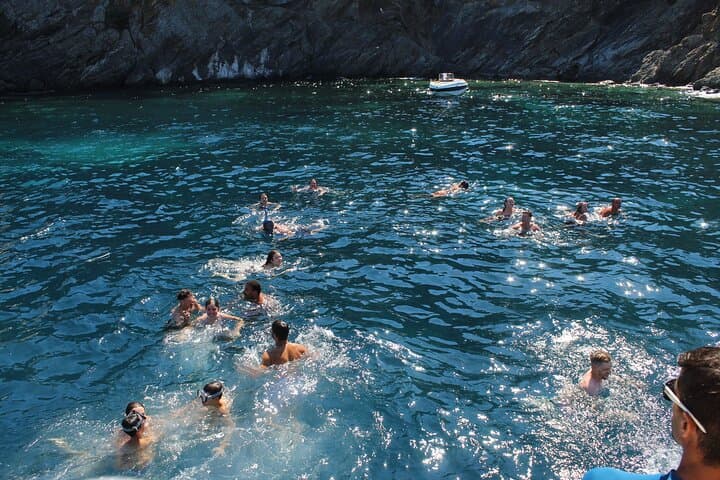
Practicalities are simple: the tour lasts about 2.5 hours, departs from Roses’ main quay, and combines onboard viewing with a supervised 30‑minute swim in turquoise water. Expect easy sea conditions most of the season but bring reef shoes for rocky entries, a mask if you prefer your own optics, and a light wind layer for the return. Respect the marine reserve: avoid touching the seabed, take any trash back on board, and follow crew instructions for safe entry and exit. The trip is straightforward, vividly marine, and an efficient way to meet the wild, clear water of the Costa Brava.
easy.
2–3 hours.
Suitable for most fitness levels; participants should be able to clamber down a boat ladder and swim 30 minutes in calm sea.
Departure is from the Roses promenade/harbour near Hotel Victoria and the ticket kiosk by Hotel Mar y Sol; the boat returns to the same quay.
The swim is supervised but requires basic water comfort; life jackets are typically available—check with the operator for child provisions.
Yes — bringing a personal mask/snorkel improves comfort and hygiene; operators usually provide communal equipment if needed.
The operator cancels for high winds or unsafe sea conditions with a full refund if cancelled at least 24 hours before departure.
The Cap de Creus coastline has long been read by fishermen and sailors; granite outcrops and wind‑cut cliffs shaped local navigation and inspired artists like Salvador Dalí.
This area is part of a marine and terrestrial reserve — anchoring and fishing are regulated to protect Posidonia meadows and reef life; visitors should avoid touching the seabed and take waste ashore.
Els Blaus de Roses operates guided outdoor trips and adventures with an emphasis on safety, stewardship, and memorable experiences.
The catamaran slips away from the Roses promenade and the town shrinks into white roofs and bobbing buoys. Sea spray nudges your cheeks; beneath the glass viewing pods a tableau of rock, Posidonia meadows and darting fish scrolls by like a living map. At Cala Murtra the captain eases the engines and the sub‑vision pods become aquarium windows — a shallow reef museum where olive‑green algae and sculpted rock faces frame small schools of fish.
The catamaran slips away from the Roses promenade and the town shrinks into white roofs and bobbing buoys. Sea spray nudges your cheeks; beneath the glass viewing pods a tableau of rock, Posidonia meadows and darting fish scrolls by like a living map. At Cala Murtra the captain eases the engines and the sub‑vision pods become aquarium windows — a shallow reef museum where olive‑green algae and sculpted rock faces frame small schools of fish.
This stretch belongs to the Cap de Creus Natural Park, a coastline carved by Tramuntana winds and ancient granite pushed up by tectonic forces. Fishermen once read these currents like pages; today the reserve protects soft corals, Posidonia seagrass and the birds that hunt over the surf. Nearby formations such as the Roca del Gat show the slow geometry of erosion, while local villages still echo a maritime culture — nets, lighthouses and Salvador Dalí’s frequent references to the fierce, open light of the Cap de Creus.
Practicalities are simple: the tour lasts about 2.5 hours, departs from Roses’ main quay, and combines onboard viewing with a supervised 30‑minute swim in turquoise water. Expect easy sea conditions most of the season but bring reef shoes for rocky entries, a mask if you prefer your own optics, and a light wind layer for the return. Respect the marine reserve: avoid touching the seabed, take any trash back on board, and follow crew instructions for safe entry and exit. The trip is straightforward, vividly marine, and an efficient way to meet the wild, clear water of the Costa Brava.