THE ADVENTURE COLLECTIVE® · Independent discovery and booking for outdoor travel

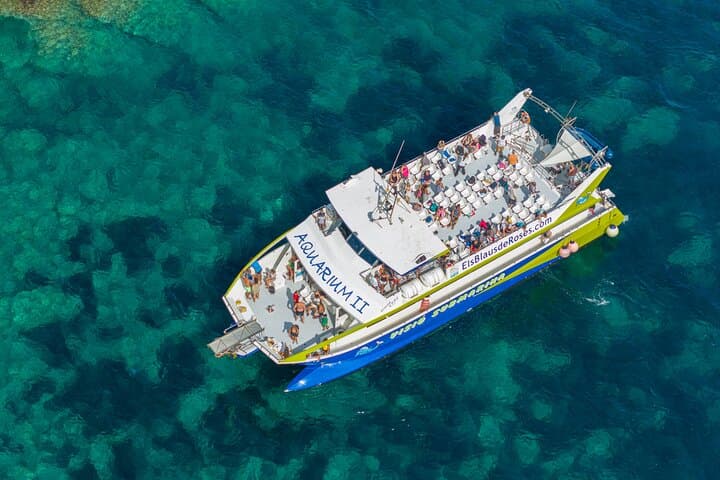
Glide from Roses into the wild eastern edge of the Iberian Peninsula aboard a catamaran that combines an underwater viewing chamber with a swim stop in crystalline coves. Explore sea caves, Dalí-country coastline and Posidonia meadows in one 4-hour outing.
Glide from Roses into the wild eastern edge of the Iberian Peninsula aboard a catamaran that combines an underwater viewing chamber with a swim stop in crystalline coves. Explore sea caves, Dalí-country coastline and Posidonia meadows in one 4-hour outing.
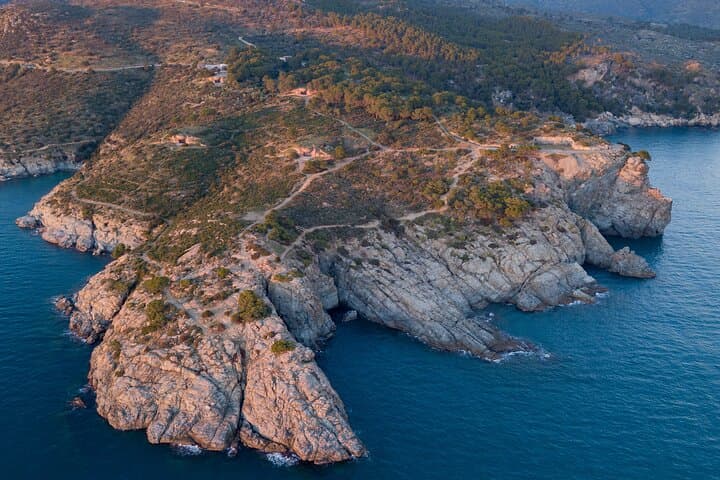
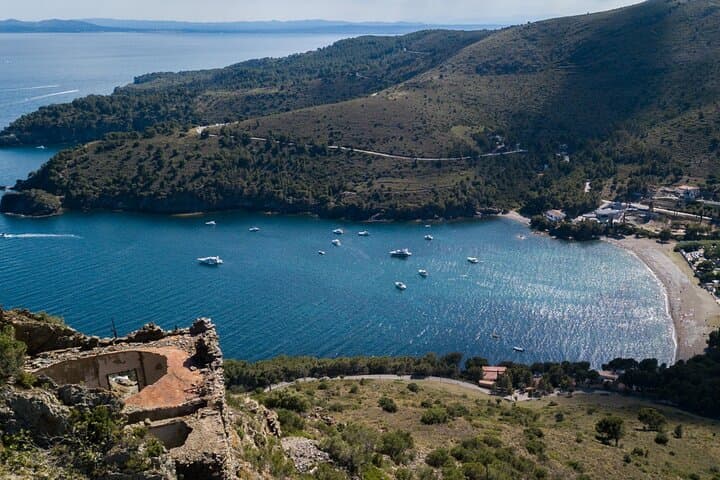
The catamaran slips away from Roses with a clean, Atlantic-bright horizon ahead and the wind from the Tramuntana pressing the bow—Cap de Creus appears as a stretch of raw coastline, wind-sculpted rocks and blue coves daring you closer.
Verified experiences and guided adventures in the surrounding area.
Operated by Els Blaus de Roses · Roses, Catalonia
The catamaran slips away from Roses with a clean, Atlantic-bright horizon ahead and the wind from the Tramuntana pressing the bow—Cap de Creus appears as a stretch of raw coastline, wind-sculpted rocks and blue coves daring you closer.
This four-hour outing follows the jagged eastern spine of the Iberian Peninsula through the protected waters of Cap de Creus Natural Park. The geology here is ancient schist and granite, scoured by sea and wind into caves and sculpted stacks; local fishermen and Dalí-era artists long admired the abrupt contrast between sea and rock. You’ll pass Portlligat and Cadaqués—places with a strong fishing culture and a surrealist legacy thanks to Salvador Dalí—before the captain anchors in a sheltered cove for “super visión submarina,” a lowered viewing chamber that reveals seabeds of Posidonia meadows and colorful reef fish.
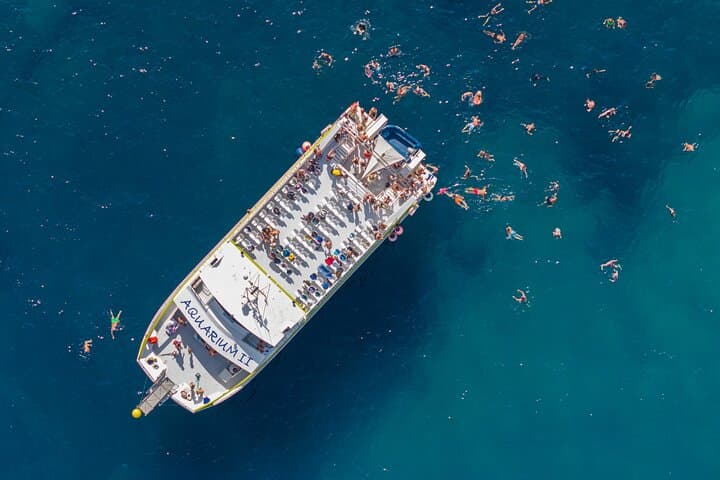
After the underwater viewing the boat moves to a buoy at Cala Rustella for a swim: jump platforms, natural slides and clear water where currents are usually gentle in summer but can pick up in shoulder seasons. The route also skirts famed formations like the so-called Gato rock and several sea caves; bring a camera with a good strap.
Practical notes: meet in Roses harbor 30 minutes before departure, bring sun protection, a towel and reef shoes for rocky entries. The operator provides multilingual audio guidance and the trip is rated easy—suitable for anyone comfortable getting in the water. Weather and wind can cancel trips; check forecasts and plan a flexible morning to avoid Tramuntana gusts.
easy.
4 hours.
Suitable for most fitness levels; participants should be able to enter and exit the water and climb a boat ladder.
No—swimming is optional, but if you plan to enter the water you should be comfortable in open water and able to climb the ladder back onto the boat.
Most departures leave from Roses harbor; arrive about 30 minutes early to check in and attend the safety briefing.
Yes; the underwater vision chamber is family-friendly, but children should be supervised and follow crew instructions during boarding and swim stops.
Trips may be cancelled or rerouted for safety in strong Tramuntana; operators typically notify guests and offer refunds if cancelled 24 hours before departure.
The coast around Cadaqués and Portlligat has a mixed history of fishing, small-scale salt trade and a 20th-century artistic community centered on Salvador Dalí.
Cap de Creus is a designated natural park with protected marine habitats; avoid touching Posidonia meadows and follow crew instructions to minimize impact.
Els Blaus de Roses operates guided outdoor trips and adventures with an emphasis on safety, stewardship, and memorable experiences.
The catamaran slips away from Roses with a clean, Atlantic-bright horizon ahead and the wind from the Tramuntana pressing the bow—Cap de Creus appears as a stretch of raw coastline, wind-sculpted rocks and blue coves daring you closer.
The catamaran slips away from Roses with a clean, Atlantic-bright horizon ahead and the wind from the Tramuntana pressing the bow—Cap de Creus appears as a stretch of raw coastline, wind-sculpted rocks and blue coves daring you closer.
This four-hour outing follows the jagged eastern spine of the Iberian Peninsula through the protected waters of Cap de Creus Natural Park. The geology here is ancient schist and granite, scoured by sea and wind into caves and sculpted stacks; local fishermen and Dalí-era artists long admired the abrupt contrast between sea and rock. You’ll pass Portlligat and Cadaqués—places with a strong fishing culture and a surrealist legacy thanks to Salvador Dalí—before the captain anchors in a sheltered cove for “super visión submarina,” a lowered viewing chamber that reveals seabeds of Posidonia meadows and colorful reef fish.
After the underwater viewing the boat moves to a buoy at Cala Rustella for a swim: jump platforms, natural slides and clear water where currents are usually gentle in summer but can pick up in shoulder seasons. The route also skirts famed formations like the so-called Gato rock and several sea caves; bring a camera with a good strap.
Practical notes: meet in Roses harbor 30 minutes before departure, bring sun protection, a towel and reef shoes for rocky entries. The operator provides multilingual audio guidance and the trip is rated easy—suitable for anyone comfortable getting in the water. Weather and wind can cancel trips; check forecasts and plan a flexible morning to avoid Tramuntana gusts.