THE ADVENTURE COLLECTIVE® · Independent discovery and booking for outdoor travel

A compact three-day circuit from Cao Bang city that pairs Ban Gioc’s thunderous falls with Pac Bo’s historic cave, high mountain passes, and homestay nights in ethnic villages. Ideal for travelers who want dramatic scenery and cultural contact without technical climbing.
A compact three-day circuit from Cao Bang city that pairs Ban Gioc’s thunderous falls with Pac Bo’s historic cave, high mountain passes, and homestay nights in ethnic villages. Ideal for travelers who want dramatic scenery and cultural contact without technical climbing.
You step off the bus before dawn and the air tastes of river mist and wet earth — limestone ridges cut the skyline into jagged teeth as a distant roar promises the day’s highlight. Over three days this circuit moves from winding mountain passes to bamboo groves, through villages where stilt houses open onto terraced fields and the Quay Son river threads the valley.
Verified experiences and guided adventures in the surrounding area.
Operated by LOCAL TOURS VIETNAM · Cao Bang, Cao Bang Province
You step off the bus before dawn and the air tastes of river mist and wet earth — limestone ridges cut the skyline into jagged teeth as a distant roar promises the day’s highlight. Over three days this circuit moves from winding mountain passes to bamboo groves, through villages where stilt houses open onto terraced fields and the Quay Son river threads the valley.
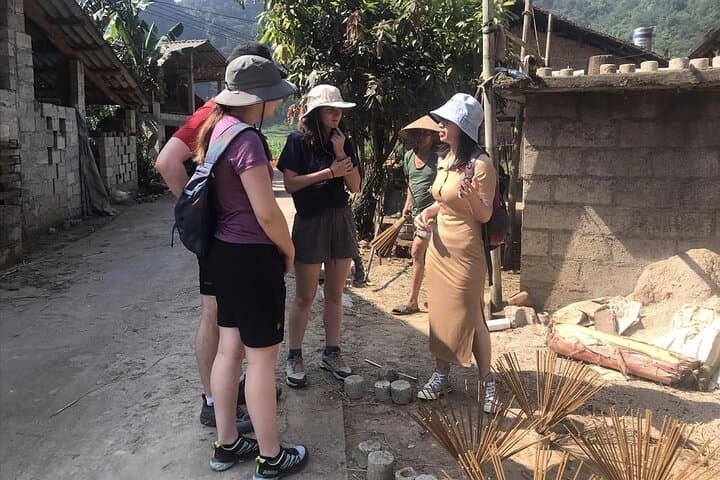
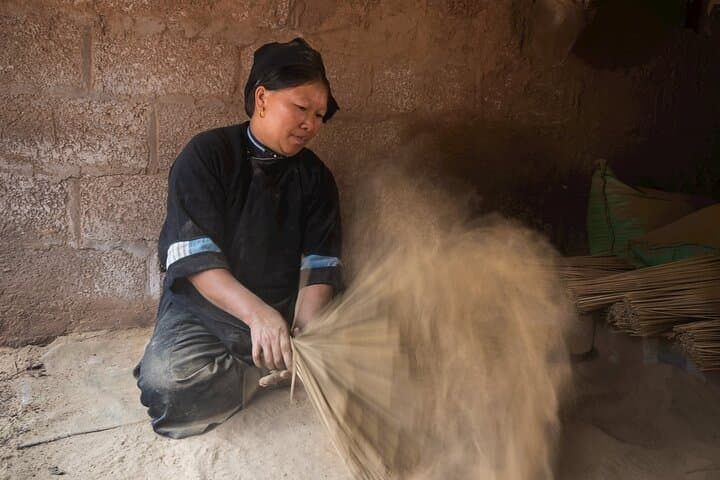
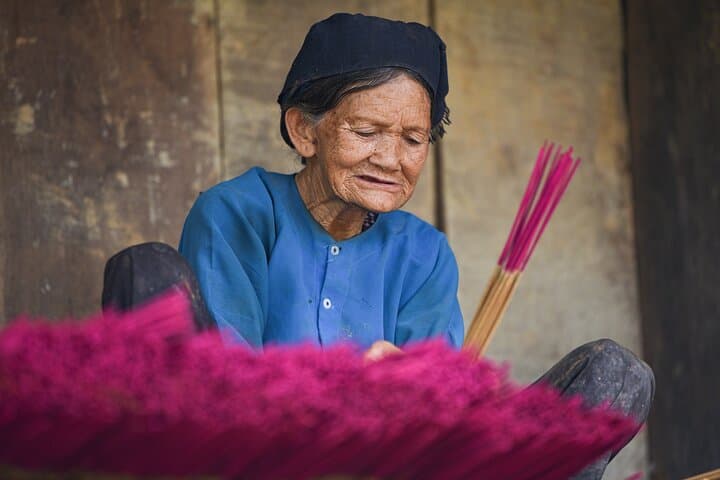
The route follows a borderland shaped by geology and history: towering karst walls carved by millennia of water, caves that collect slow dripping mineral time, and Pac Bo — the cave and stream where Ho Chi Minh returned in 1941, now a quiet historical site. Culture here is layered: Tay and Nung communities farm on steep slopes, grow glutinous rice and hemp, and maintain festivals and handicrafts visible in local markets.
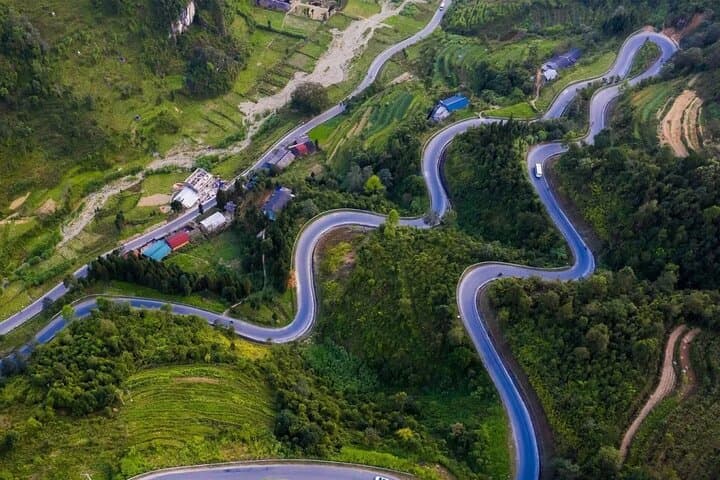
Expect carved limestone cliffs, broad waterfalls that drop in sheets at Ban Gioc, tight cave passages at Nguom Ngao, and serpentine passes like Me Pia that feel engineered for motorcycles and panoramic stops. Days are active but not technical — most walking is on well-worn paths, village lanes, and steps into caves.
Practical notes: travel is by van and sleeper bus from Hanoi, with two homestay nights; bring sturdy shoes for slippery trails, a lightweight rain shell for sudden showers, and cash — ATMs are limited. Plan slower mornings to soak the views; pack a headlamp for cave access; and respect local customs when photographing people. This is a logistical, sensory trip — one that rewards patience and preparation with expansive, little-visited northern Vietnamese landscapes.
easy.
3 days.
Suitable for travelers with basic mobility; involves short hikes, cave steps, and periods of sitting on buses or in vans.
Yes — Ban Gioc is on the China–Vietnam border; while the main Vietnamese viewing areas don’t require crossing, carry your passport when traveling near border checkpoints or if planning to cross for specific tours.
The tour is designed for general fitness: days include short walks, stairs into caves, and standing at viewpoints rather than long technical hikes.
Homestays are basic but clean, offering local meals and a cultural experience; expect simple beds, shared bathrooms, and warm hospitality.
Vietnamese đồng is required for most purchases; some places may accept cards in Cao Bang city, but villages rely on cash.
Pac Bo cave and stream are historically significant as the base where Ho Chi Minh organized early resistance after his return in 1941; the area blends revolutionary history with rural life.
The karst and river systems are sensitive to erosion and litter; support community homestays, avoid single-use plastics, and stay on established paths to reduce impact.
LOCAL TOURS VIETNAM operates guided outdoor trips and adventures with an emphasis on safety, stewardship, and memorable experiences.
You step off the bus before dawn and the air tastes of river mist and wet earth — limestone ridges cut the skyline into jagged teeth as a distant roar promises the day’s highlight. Over three days this circuit moves from winding mountain passes to bamboo groves, through villages where stilt houses open onto terraced fields and the Quay Son river threads the valley.
You step off the bus before dawn and the air tastes of river mist and wet earth — limestone ridges cut the skyline into jagged teeth as a distant roar promises the day’s highlight. Over three days this circuit moves from winding mountain passes to bamboo groves, through villages where stilt houses open onto terraced fields and the Quay Son river threads the valley.
The route follows a borderland shaped by geology and history: towering karst walls carved by millennia of water, caves that collect slow dripping mineral time, and Pac Bo — the cave and stream where Ho Chi Minh returned in 1941, now a quiet historical site. Culture here is layered: Tay and Nung communities farm on steep slopes, grow glutinous rice and hemp, and maintain festivals and handicrafts visible in local markets.
Expect carved limestone cliffs, broad waterfalls that drop in sheets at Ban Gioc, tight cave passages at Nguom Ngao, and serpentine passes like Me Pia that feel engineered for motorcycles and panoramic stops. Days are active but not technical — most walking is on well-worn paths, village lanes, and steps into caves.
Practical notes: travel is by van and sleeper bus from Hanoi, with two homestay nights; bring sturdy shoes for slippery trails, a lightweight rain shell for sudden showers, and cash — ATMs are limited. Plan slower mornings to soak the views; pack a headlamp for cave access; and respect local customs when photographing people. This is a logistical, sensory trip — one that rewards patience and preparation with expansive, little-visited northern Vietnamese landscapes.