THE ADVENTURE COLLECTIVE® · Independent discovery and booking for outdoor travel

Follow rivers and karst ridges from Pac Bo’s historic stream to the thunder of Ban Gioc and the calm of Ba Be Lake on this 4-day northern Vietnam loop. Expect homestays, cave visits, and long scenic transfers.
Follow rivers and karst ridges from Pac Bo’s historic stream to the thunder of Ban Gioc and the calm of Ba Be Lake on this 4-day northern Vietnam loop. Expect homestays, cave visits, and long scenic transfers.
The bus hums away from Hanoi and the lowlands peel back into a landscape of limestone teeth and folded ridges; by afternoon you’re tracking a river that seems to dare you to follow it upstream. Over four days this journey moves from Pac Bo’s quiet stream and revolutionary caves to the thunder of Ban Gioc and the glassy expanse of Ba Be Lake — each place changing the rhythm of the trip.
Verified experiences and guided adventures in the surrounding area.
Operated by Authenitc Travel DA NANG · Cao Bang, Cao Bang Province
The bus hums away from Hanoi and the lowlands peel back into a landscape of limestone teeth and folded ridges; by afternoon you’re tracking a river that seems to dare you to follow it upstream. Over four days this journey moves from Pac Bo’s quiet stream and revolutionary caves to the thunder of Ban Gioc and the glassy expanse of Ba Be Lake — each place changing the rhythm of the trip.
Cao Bang is geologically young in its erosional drama: karst towers carved by rain and time, caves threaded through soluble limestone, and rivers that mark the border with China. Pac Bo carries modern Vietnamese history — Ho Chi Minh’s wartime camp sits beside a clear brook — while Nguom Ngao cave shows stalactites formed over millennia. Ban Gioc’s multi-tiered drops remain among Asia’s most photogenic falls, and Ba Be is Vietnam’s largest natural freshwater lake set in a national park woven with ethnic Tay and H’mong villages.
Expect long transfers (several 3–6 hour road segments), short guided walks, homestays on stilts, and optional boat time on Ba Be. Terrain ranges from paved highways to uneven village tracks and wet rock near cascades; waterproof shoes and a steady step are useful. Timing matters: early mornings bring mist and calmer light at the falls; mid-afternoon can be humid with sudden showers.
Practical notes: carry local currency for small purchases, bring modest clothing for temple visits, and pack layers for cool nights in homestays. The route balances cultural contact with outdoor time — a compact, tangible way to experience Vietnam’s northern highlands.
easy.
4 days.
Suitable for travelers in average fitness: able to manage short hikes (1–3 hours), stairs in caves, and multiple short walks from homestays.
Expect multiple transfers of 3–6 hours between Hanoi, Cao Bang, Ban Gioc and Ba Be; most days combine driving with short walks and site visits.
Homestays are basic Tay-style stilt houses offering local meals and shared facilities — comfortable for travelers who expect rustic, authentic lodging.
Boat options to explore Ba Be are typically optional or self-pay; check your booking for included activities and prepare small cash if you plan to take a boat trip.
The tour is listed as suitable for most fitness levels but is not recommended for travelers with serious heart, spinal, or pregnancy-related conditions due to uneven ground and cave steps.
Pac Bo is historically significant as the location where Ho Chi Minh returned in 1941 and established a revolutionary base; the region also preserves long-standing Tay and H’mong cultural traditions.
Ba Be National Park is protected for its freshwater ecosystems and endemic species; visitors should stick to marked paths, avoid littering, and minimize plastic waste.
Authenitc Travel DA NANG operates guided outdoor trips and adventures with an emphasis on safety, stewardship, and memorable experiences.
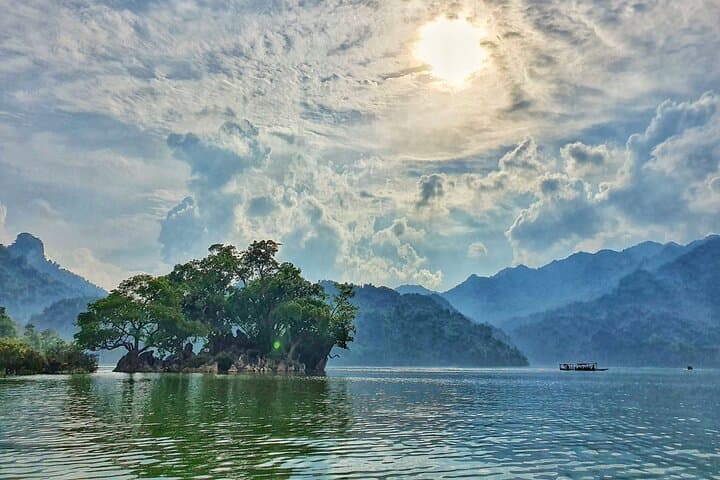
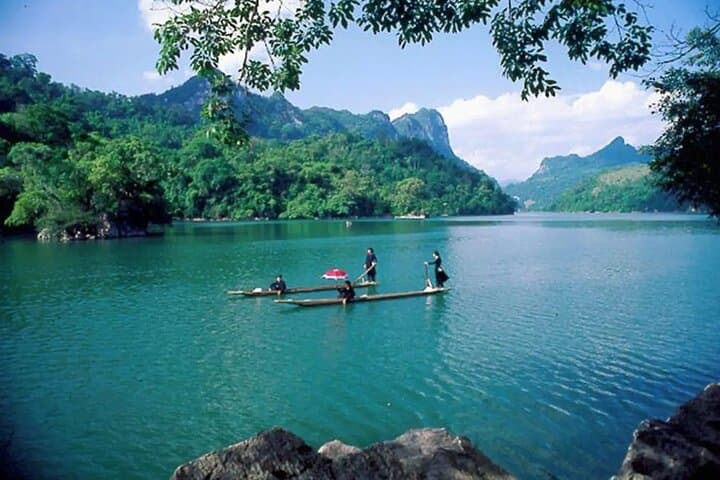
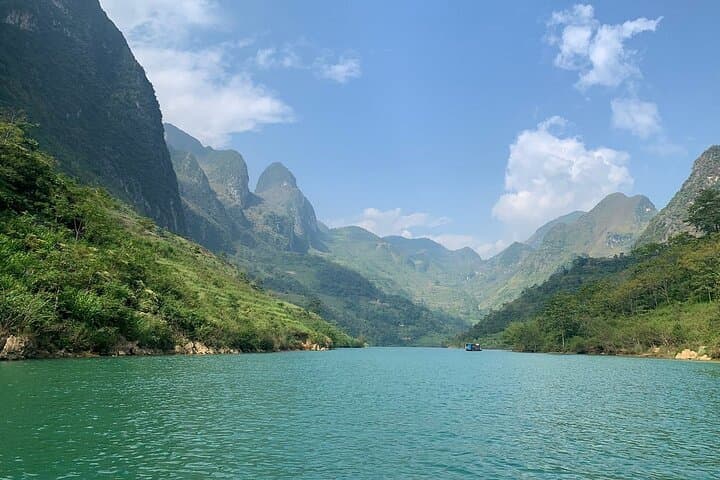
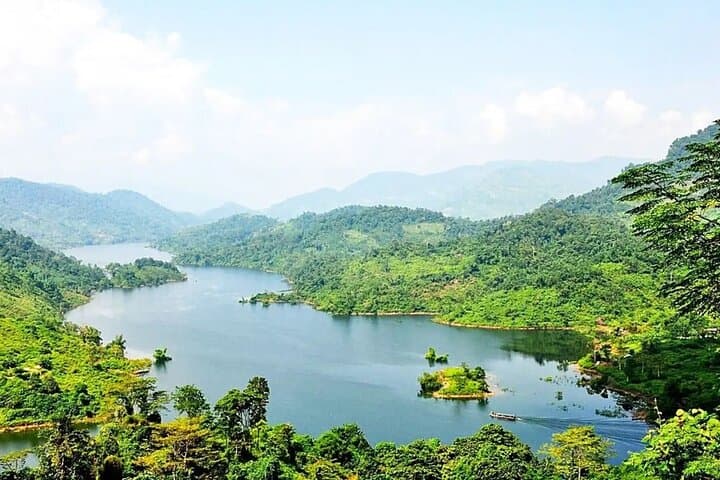
The bus hums away from Hanoi and the lowlands peel back into a landscape of limestone teeth and folded ridges; by afternoon you’re tracking a river that seems to dare you to follow it upstream. Over four days this journey moves from Pac Bo’s quiet stream and revolutionary caves to the thunder of Ban Gioc and the glassy expanse of Ba Be Lake — each place changing the rhythm of the trip.
The bus hums away from Hanoi and the lowlands peel back into a landscape of limestone teeth and folded ridges; by afternoon you’re tracking a river that seems to dare you to follow it upstream. Over four days this journey moves from Pac Bo’s quiet stream and revolutionary caves to the thunder of Ban Gioc and the glassy expanse of Ba Be Lake — each place changing the rhythm of the trip.
Cao Bang is geologically young in its erosional drama: karst towers carved by rain and time, caves threaded through soluble limestone, and rivers that mark the border with China. Pac Bo carries modern Vietnamese history — Ho Chi Minh’s wartime camp sits beside a clear brook — while Nguom Ngao cave shows stalactites formed over millennia. Ban Gioc’s multi-tiered drops remain among Asia’s most photogenic falls, and Ba Be is Vietnam’s largest natural freshwater lake set in a national park woven with ethnic Tay and H’mong villages.
Expect long transfers (several 3–6 hour road segments), short guided walks, homestays on stilts, and optional boat time on Ba Be. Terrain ranges from paved highways to uneven village tracks and wet rock near cascades; waterproof shoes and a steady step are useful. Timing matters: early mornings bring mist and calmer light at the falls; mid-afternoon can be humid with sudden showers.
Practical notes: carry local currency for small purchases, bring modest clothing for temple visits, and pack layers for cool nights in homestays. The route balances cultural contact with outdoor time — a compact, tangible way to experience Vietnam’s northern highlands.